Mapping The Neighbourhood | Map 7
We explore how contemporary art galleries across the international art world are shaped by the environments and cultural contexts that surround them.
Across the globe, contemporary art galleries operate with unique perspectives and practices. However, these points of production, thought and exchange are informed by the environments which surround these gallery spaces.
In their pursuits to support artists and creative communities, galleries are products of their social and geographic contexts, and their immediate surroundings offer meaningful contributions to the powerful work they conduct and the artists they exhibit. From offering a moment of quiet respite within a bustling city centre, to a gallery drawing from its roots in a particularly historic building, to a space operating as an active member of an established artistic community, we highlight a selection of contemporary art galleries within the global discourse, and navigate the surrounding cities and districts which inform our global art ecosystem.
This month, we’re focusing on Lemkus Gallery (Cape Town, South Africa), Everyday Lusaka (Lusaka, Zambia), Namuso Gallery (The Hague, Netherlands), RESERVOIR (Cape Town, South Africa), Galeria NÉBOA (Lugo, Spain).
Lemkus Gallery
Cape Town, South Africa
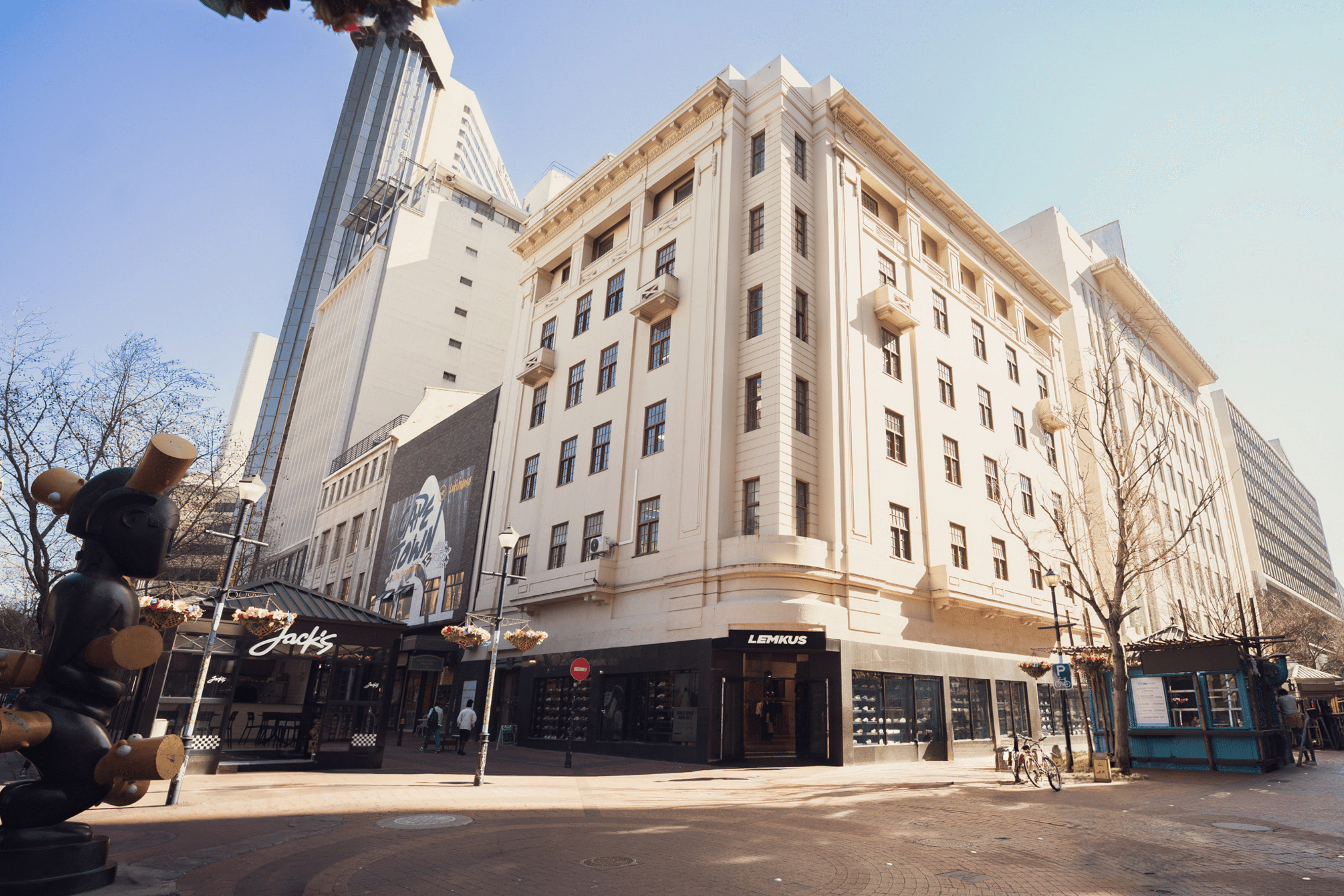
Lemkus Gallery is found in the pedestrian area of St George's Mall in Cape Town. Image courtesy of Lemkus Gallery.
Located in an original Art Deco building in Cape Town’s largest pedestrian zone, Lemkus Gallery is an emerging project-based gallery which focuses on residencies and collaborative exhibitions.
From its urban location, the gallery’s spirit of collaborative inquiry reflects both in the work it conducts, as well as the nature of its home ground, the Lemkus Exchange Building, which naturally encourages sharing amongst the flagship retail store, workspaces, photography studio, gallery and artist studios also found within it.
Similarly, the gallery’s arrival into the city’s contemporary art community occurred with the launch of its long-term residency model, residency28, supporting early- to mid-career artists and experimental, ideas-driven production.
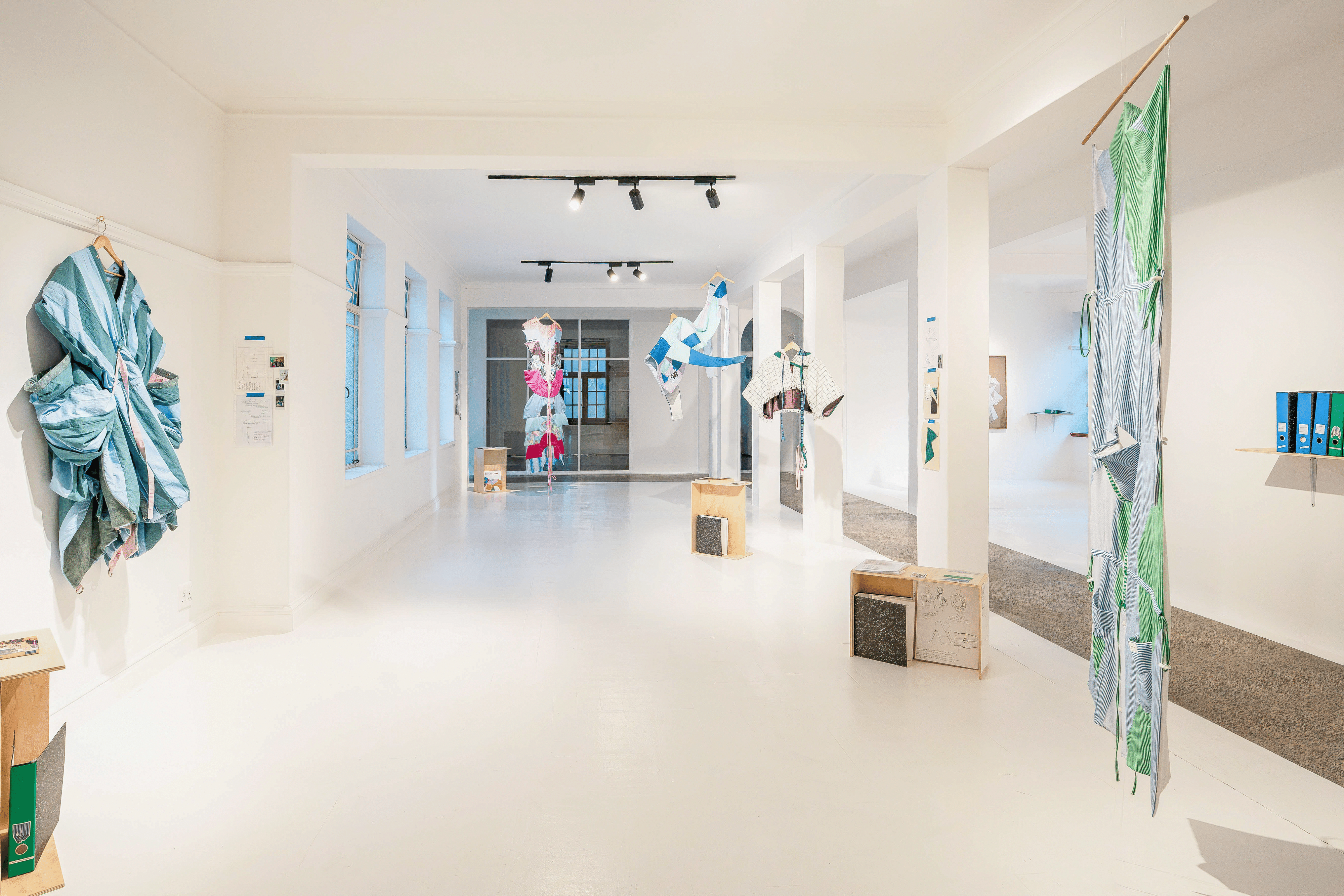
Inside the gallery space during its recent exhibition, 'After Library II' by Thulile Gamedze. Image courtesy of Lemkus Gallery.
Lemkus Gallery’s curator and co-founder, Jared Leite, reflects on the multi-faceted and exploratory nature of the work taking place in the gallery’s space on the fourth floor of its historic building: “In response to the city’s limited number of sustained cultural projects, Lemkus provides a necessary testing ground for promising practitioners and ambitious curatorial interventions. Since its inception, the gallery has developed an independent exhibition programme that runs alongside the residency… Recurring themes across past presentations include structural violence, postcolonial thought, institutional critique, systems aesthetics, body politics, labour, and play.”
Just beyond the walls of the Lemkus Exchange building, complete with its original Art Deco architecture, one finds the hum and buzz of the foot traffic in the city’s pedestrian area on St George’s Mall. This palpable energy infuses the area with a vibrant city culture, and a layered map of many types of people: “In the broader context of the city, Lemkus is quintessentially downtown, with its surrounding area functioning as a business district and thoroughfare for working-class people. Though not completely isolated, it exists outside the main gallery circuits, bringing an important cultural element to the city centre.”
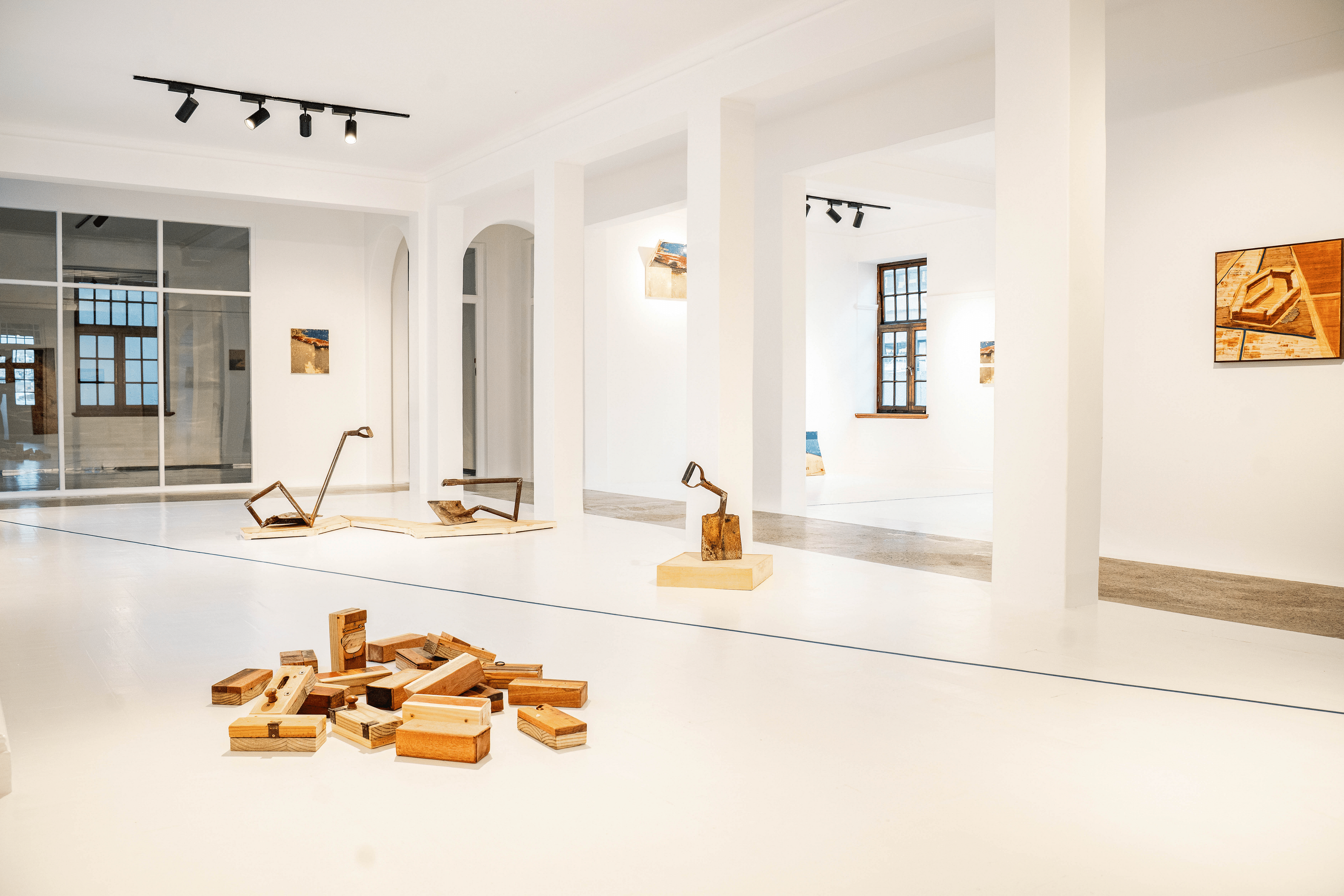
An installation shot of simultaneous exhibitions by Aaron Philander and Smiso Cele. Image courtesy of Lemkus Gallery.
“What makes the area distinct is its deeply entrenched history (see the Castle of Good Hope, the Port of Cape Town, the Company's Garden, the South African Museum, the National Gallery) and position in relation to key infrastructure such as the Golden Acre Mall and the Cape Town Station. As a charged area that sees the convergence of history and everyday life, the Lemkus Exchange Building serves as an important catchment for cultural work spanning across music, fashion and food design, and contemporary art.”
With its collaborative focus and experimental philosophy, Lemkus Gallery continues its work in contemporary art infused with the energy and legacy of a fundamental part of Cape Town’s urban identity.
Everyday Lusaka
Lusaka, Zambia
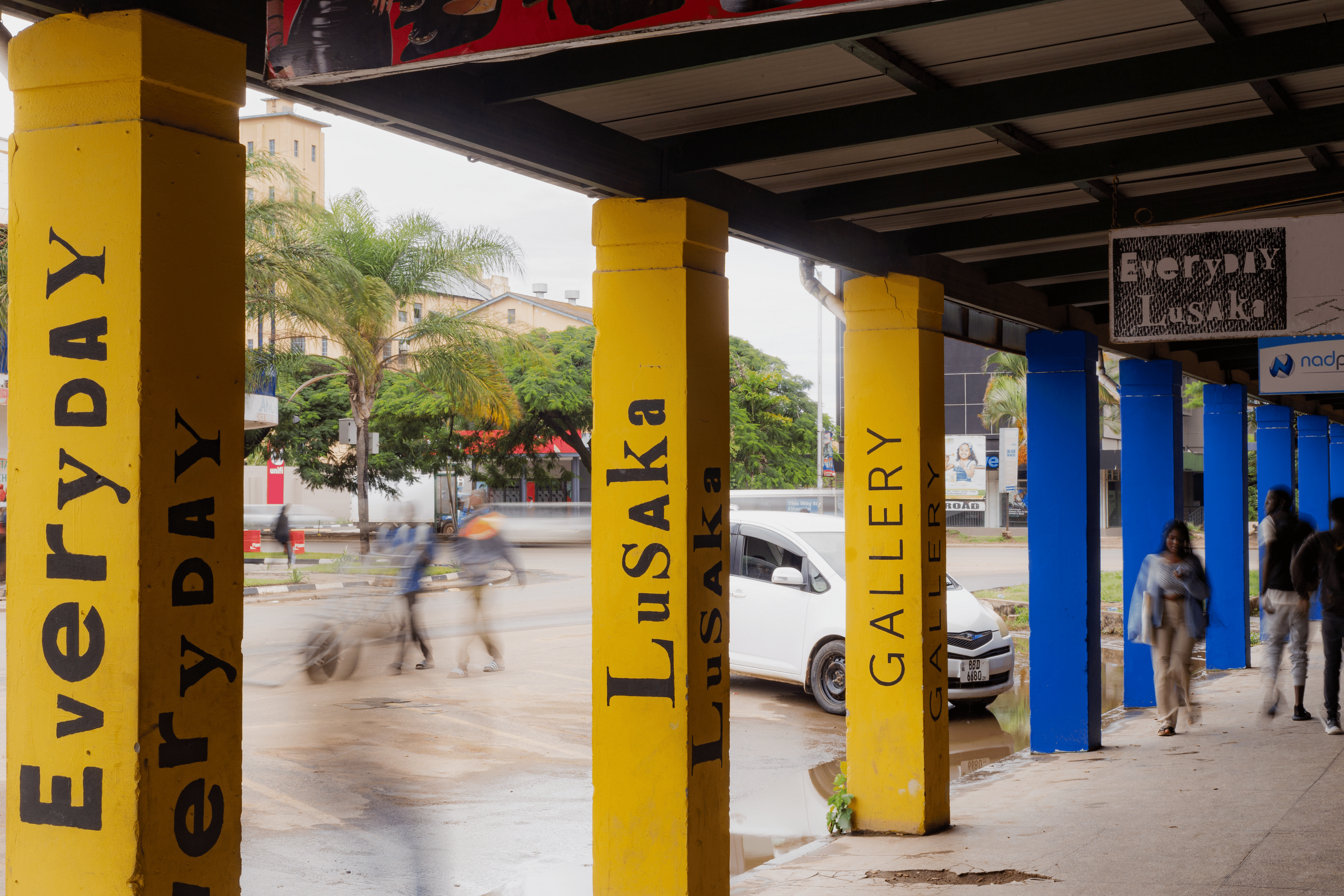
Everyday Lusaka is surrounded by the vibrant streetscape of downtown Zambia. Image courtesy of Everyday Lusaka.
After originally starting as an Instagram-based platform to counter visual media’s common portrayal of Africa as a monolithic continent, Everyday Lusaka now firmly roots its ongoing photographic focus in a historically significant building in downtown Lusaka surrounded by the city’s bustling daily life.
With a primary focus on solos, the gallery has hosted over 14 exhibitions so far, and its international program includes being the first Zambian gallery to present at the 2026 edition of Investec Cape Town Art Fair, as well as collaborative work with Mumbai-based Stranger’s House Gallery, hosting collaborative and co-curated exhibitions across the Indian Ocean.
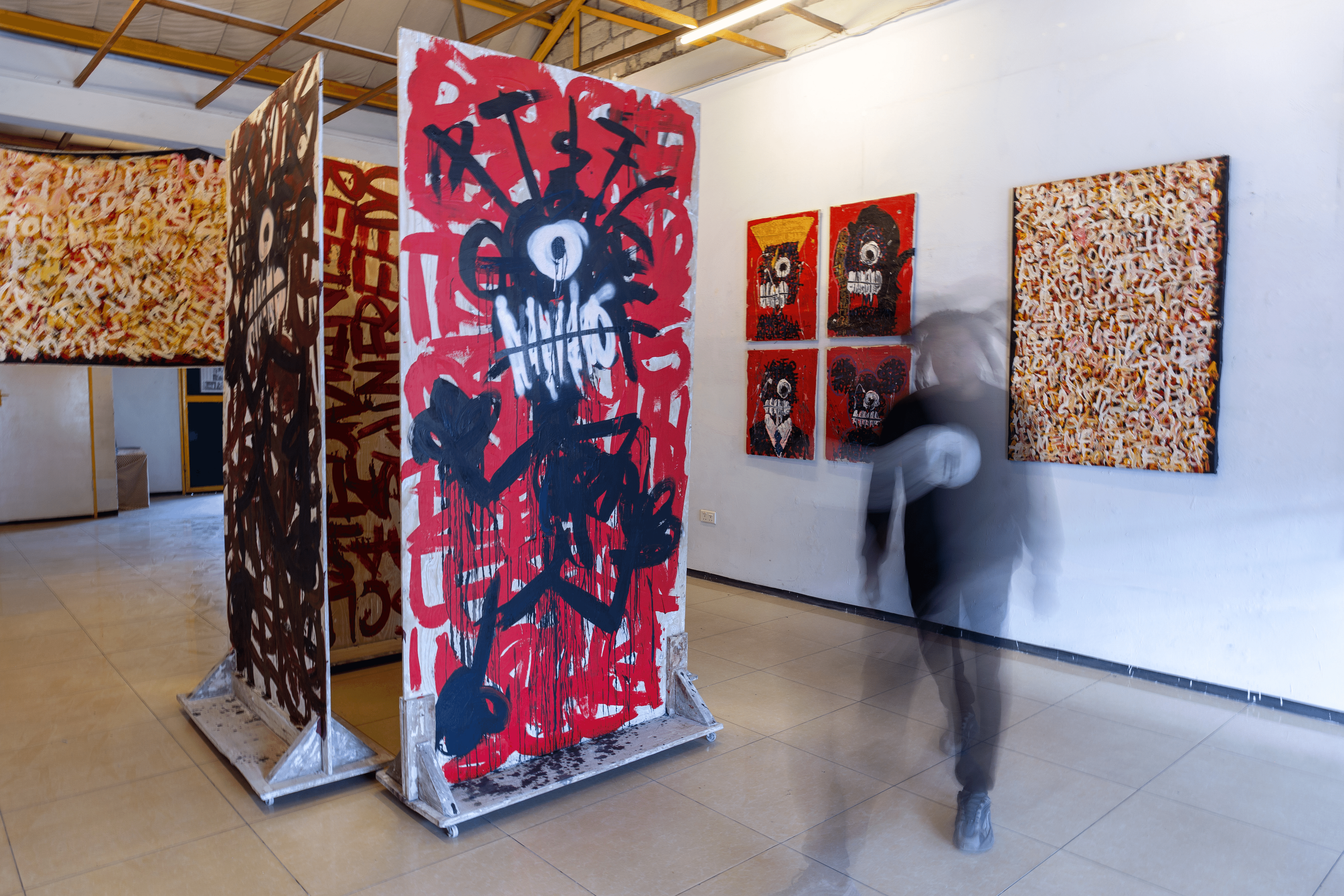
An installation shot of current exhibition, 'Red Flags' in the gallery space. Image courtesy of Everyday Lusaka.
The gallery’s physical space opened in 2024 in the historic E.W. Tarry Building. Its location may appear somewhat unexpected, existing outside the spaces better known for housing art galleries in Lusaka, but this is an important part of Everyday Lusaka’s identity, according to its founder, Sana Ginwalla: “With a physical space in an unconventional yet historical pulse of Lusaka, the project strengthens its connection to the public and the city, placing art and photography within the flow of everyday life in Lusaka. The gallery’s preserved façade and street-level location allow for direct engagement with passersby, questioning who art is for and where it belongs. It is a space shaped by its surroundings, rooted in community, history, and daily life.”
“Described as an act of “intellectual gangsterism” by Zambian artist and curator Mr. William B. Miko, the gallery’s location is a contention to the conventional spaces that we would expect to encounter art in Lusaka. Since opening, Everyday Lusaka has hosted a dynamic range of intergenerational exhibitions, workshops and talks with local and international artists that explore memory, identity, and belonging across mediums.”
The gallery’s spatial intervention of sorts takes place in a building that was built during British colonial rule, and has remained in place throughout many chapters of Zambia’s history. After being built in 1920 and named after a colonial merchant, the building was later acquired by the Unatied National Independence Party (UNIP), which was the political party that fought for independent rule in Zambia. As a protected heritage sight, the building has undergone significant reconstruction, preserving the original aesthetic of white walls and green corrugated roof, complete with the “Tarry’s Corner” signage.
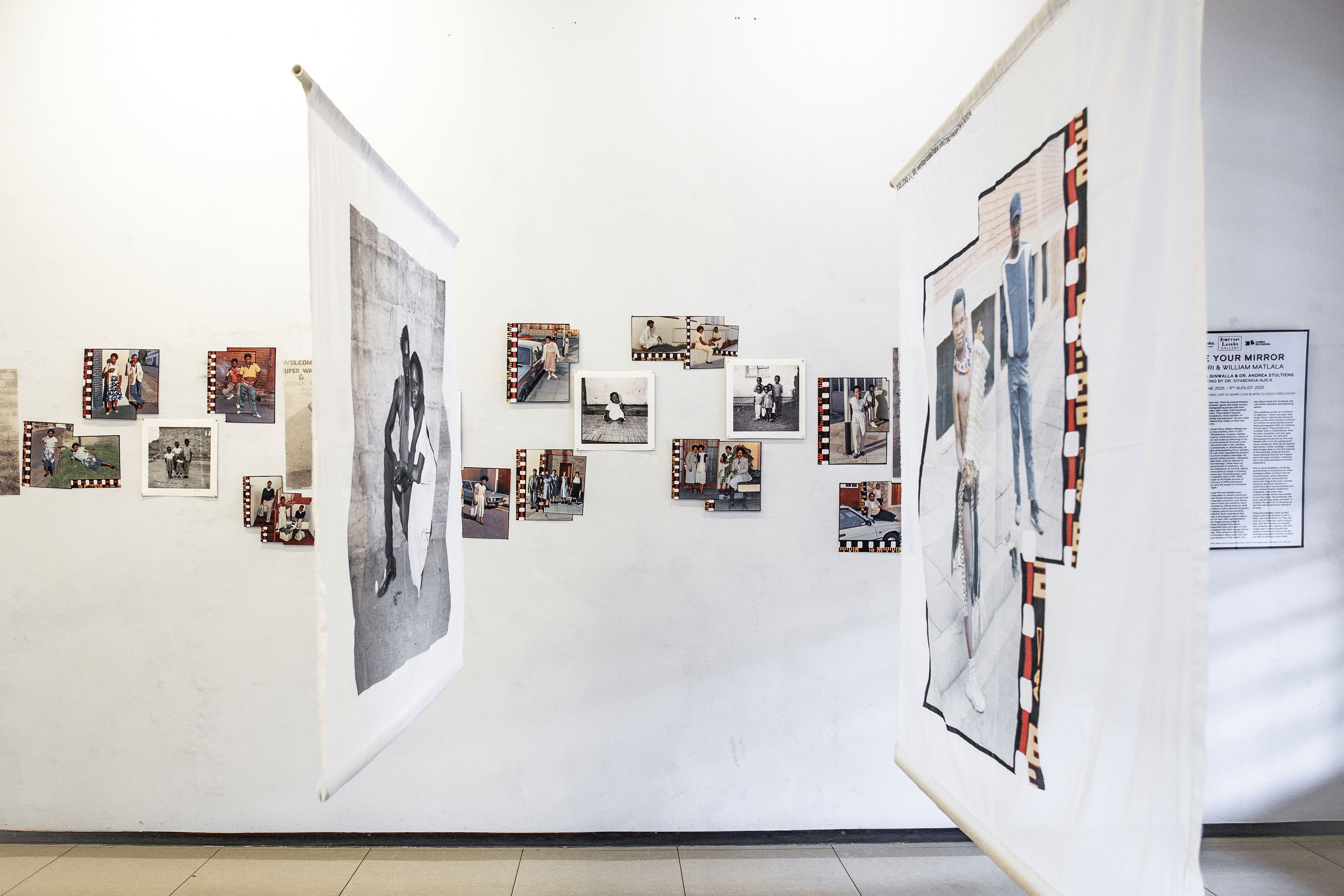
Everyday Lusaka maintains a photographic focus in its work as a contemporary art gallery. Image by Maingaila Muvundika, courtesy of Everyday Lusaka.
“Within walking distance from the gallery are several historic sites and roads. It sits right between Chachacha Road, which was reserved for Indian traders during the colonial period, and Cairo Road, which was reserved for white traders and was named after Rhodes’ Cape to Cairo railway project. Thus, Everyday Lusaka sits on a crossroad of intergenerational and inherited history which is produced by individuals and institutions that contested othering under colonial oppression.“
“The gallery’s preserved façade and street-level location allow for direct engagement with passersby, questioning who art is for and where it belongs… Daily, the energy, sounds and people of Lusaka and its streets permeate into the gallery space. This is a space where all kinds of people walking the streets, looking for and selling various items, will stumble upon art… After all, if art is a universal language, should it not be accessed by everybody?”
Namuso Gallery
The Hague, Netherlands
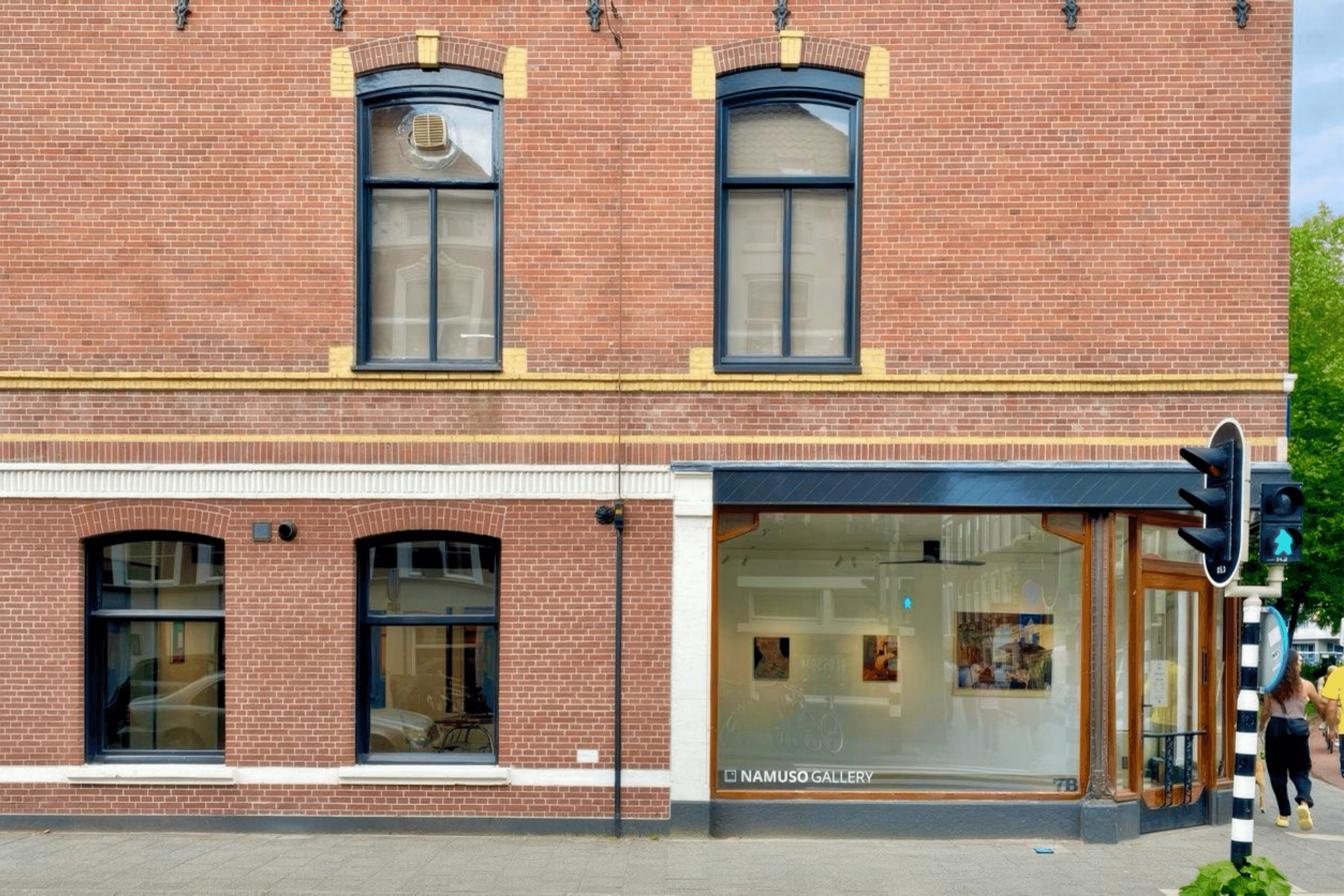
Namuso Gallery bridges contemporary art practices from across Asia, Europe and beyond. Image courtesy of Namuso Gallery.
Namuso Gallery is a contemporary art gallery based in The Hague, a city renowned for its particularly international identity as a global diplomatic hub.
This identity can be seen within the operations of Namuso Gallery. As the gallery’s founder explains, “Namuso Gallery is located in The Hague's international and diplomatic quarter, next to the French Embassy and within walking distance of the Peace Palace, home to the International Court of Justice and the Permanent Court of Arbitration, as well as Mesdag Collection and Museum Panorama Mesdag. The surrounding area is primarily diplomatic and residential rather than a conventional commercial gallery district, giving the gallery a somewhat different position within the Dutch art landscape.”
“The Hague is internationally known as a city of diplomacy and international governance, hosting a number of United Nations and European Union institutions, alongside major organisations in international law and justice. That has given the city an unusually cosmopolitan character, with people from many different countries living and working alongside one another. At the same time, The Hague has a strong cultural infrastructure, from the Mauritshuis and Kunstmuseum Den Haag, Voorlinden Museum to Museum Beelden aan Zee and a diverse network of smaller art spaces, galleries and artist initiatives.”
This certainly shapes the way in which the gallery interacts with artists and the global art community. “Since opening its permanent space in June 2024, the gallery has developed a programme of emerging and mid-career artists whose practices engage with questions of identity, materiality, and the dialogue between tradition and contemporaneity. Namuso presents more than six exhibitions annually at its Hague space, complemented by international art-fair presentations across Asia, Europe and Africa, including Investec Cape Town Art Fair.”
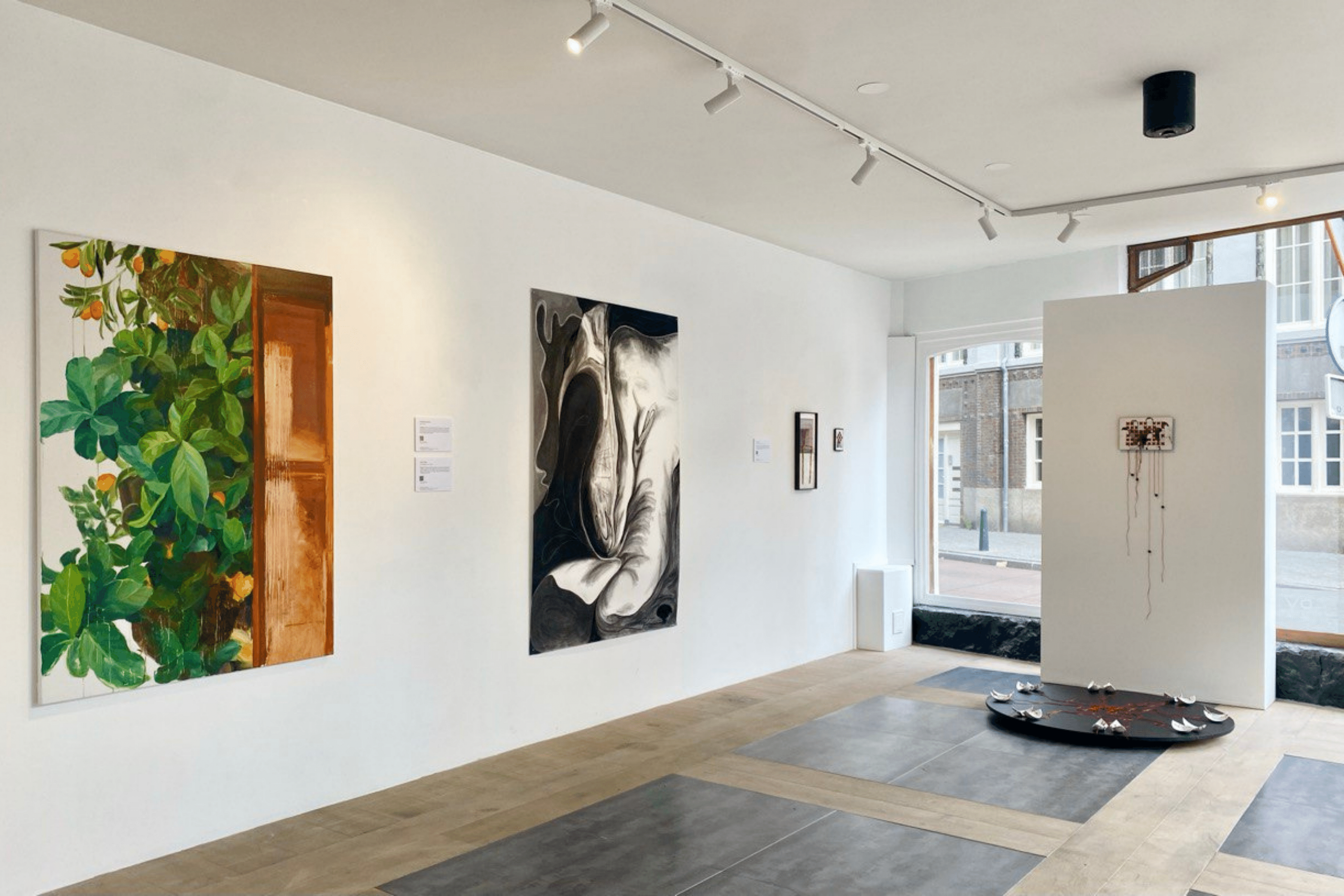
Namuso Gallery's presentations incorporate artists at varying states of their careers. Image courtesy of Namuso Gallery.
Particular focus is placed on supporting newer practices and developing them to interact meaningfully in broader international conversations. For example, every year Namuso Gallery hosts ‘Graduation Show: Emerging Asian Talents’, which provides a platform for recently graduated artists developing their practices within the Netherlands.
Alongside its exhibition and fair programme, Namuso develops cultural and diplomatic collaborations, including a photography exhibition presented with the French Embassy in the context of the Paris 2024 Olympic Games. Together, these activities reflect the gallery's outward-looking approach and its interest in creating connections between artists, audiences and institutions across different cultural contexts. Global dialogues, echoed in the gallery’s immediate surroundings, are clearly a key foundation influencing the type of interactions conducted within the gallery’s network.
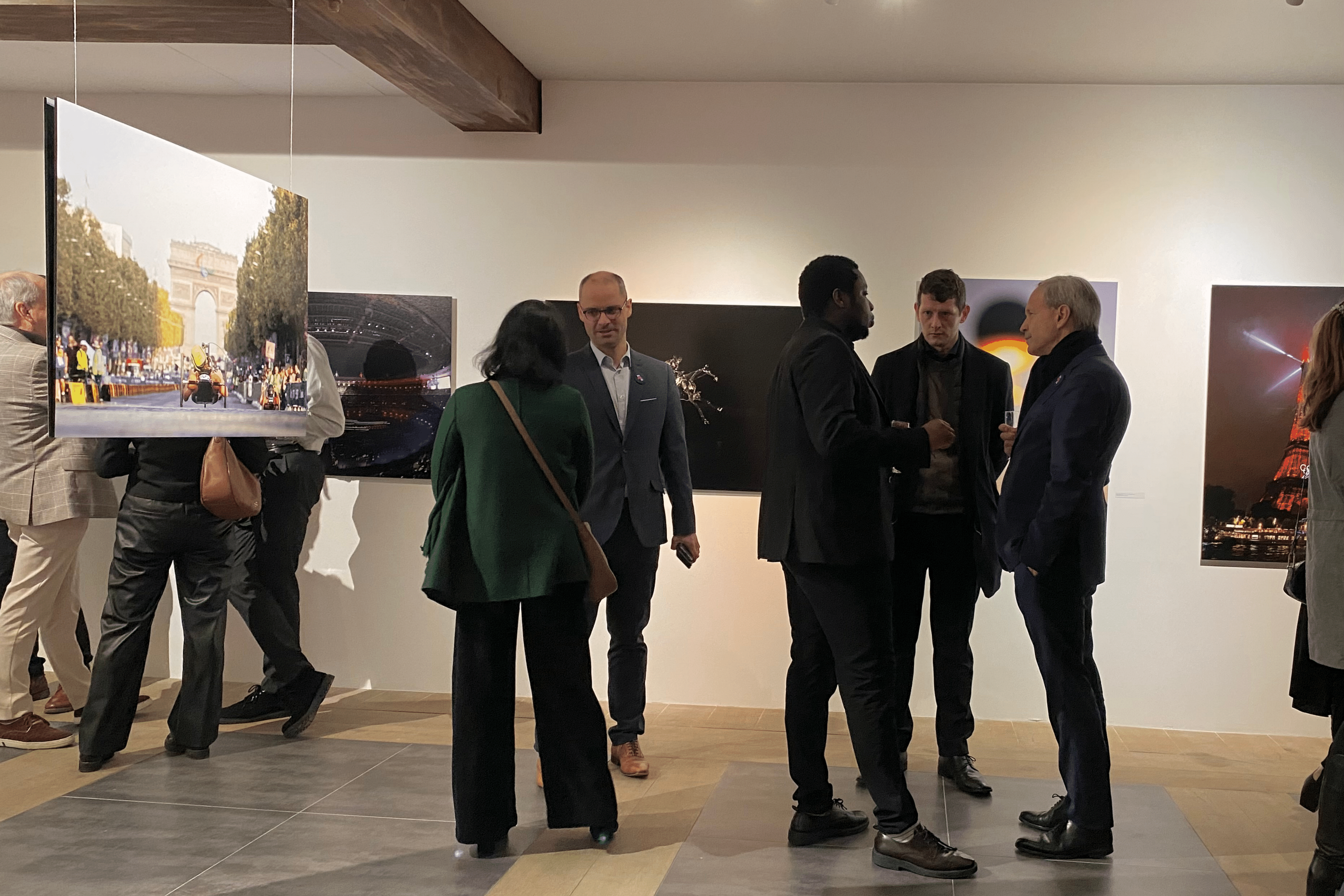
An interior shot of the gallery space. Image courtesy of Namuso Gallery.
“Namuso is not situated within commercial gallery districts found in Amsterdam. We see this as an important part of the gallery's identity. The area around the gallery has a quieter rhythm, where embassies, historic buildings, museums and residential streets exist alongside one another rather than forming a concentrated sequence of galleries. For us, this international character of The Hague is particularly meaningful. The city brings together people and perspectives from across the world, and that resonates naturally with the way we think about contemporary art. Our audience has also developed an international character, with collectors and visitors coming from outside the Netherlands as well as from The Hague itself.”
RESERVOIR
Cape Town, South Africa
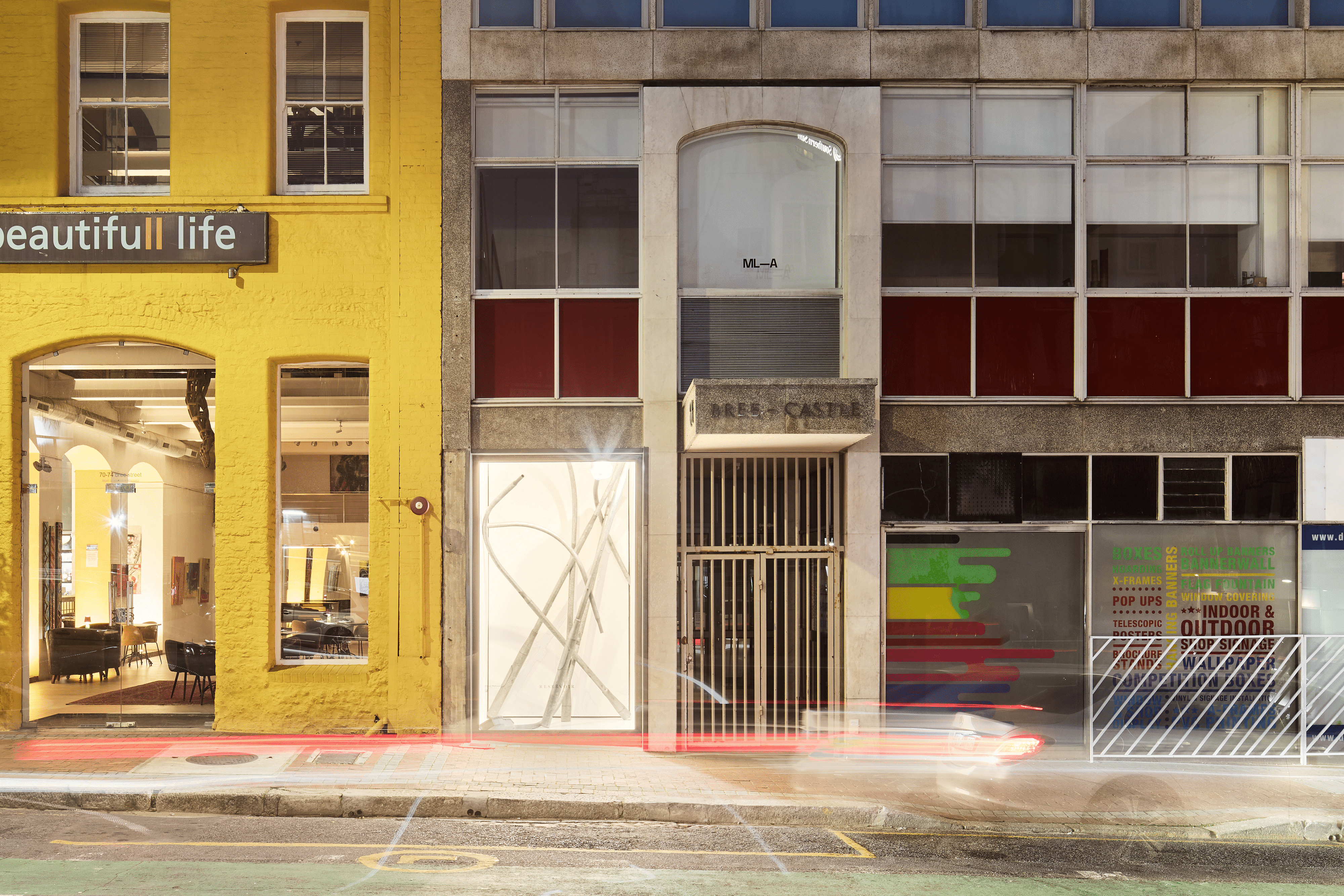
RESERVOIR focuses on emerging voices from Southern Africa. Image courtesy of RESERVOIR.
RESERVOIR has been operating since 2023 as a contemporary art gallery on the 7th floor of Bree Castle House on Bree Street, in the heart of Cape Town’s bustling inner-city.
RESERVOIR’s co-founder, Heinrich Groenewald, explained how the gallery’s space represents an important international bridge for artists and art collectors alike: “The gallery holds a growing roster of artists from South Africa, Mozambique and Zimbabwe, and over the past three years RESERVOIR has received multiple awards for its participation in art fairs both locally and internationally.”
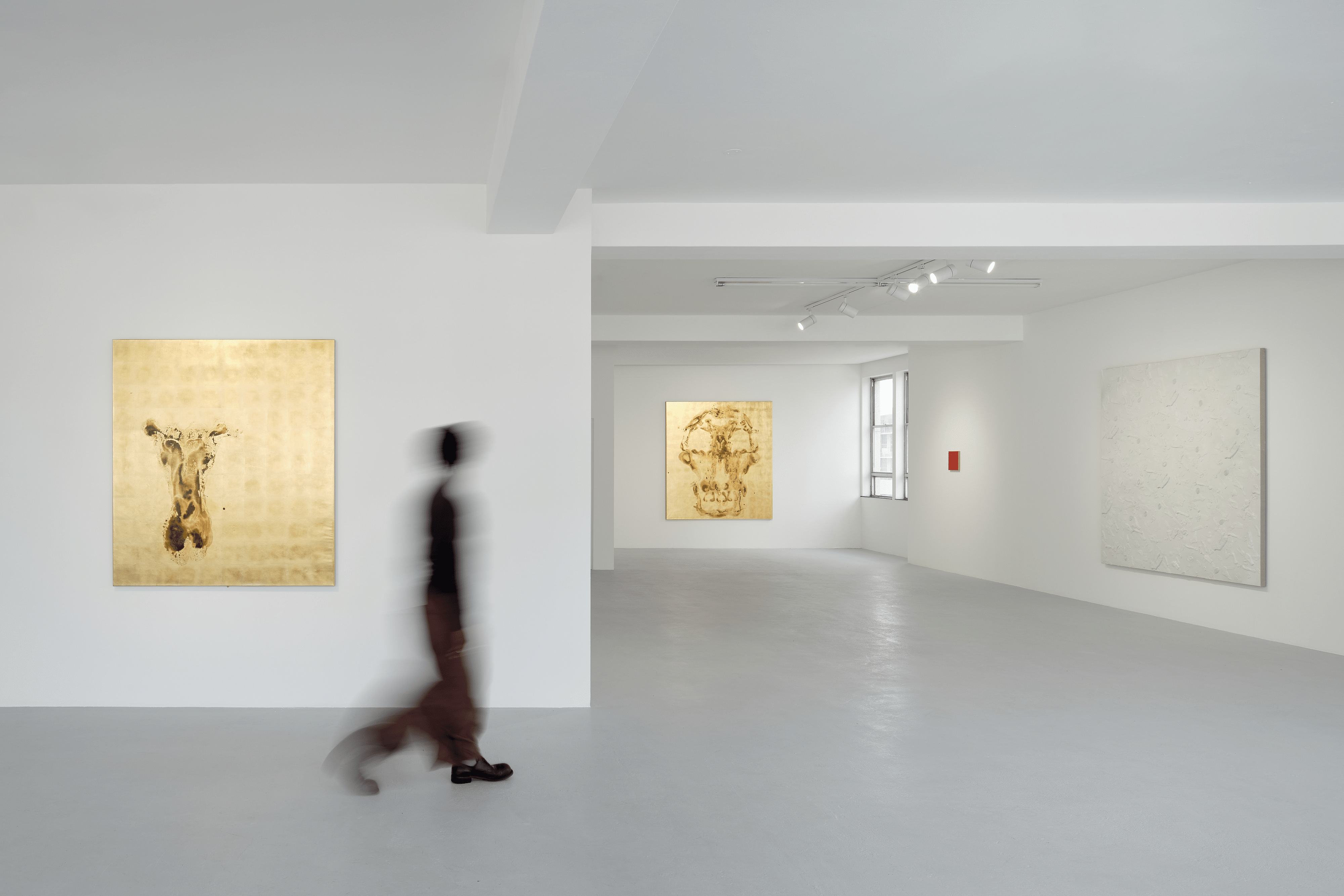
An installation shot of 'Deeper - Deeper', by Pierre Vermeulen. Image courtesy of RESERVOIR.
From its gallery space along its home city’s popular Bree Street, RESERVOIR’s work as a contemporary art gallery is complemented by the strong cultural landscape nurtured and experienced within the area: “Bree Street is the creative heart of Cape Town. Running through the city centre, it is home to much-loved local hangouts and an array of small design businesses. It is a human-focused corridor where driving lanes have been narrowed to make way for cyclists and pedestrians. On Sundays, the street closes completely to cars, creating space for a free flow of people on wheels, performances and creative expression. On the first Thursday of every month, galleries stay open late, and Bree Street comes alive with vintage markets, street parties, pop-up exhibitions and late-night encounters.”
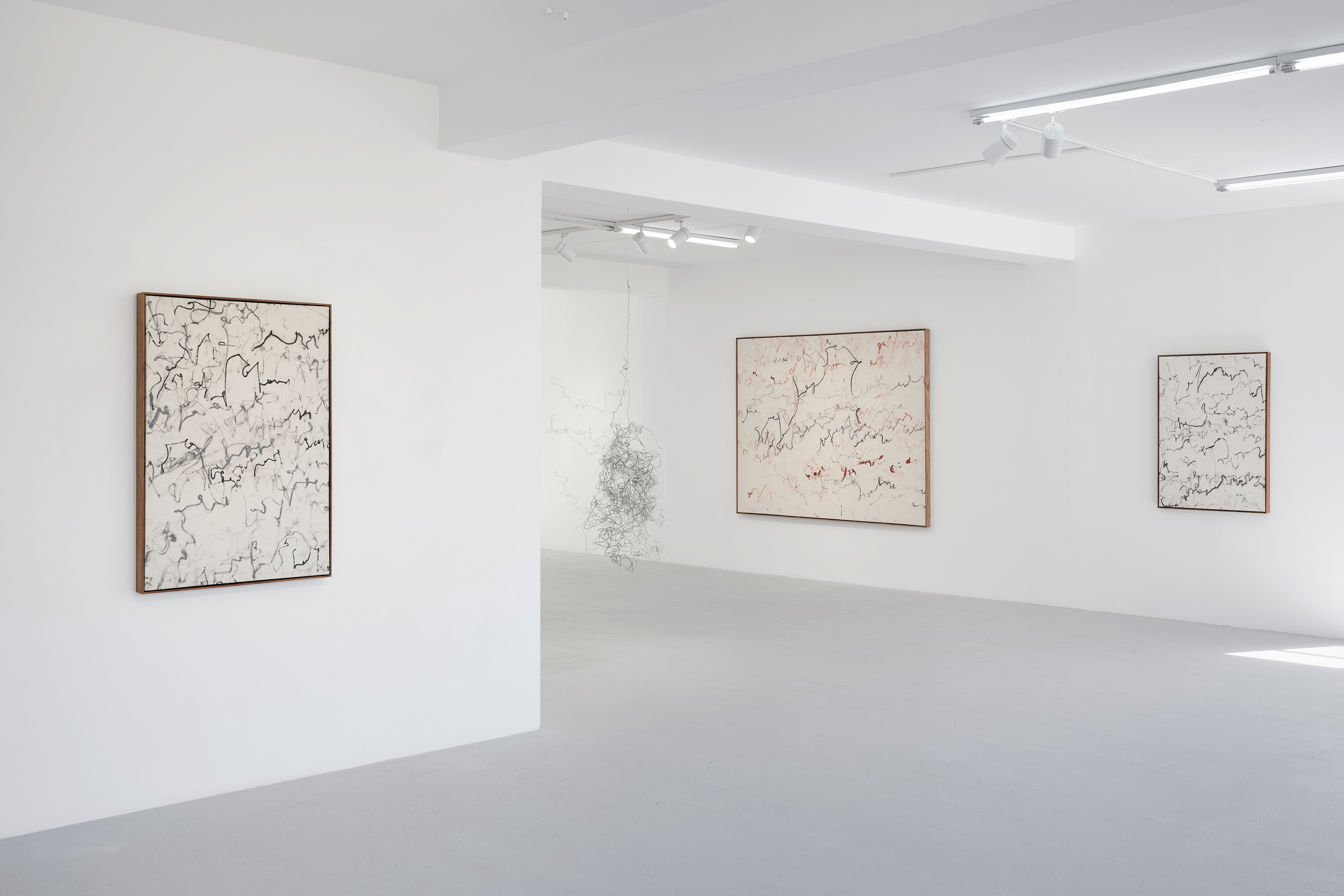
A look inside the gallery space during the exhibition, 'This is not a piano...' by Mankebe Seakgoe. Image courtesy of RESERVOIR.
Public participation is certainly a notion that is considered within the operations of the gallery space: “In 2026, RESERVOIR opened KIOSK, a street-facing shopfront that presents engaging artwork to the public 24/7. Where the gallery maintains standard business hours (with a few late nights for festive openings!), the kiosk is an open encounter - work in dialogue with whoever passes by.”
RESERVOIR offers projects and exhibitions with both a distinctly international reach while maintaining regional lenses, and does so with a deep and active connection to its surrounding people and the urban landscape of Cape Town’s inner city.
Galeria NÉBOA
Lugo, Spain
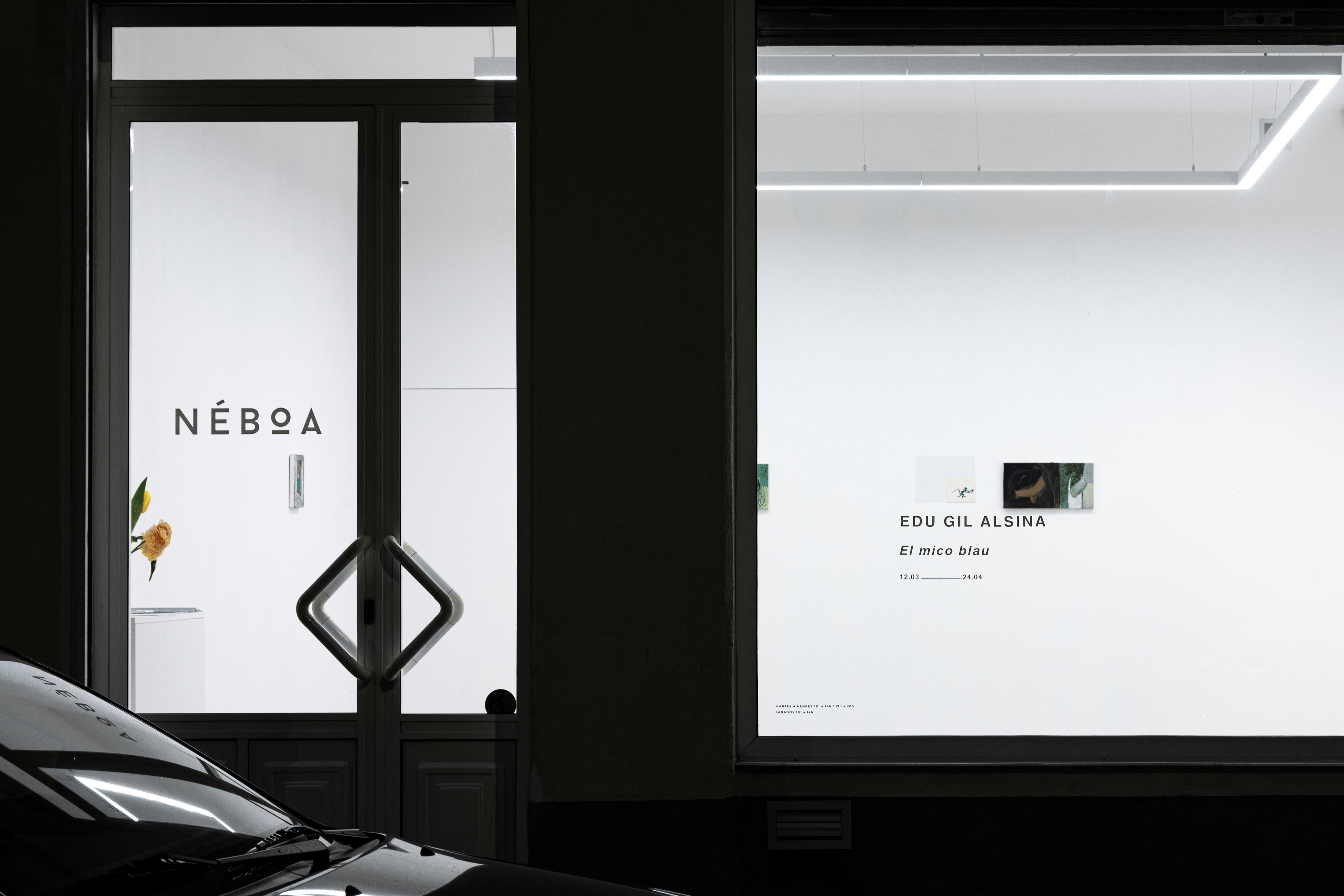
Galeria NÉBOA sits among the Spanish town of Lugo. Image courtesy of Galeria NÉBOA.
Founded in 2023, Galeria NÉBOA supports distinctly contemporary art practices as a new layer to enrich the existing historical foundations of its neighbourhood in its home city of Lugo.
The gallery’s programme mainly focuses on emerging artists, including Andrea Davila Rubio, Sara Piñeiro, Andrés Rodís and Edu Gil, while also developing relationships connecting the gallery with networks expanding far beyond its home region. Its community of ‘newer’ artists co-exist with a city whose ancient identity remains visible to this day.
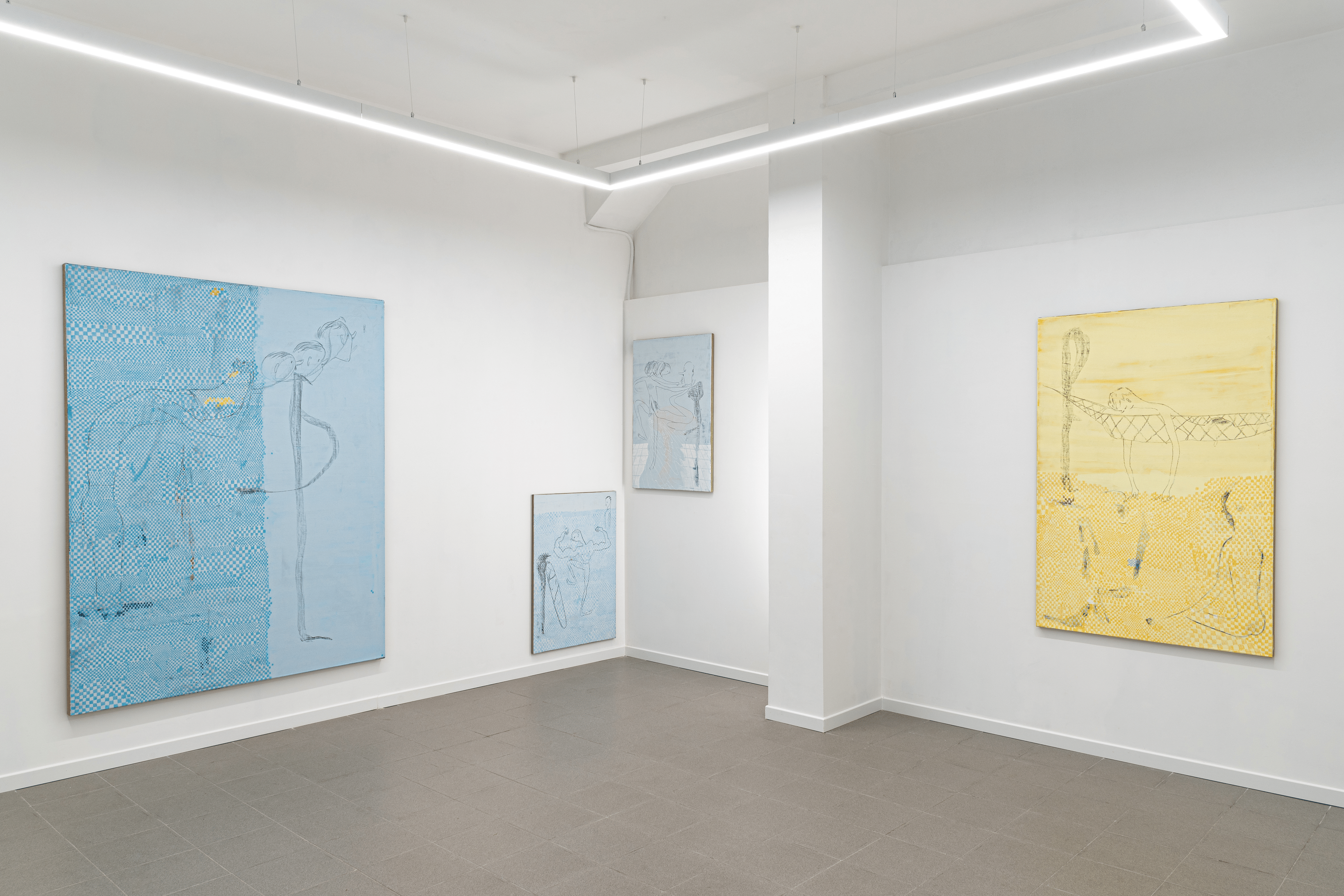
An installation show of an exhibition by Vicente Blanco. Image courtesy of Galeria NÉBOA.
As Galeria NÉBOA’s Alba López Porto explains: “Lugo is a city with more than two thousand years of history, best known for its Roman walls, a UNESCO World Heritage Site. NÉBOA is located just outside the historic centre, in A Milagrosa, a residential neighbourhood rather than an established gallery district.”
“We see this context as an important part of the gallery’s identity. There is an interesting tension between the age of the city and the generation of artists we work with: contemporary practices entering a city whose history remains deeply present in everyday life. Rather than separating the contemporary from the historic, NÉBOA aims to add a new layer to Lugo’s cultural landscape.”
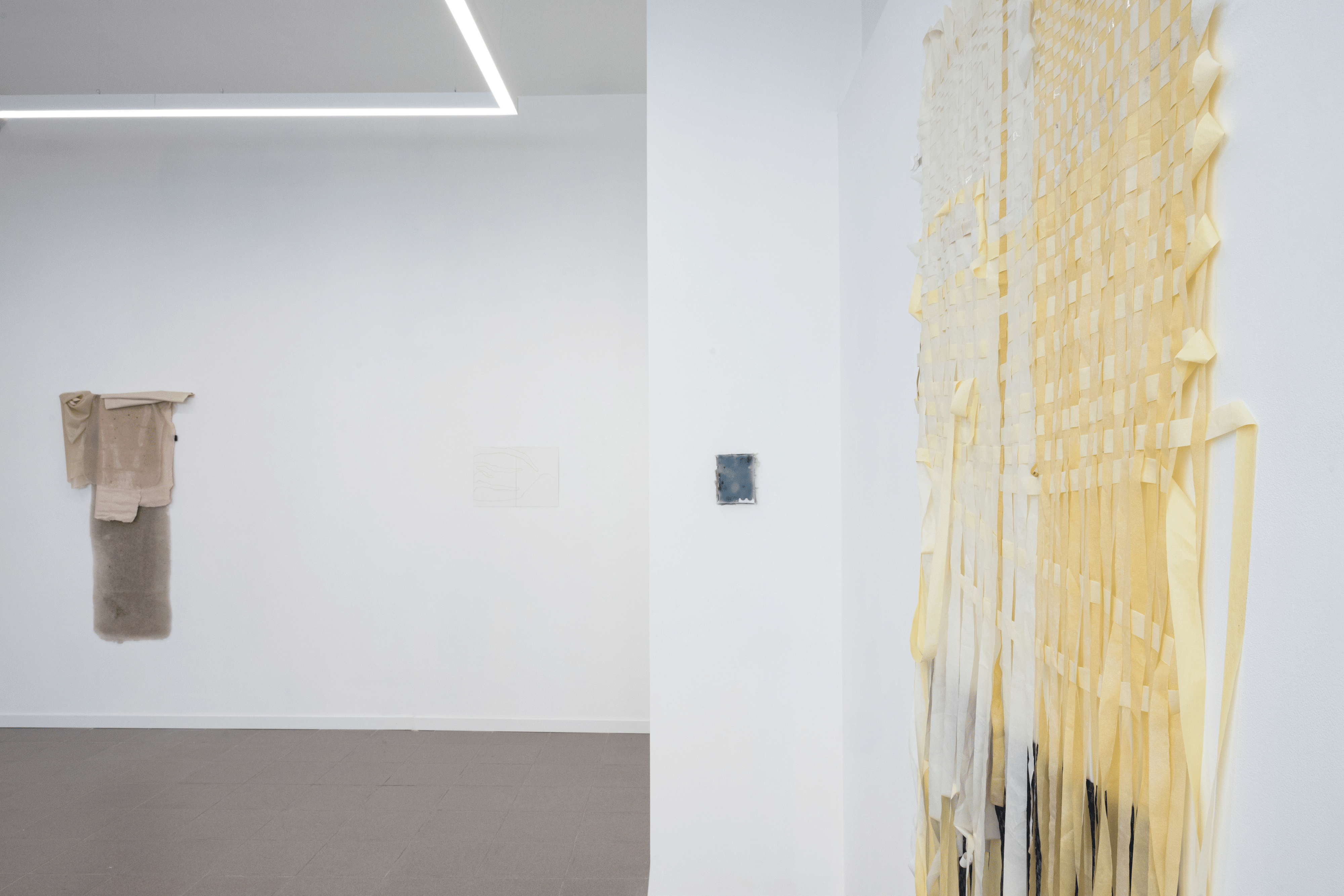
Sara Pineiro's exhibition, 'Truer' at Galeria NÉBOA. Image courtesy of Galeria NÉBOA.
Such a landscape remains part of an ongoing contemporary conversation, placing Lugo amongst other histories, artistic landscapes, and concepts: “The gallery is rooted in Galicia, but its programme looks beyond the region, using Lugo as a point of departure rather than a limitation. For us, being based in a small, historic city makes it even more important to create connections with the wider contemporary art community.”