SECTIONS

MAIN
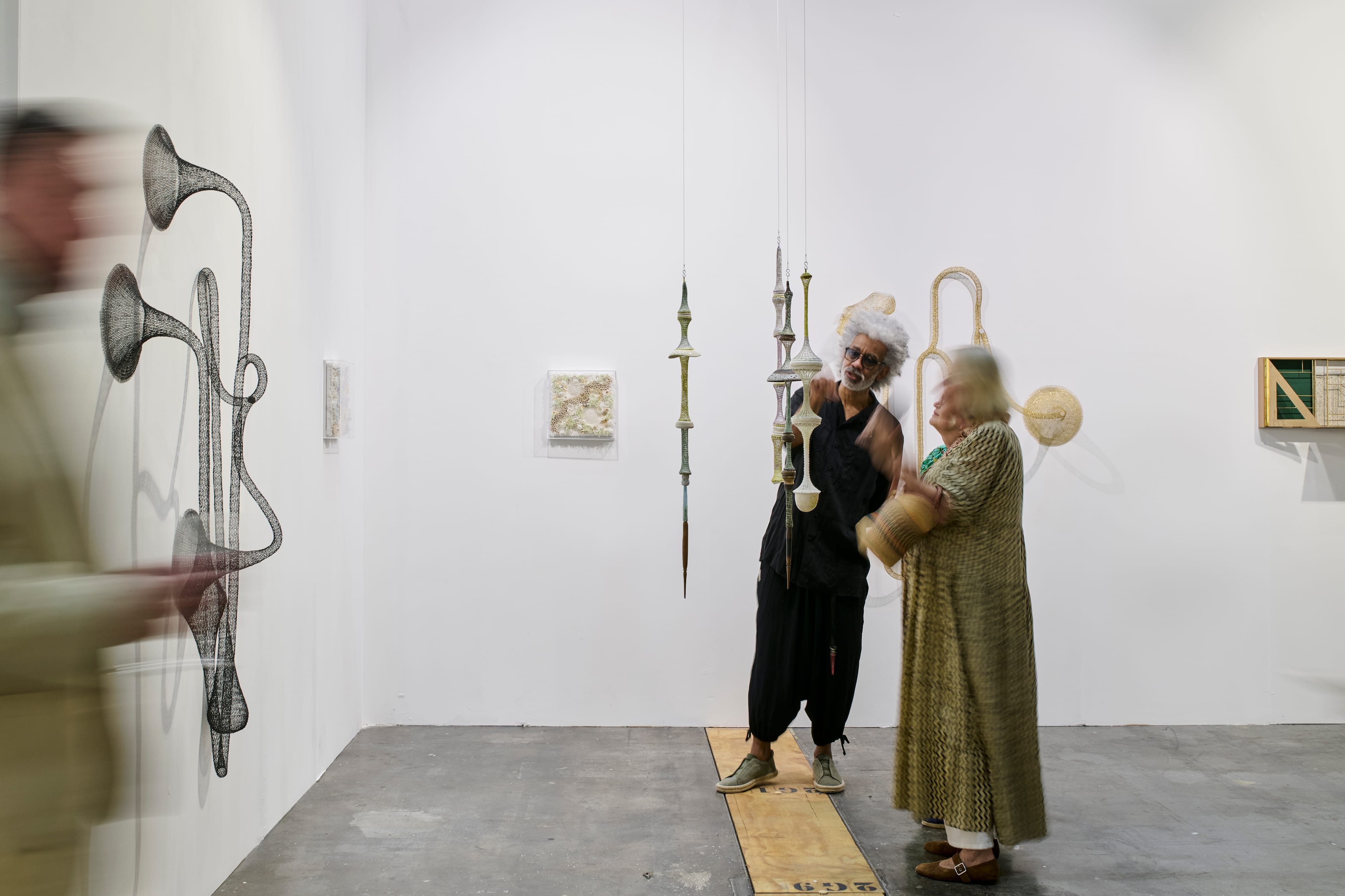
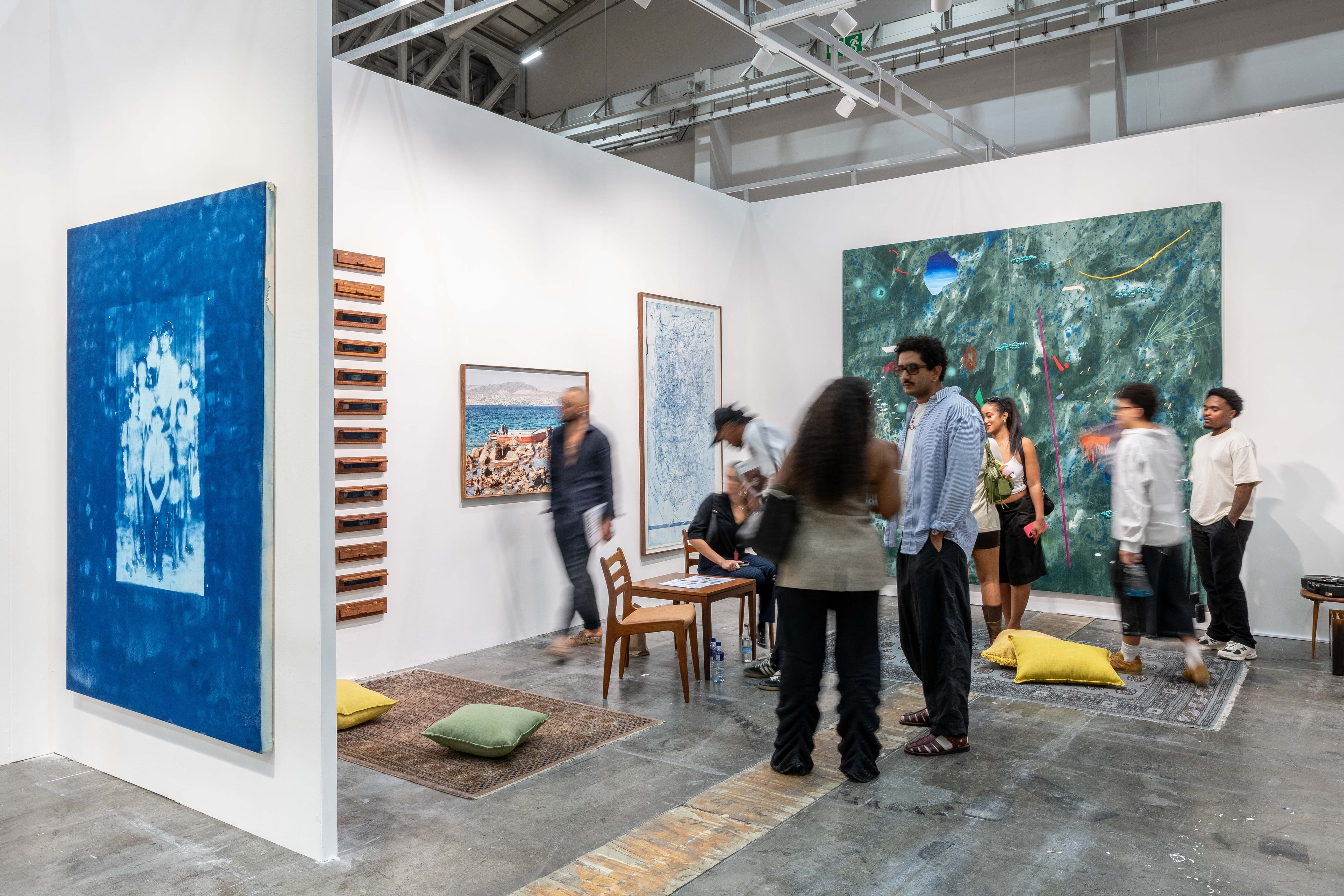
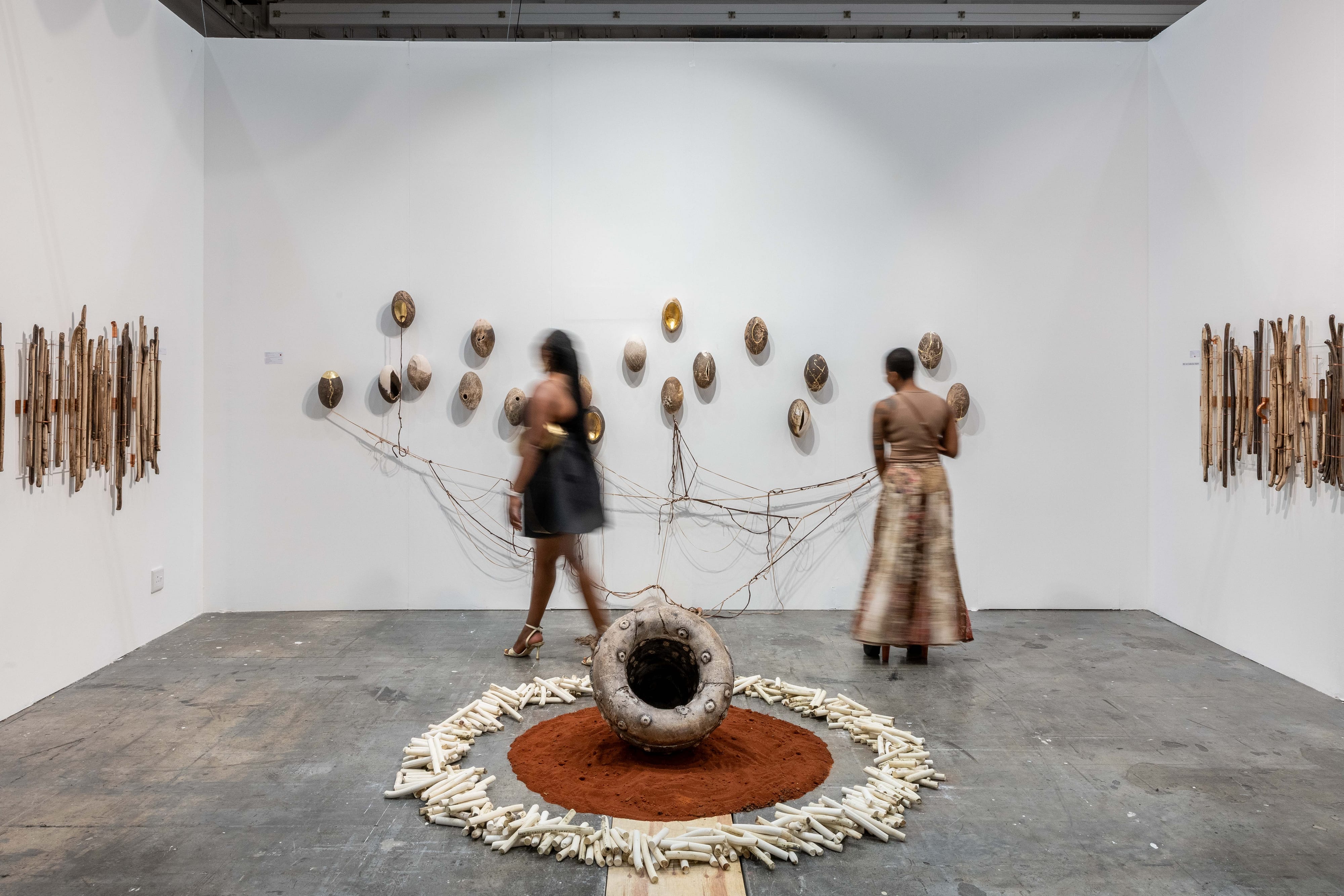
Main presents leading contemporary art galleries from around the globe, showcasing a broad spectrum of artistic voices and practices. In the heart of the fair, Main supports dynamic exhibitions with room for galleries to convey a wider representation of their programmes. Through its layout, which mimics the multifaceted design of urban spaces, Main nurtures meaningful exchange and discovery. It is a hub for immersive encounters of expansive presentations, while remaining a bridge connecting perspectives and concepts across the fair’s other sections.
A
LOOKOUT
Lookout spotlights non-traditional, experimental project spaces under five years old, celebrating alternative models of exhibition-making and collaboration.
A
EDITIONS
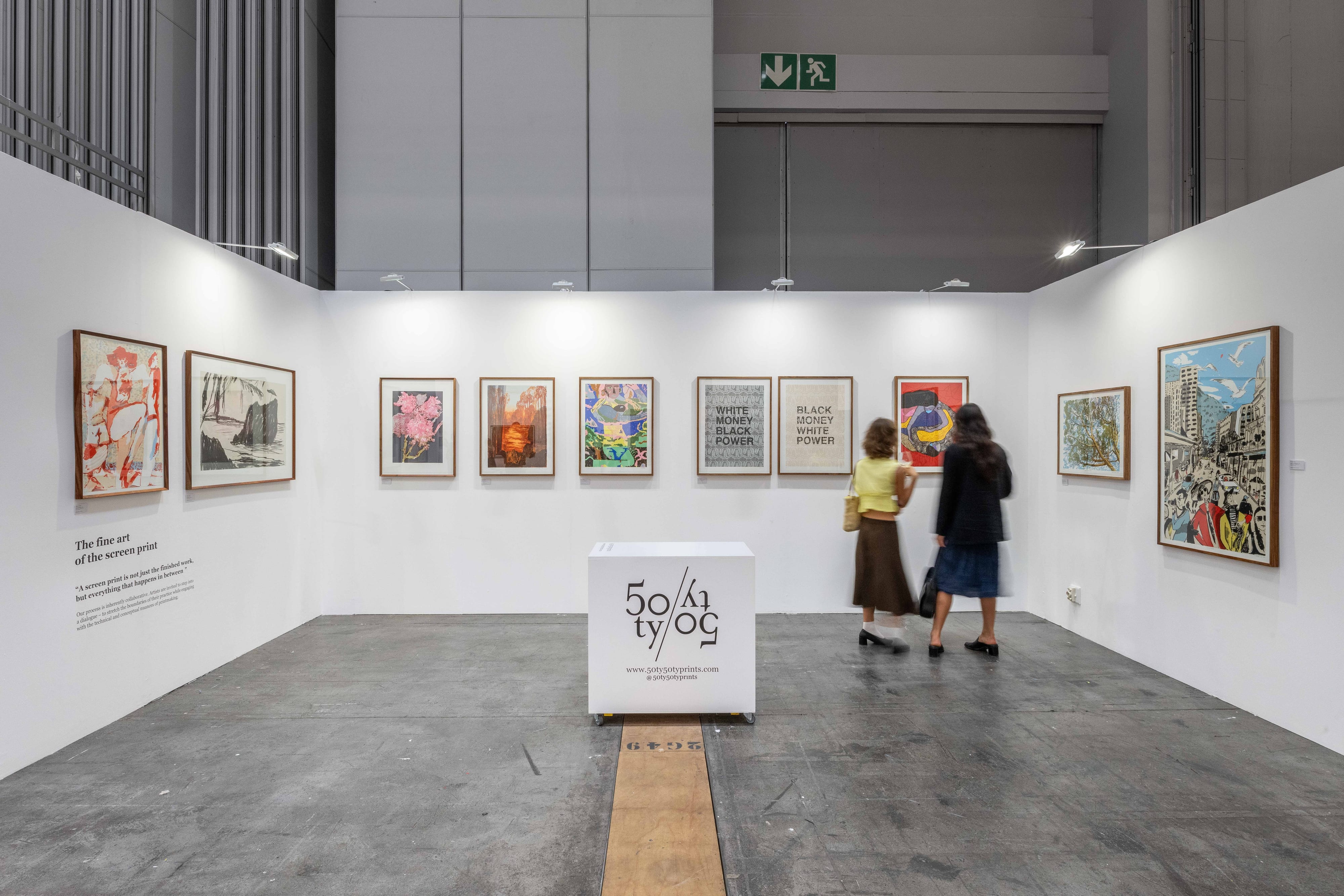
Editions brings together studios, workshops and galleries that specialise in prints, multiples and artist editions, featuring work by some of the world’s most celebrated practitioners.
A
TOMORROWS/TODAY curated by Dr. Mariella Franzoni
Material Imaginations
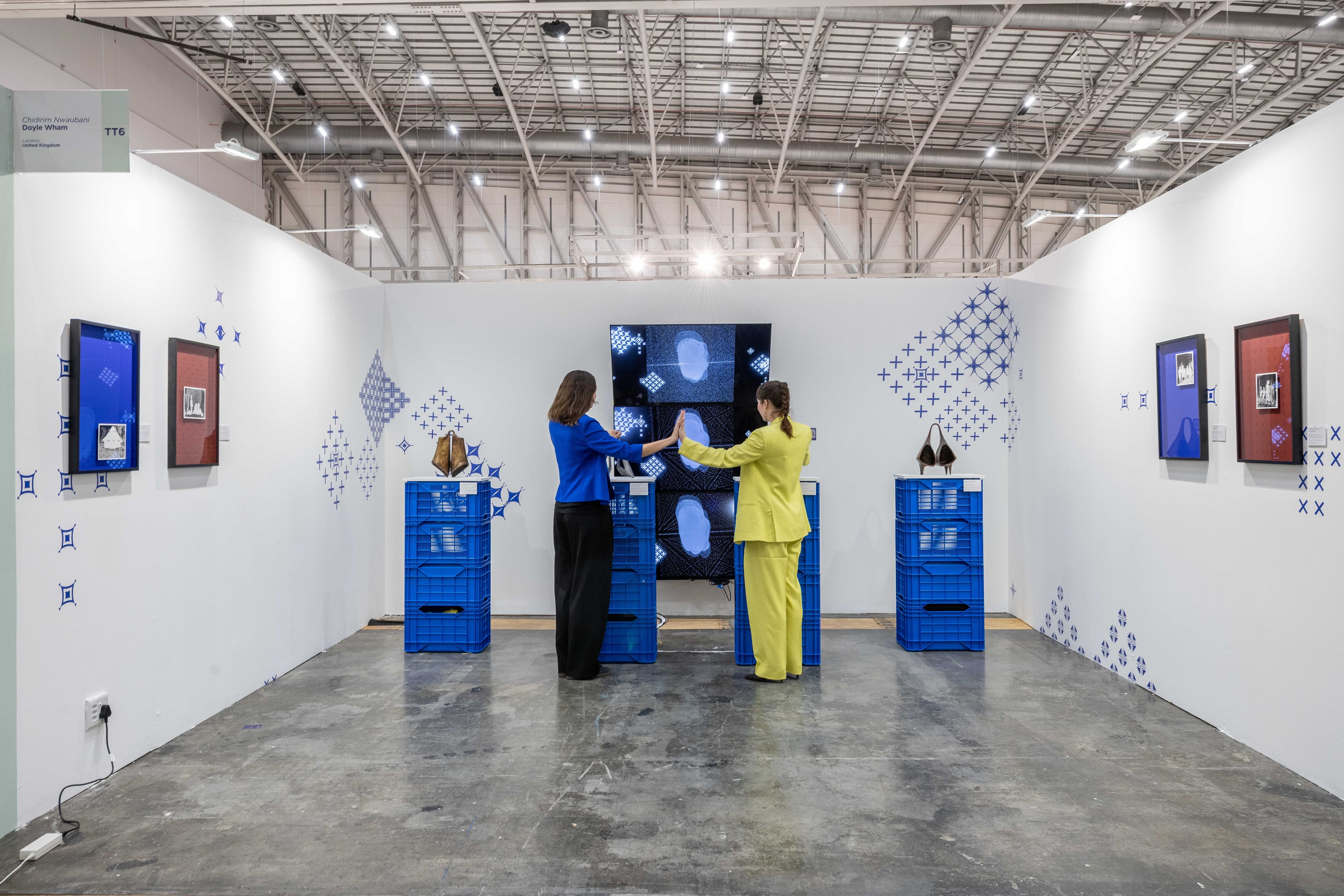
Galleries are invited to submit proposals for Tomorrows/Today, a curated section dedicated to emerging and underrepresented artists, conceived as a platform for new perspectives, critical engagement, and experimental artistic practices. Under the title Material Imaginations, Tomorrows/Today 2027 proposes an exercise in poetic and political imagination grounded in the idea that contemporary artistic practices actively participate not only in how reality is perceived, sensed, represented, and reimagined, but also in how it is materially brought into existence. In dialogue with Andrea Soto Calderón’s notion of “material imagination,” while embracing resonant insights from thinkers such as Édouard Glissant, Gaston Bachelard, Georges Didi-Huberman, Jacques Rancière, Susan Sontag, Michel Foucault, Fred Moten, and Jane Bennett, this edition approaches imagination and materiality not as opposing realms, but as deeply interconnected dimensions of world-making. If materiality constitutes the sensorial and physical condition through which the world appears and becomes experienceable, imagination is the capacity through which those realities are perceived, activated, reconfigured, and projected otherwise. Neither precedes the other: matter is always already shaped by regimes of perception and imagination, just as imagination emerges from embodied, sensorial, and material encounters with the world. Matter is therefore understood not as an inert recipient of human action, but as an active, relational, and performative presence capable of shaping sensibility and producing meaning, while imagination participates in the construction of new subjectivities, social imaginaries, and ways of inhabiting the world. Their relationship is mediated by historically situated forms of knowledge and perception that shape the intelligibility of reality itself —the order of things as episteme. Art, in this sense, participates not only in the production of images and objects, but also in the production of knowledge, intervening in the very conditions through which reality becomes visible, intelligible, and imaginable. At a moment marked by the exhaustion of image consumption and, paradoxically, by a growing inability to imagine alternatives to the crystallised dystopias of our present, Material Imaginations seeks to foreground artistic practices that engage materiality as a poietic and transformative force. We invite proposals that foreground what artworks and artistic practices do in their full material presence: how the images and material relations they produce affect bodies, reshape sedimented forms of knowledge, activate imagination, interrupt dominant visual regimes, or generate new possibilities for sensing, narrating, and inhabiting the world otherwise, opening poetic fissures toward new political imaginaries. The Tomorrows/Today prize will be awarded by a panel of art professionals to the artist with the highest quality presentation.
A
SOLO curated by Céline Seror
Becoming Otherwise: Matter, Spirit, World
Galleries are invited to submit proposals for SOLO 2027, a curated section for solo presentations by artists whose practices resonate with the curatorial theme: Becoming Otherwise: Matter, Spirit, World “All that you touch You change. All that you change Changes you. […]” Octavia Butler, Parable of the Sower Under the title Becoming Otherwise: Matter, Spirit, World, SOLO 2027 invites applications from galleries representing artists whose practices approach creation as a living process. Moving across material, spiritual, and speculative dimensions, the section seeks artists whose work explores the shifting conditions through which bodies, forms, and ways of being continuously emerge, transform, and become otherwise. Across different mediums, the curated section examines artistic practices that engage transformation not as an event, but as a condition of existence. Whether through processes of metamorphosis, ritual, hybridity, reinvention, or world-building, the selected artists challenge fixed categories and stable identities, opening spaces where boundaries become increasingly porous. The section unfolds through two interconnected movements: artists who investigate becoming through questions of identity, embodiment, and consciousness; and artists whose practices engage matter as an active and generative force, capable of producing new meanings, relationships, and futures. Inspired by philosophies and cosmologies that understand the world as a web of visible and invisible relations, SOLO 2027 considers creation as a space of continuous mutation, where spiritual and embodied experience converge with material transformation. Through their works, the artists gathered here invite us to imagine not only what the world is, but what it might yet become. Galleries are encouraged to propose solo presentations that respond thoughtfully. Further information regarding criteria, application requirements and deadlines is available through the APPLY button.
A
GENERATIONS curated by Hamzeh Alfarahneh
Form Is The Essence
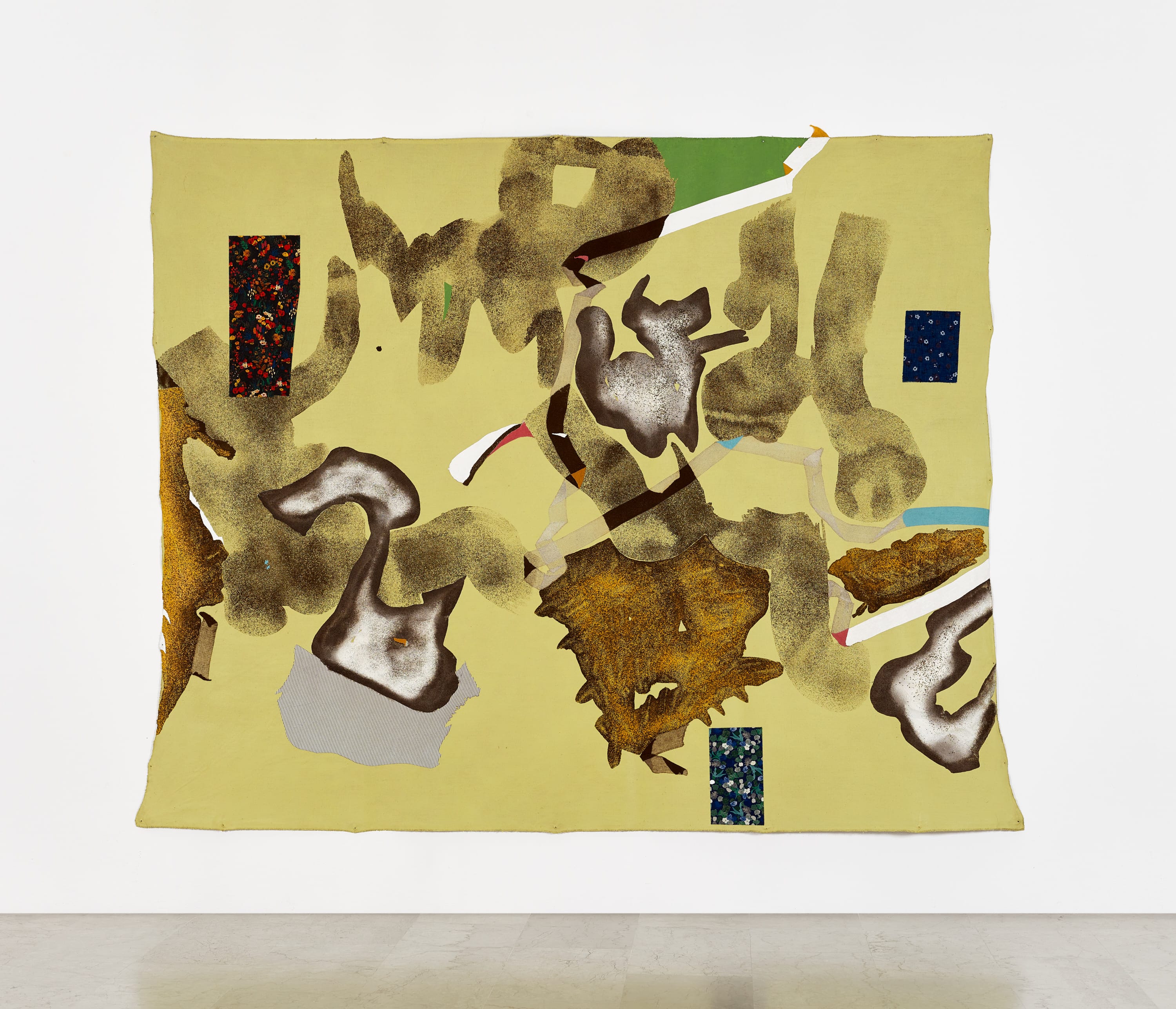
Galleries are invited to submit proposals for Generations 2027, a curated section of group presentations bringing together practitioners engaged in abstraction across generations, from Southern Africa, the continent at large, and beyond, with the aim of making visible the plurality of non-figurative practices from around the world, with an emphasis on the Global Majority, and its diaspora. As philosopher Susanne Langer argued in Feeling and Form, art is "the creation of forms symbolic of human feeling," (1) an articulate but non-discursive form whose meaning cannot be extracted and restated in any other register without loss. The form is the essence. And if form carries meaning, then the act of looking becomes something more than observation. Rudolf Arnheim, writing in Visual Thinking (2), extended this further: perception is not passive reception but a cognitive act. The eye thinks, organising and seeking the essential structure beneath the surface. This is something the Ghanaian sculptor El Anatsui had long drawn from within his own tradition, describing the Adinkra symbol system of his homeland as abstract art that looks at the world "It showed me where to go with my art, which is not about what things look like, but what meanings things can have." (3) Abstract work engages this faculty directly, accessing a register of human experience that representation, for all its power, cannot reach alone. "The more horrifying the world becomes, the more art becomes abstract."(4) The Swiss-German artist Paul Klee wrote these words in 1914, and with a century of hindsight we can observe that he was only partially right. Abstraction has endured, but it has not replaced representation. Non-figurative mark-making has roots far older than European modernism; evident in the ochre engravings of Blombos Cave, in the geometric tile traditions of the medieval Islamic world, the kente weaving of West Africa, the arabesque of Persia and the Levant. These were not precursors to what Europe would later formalise. They were independent traditions, encoding knowledge and holding cosmologies that had no need of figuration to be complete. At times, they were the very source from which European modernism drew. Klee's iconic colour-blocking, for instance, found decisive inspiration in the material culture of Tunisia, where the intensity of colour in everyday objects fundamentally transformed how he understood the relationship between colour and form. The word alchemy comes to us from the Arabic al-kīmiyāʾ, travelling into European thought through the translation houses of medieval Baghdad, through the courts of Andalusia, arriving in the West transformed; its origins largely unacknowledged, perhaps obscured. Abstraction has moved in similar ways, not through clean lines of influence, but through slower, less legible forms of transmission. The Korean artist Lee Ufan, working from within the Japanese philosophical concept of ma — the meaningful void, the interval between things — built an entire practice around what he prescribed as the art of emptiness(5), proposing that what is not made can carry as much weight as what is. Different traditions, different philosophies, the same insistence: that both alchemy and abstraction holds what cannot otherwise be said. What becomes apparent here is an amalgamation of global practices that have shaped and reshaped what abstraction and non-figuration can mean, and where they can come from. The urgency of representing Global Majority stories, narratives, and experiences is real and remains pressing, but it need not come at the cost of abstraction. As Sudanese artist and academic Ibrahim El-Salahi, founding figure of the Khartoum School, observed: the common factor in their work was "the abstract and representational symbolic potential of the Arabic letter."(6) Abstraction and representation were never opposites. Our histories, our convictions, our most intimate experiences can be held, transmitted, and felt through non-figuration. So consider this: Let the eye lead. Abstraction does not ask to be solved. It blossoms when felt. Trust your intuition, let the work stirs in you. Come not to understand, but to be present. --------------------------- 1. Langer, S.K. (1953) Feeling and Form: A Theory of Art. New York: Charles Scribner's Sons, p.40. 2. Arnheim, R. (1969) Visual Thinking. Berkeley: University of California Press, p.14. 3. Anatsui, E. (2025) 'Ideas and creativity are not restricted to any one place', Art Fund, 16 January. Available at: https://www.artfund.org/explore/get-inspired/features/el-anatsui-ideas-and-creativity-are-not-restricted-to-any-one-place(Accessed: 18 May 2026). 4. Klee, P. (1964) The Diaries of Paul Klee 1898–1918, edited by F. Klee. Berkeley: University of California Press. 5. Lee Ufan (2024) cited in Brand, M. 'In conversation: Lee Ufan and Michael Brand', Art Gallery of New South Wales. Available at: https://www.artgallery.nsw.gov.au/art/watch-listen-read/listen/in-conversation-lee-ufan-and-michael-brand/(Accessed: 18 May 2026). 6. El-Salahi, I. (2016) cited in Hackworth, N. 'Ibrahim El-Salahi: the father of African modernism', 1-54 Contemporary African Art Fair, 3 October. Available at: https://www.1-54.com/ibrahim-el-salahi-the-father-of-african-modernism/(Accessed: 18 May 2026).
A
Capsule
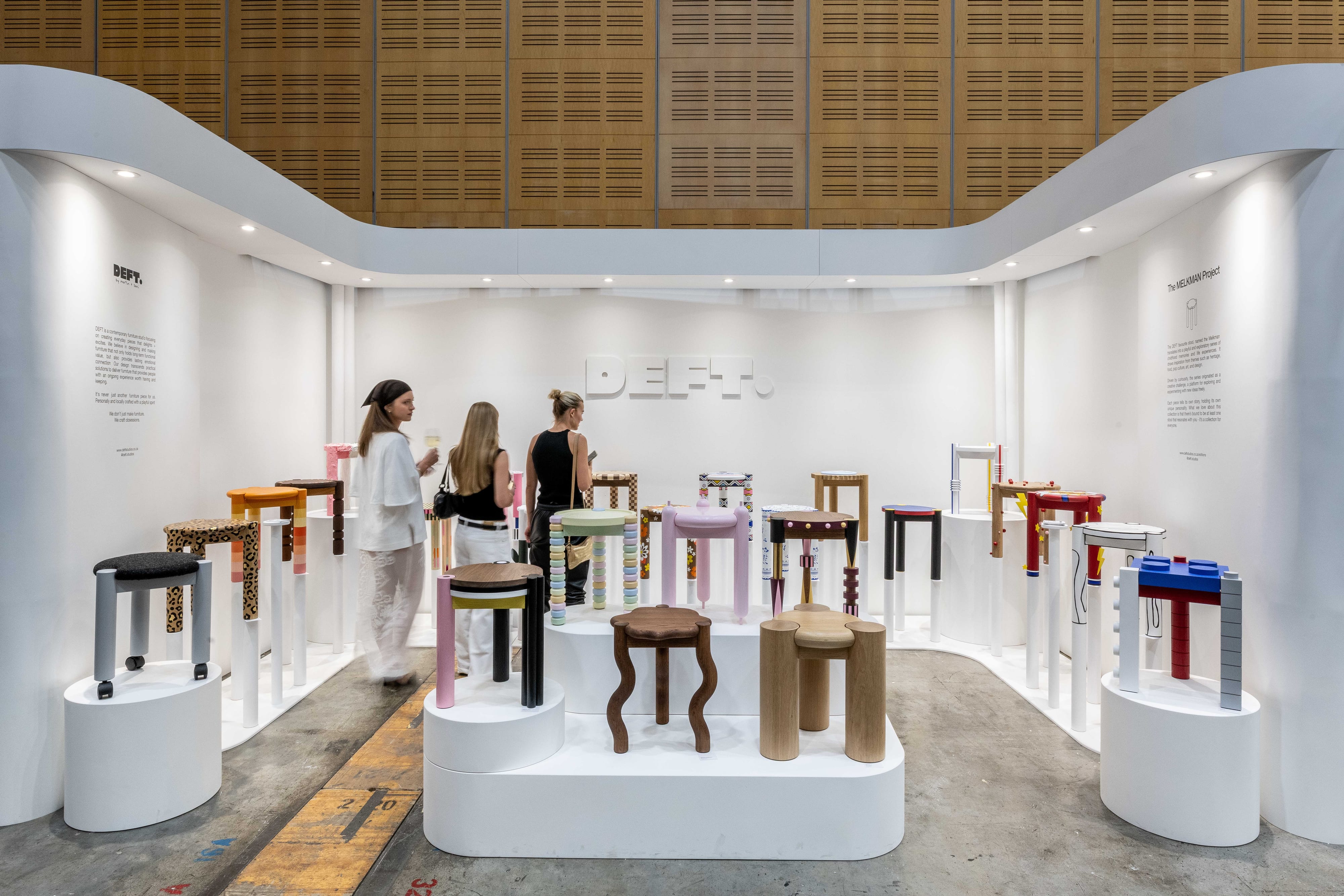
A section dedicated to conscious design and craft, Capsule presents objects and products that are unique, innovative and mindfully made. These pieces reflect care and skill, and celebrate design as both functional and expressive.
A