Mapping The Neighbourhood | Map 5
We explore across different cities to understand how contemporary art galleries are informed by their surrounding spaces.
In our ongoing Mapping The Neighbourhood series, we encounter different contemporary art galleries and navigate the contexts and environments that influence the work these galleries do.
Throughout the international contemporary art community, gallery spaces conduct vital cultural work which supports artists and creative communities. Their locations provide contexts which help to shape this work, too. Whether situated in a quiet pocket of a bustling inner-city or operating in an artistic hub among a collection of warehouses, we explore different contemporary galleries by mapping their surrounding cities and districts to better understand the many parts of our global art neighbourhood.
This month, we’re focusing on Reiners Contemporary Art (Marbella, Spain), Galerie Caroline O’Breen (Amsterdam, Netherlands), Double V Gallery (Paris and Marseille, France), kumalo | turpin (Johannesburg, South Africa), Livingstone Gallery (The Hague, Netherlands and Berlin, Germany), and artHARARE (Cape Town, South Africa).
REINERS CONTEMPORARY ART
Marbella, Spain
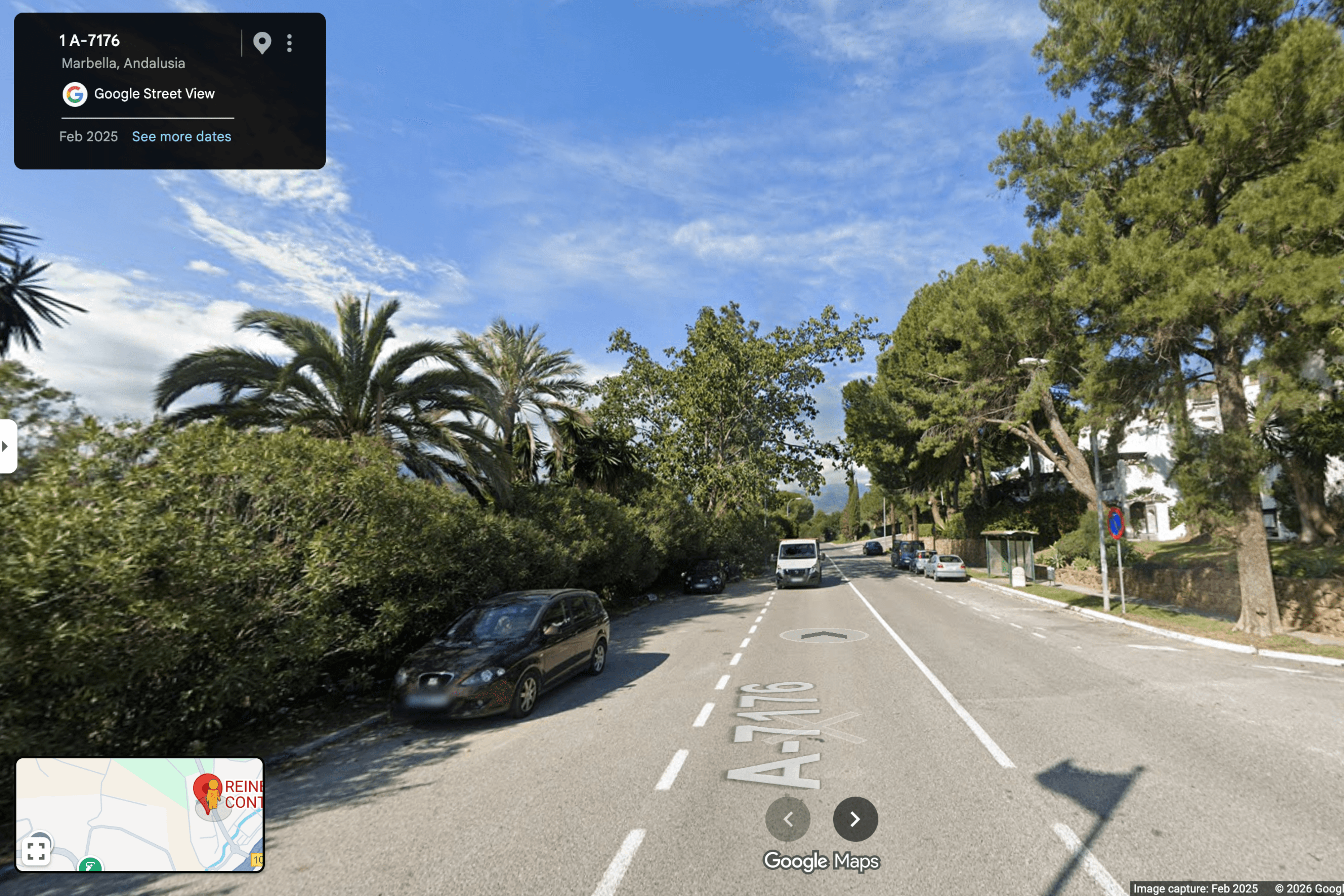
ON THE MAP | Set on land known as a finca in Spanish, Reiners Contemporary nestles its contemporary work within a bucolic pocket of agricultural land in Marbella. Image courtesy of Google Maps 2026.
Working with both emerging and established artists, Reiners Contemporary Art creates dialogues between Latin America, Europe, and Africa from its secluded, tree-surrounded gallery space on an estate with much natural beauty.
The gallery generally represents artists whose practices engage with memory, identity, materiality, and cultural transformation through its programming, which includes exhibitions, international art fair presentations, and longer-term curatorial projects.
Flor Reiners, the gallery’s founder who originally hails from Brazil, reflected on the gallery’s location and how this influences the spirit of its cultural work: “Our gallery is located in a private finca in Marbella, in a setting that is quite distinct from the traditional urban gallery model. The space is composed of different architectural and natural environments, including La Caballeriza, our main exhibition hall, and La Ermita, a former chapel that we use for more contemplative projects. The surrounding garden, olive trees and Mediterranean landscape are an important part of the experience, allowing visitors to encounter contemporary art in a slower, more intimate and site-sensitive context.”
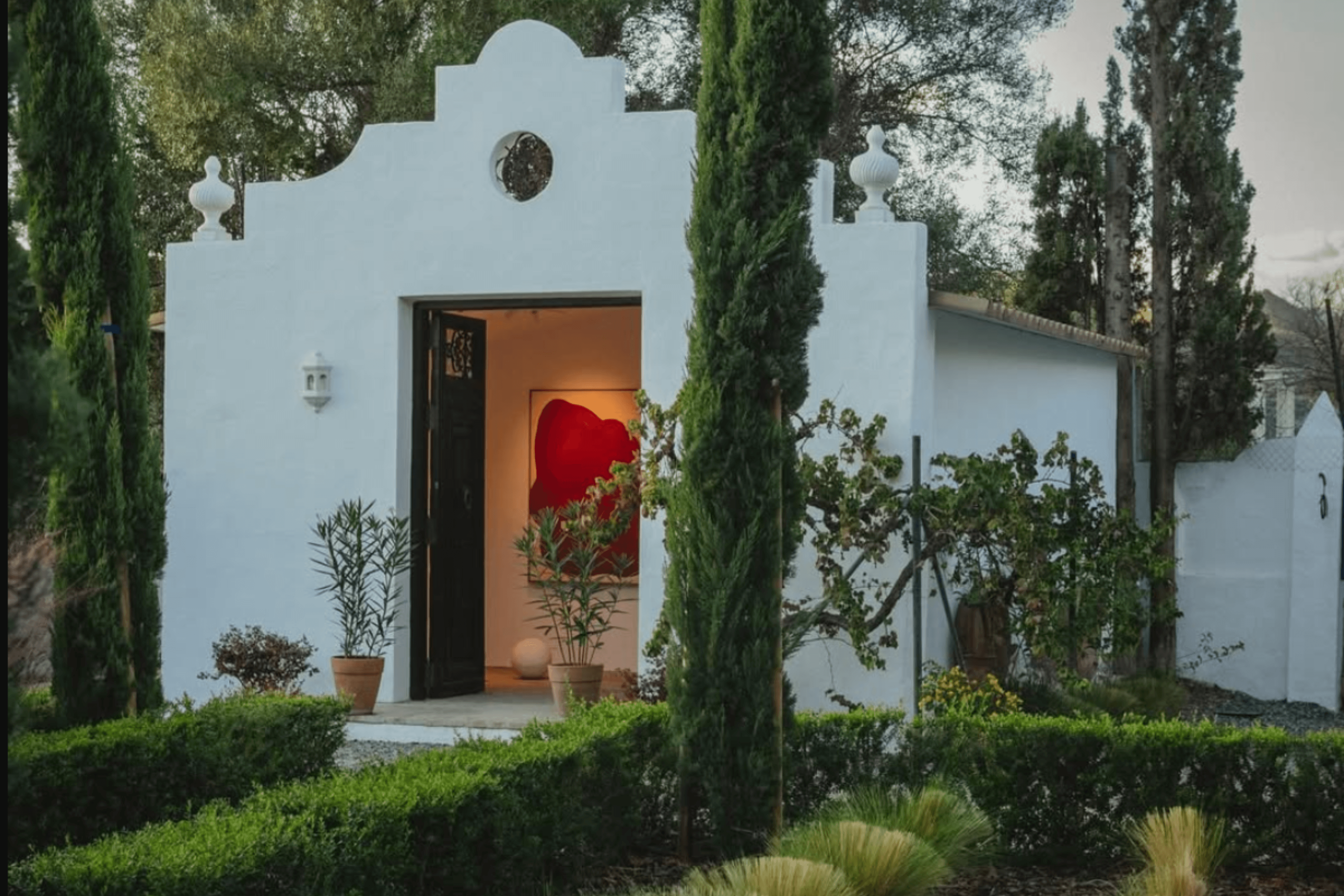
The lush greenery of the finca echoes the gallery’s work of growing and blossoming artists’ careers through a distinctly international approach across much of its operations. Image courtesy of Reiners Contemporary Art.
These natural settings inform a way of working that sustains meaningful global dialogues, and supports the gallery’s aims to expose artists from various parts of the world to European markets and international institutions.
Marbella’s cultural ecosystem looks a little bit different from what one might expect in a different city in Spain, as Flor explains: “Marbella is not a conventional art district in the sense of a large metropolitan centre, but this is precisely what makes our location meaningful. The city sits between the Mediterranean and the mountains, with a strong international community and a growing interest in culture, collecting and contemporary art. From this context, Reiners Contemporary Art proposes a different rhythm of engagement: visits are by appointment, allowing us to offer a more curated and personal experience, where the dialogue between artwork, architecture and landscape becomes central.”
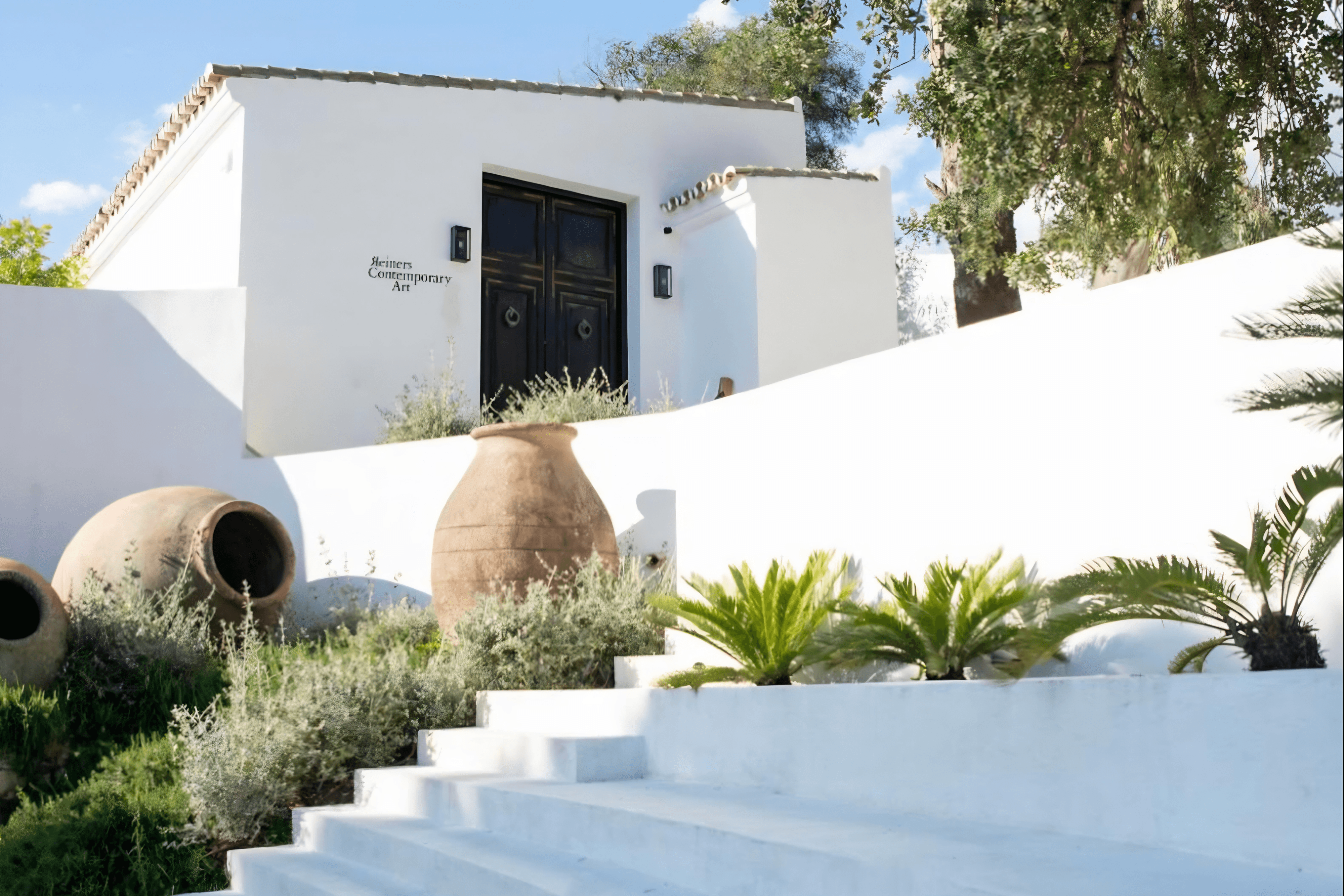
While bursting with natural beauty, the space maintains a calm landscape conducive to deep listening and meaningful making. Image courtesy of Reiners Contemporary Art.
Reiners Contemporary Art’s contemporary conversations are given the space to breathe and expand as they are held by the gallery’s surrounding green environment.
GALERIE CAROLINE O’BREEN
Amsterdam, Netherlands
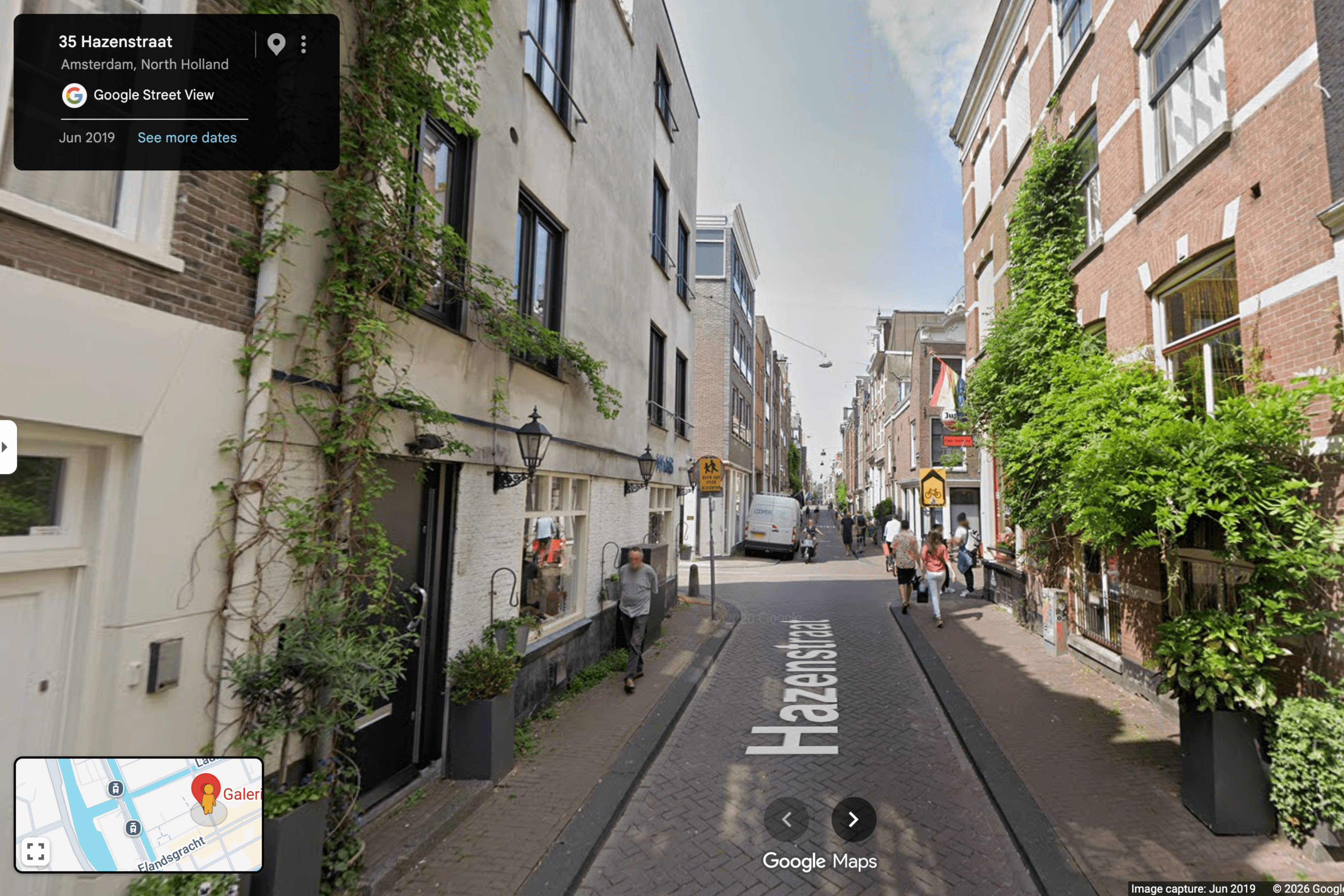
ON THE MAP | Galerie Caroline O'Breen is found in the tight-knit gallery community in Amsterdam's Hazenstraat. Image courtesy of Google Maps 2026.
Galerie Caroline O’Breen nurtures relationships across both its represented artists and other creative spaces to create a collaborative gallery space for both emerging and mid-career artists.
Founder Caroline O’Breen: “The location of the gallery in the Hazenstraat is of great importance to us, a quiet street in the heart of Amsterdam that quietly holds one of the city's most concentrated gallery districts, seven galleries within a single block. It is a neighbourhood built around art, and that density is not incidental to how we work. It shapes the rhythm of the gallery: the shared openings, the conversations that spill from one doorway to the next, the sense that something is always happening here.”
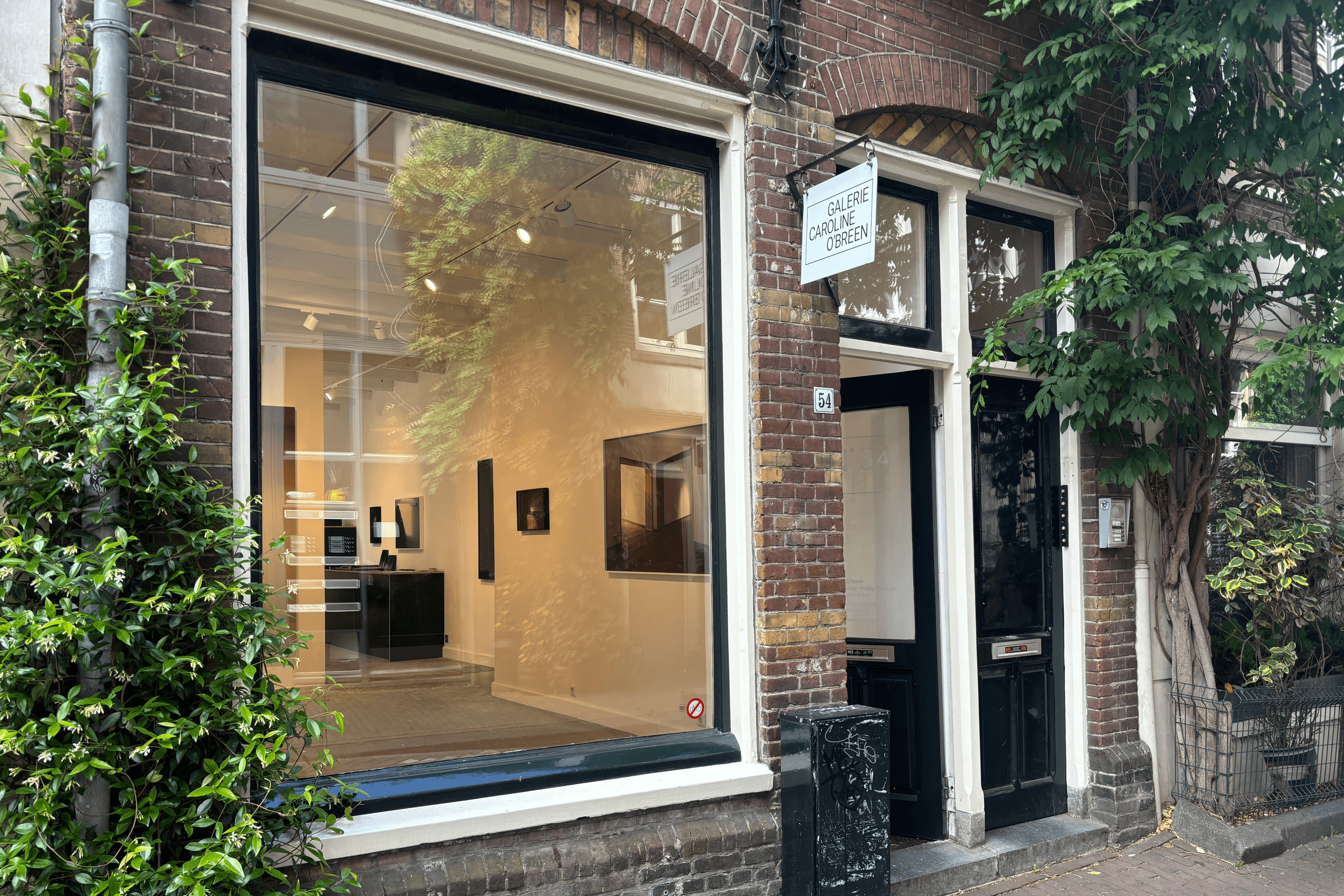
Moving to its aforementioned rhythm, Galerie Caroline O’Breen offers a dynamic programme of exhibitions and international fair presentations, with a particular reputation for photography, but it does represent artists across other mediums too. Image courtesy of Galerie Caroline O'Breen.
Maintaining close and ongoing relationships with these artists, the gallery presents works that make innovative use of experimenting with different materials and techniques, often emerging from a starting point in photography and bridging conceptual and research-based approaches.
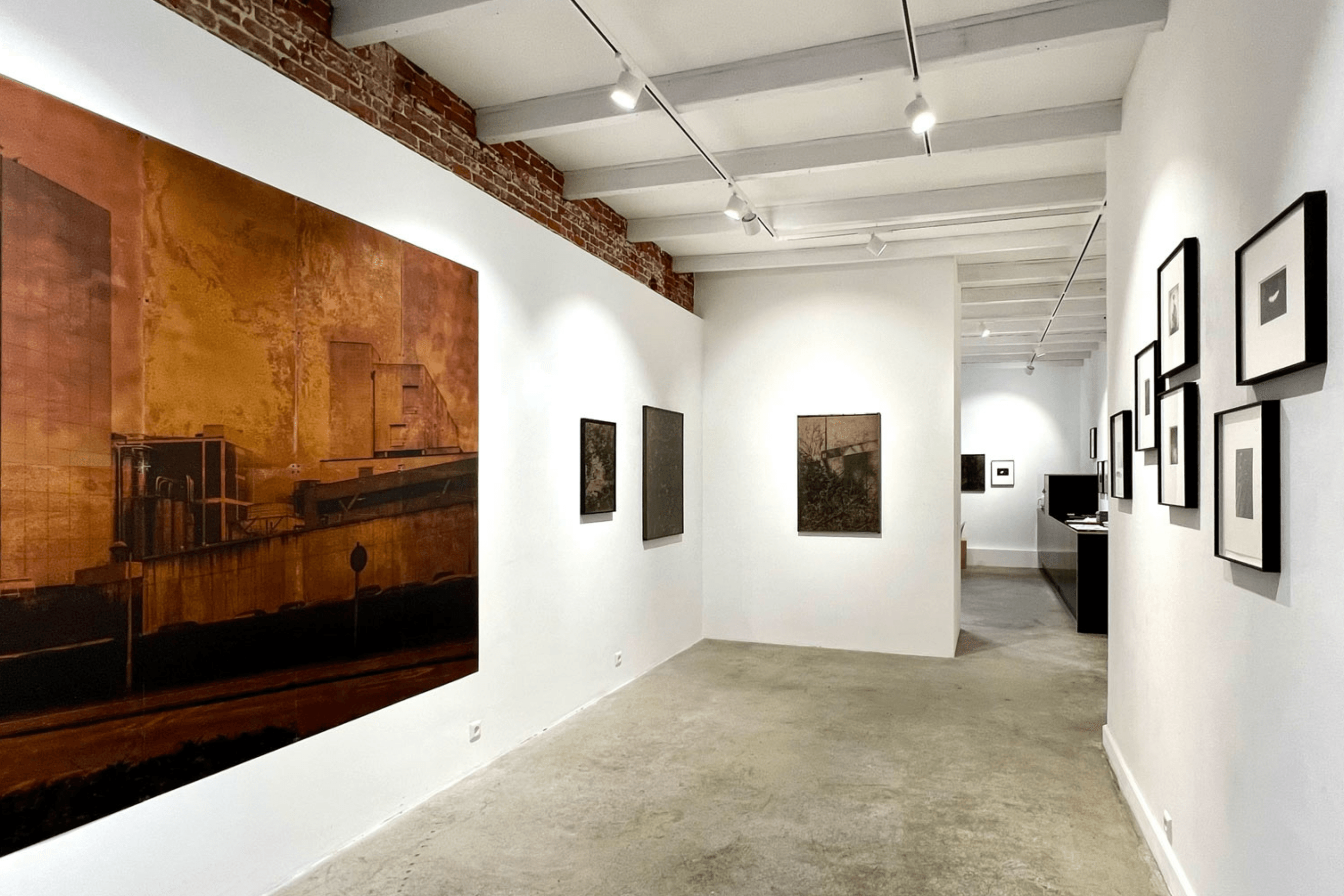
Such a celebration of different disciplines coming together reflects the gallery’s commitment to building community and strong artistic networks, both in the Netherlands and across the world. Image courtesy of Galerie Caroline O'Breen.
“We try to create a dynamic atmosphere of openings and activities and are always trying to connect with collectors and art enthusiasts. We cultivate those relationships over time, because we believe that living with art, and understanding it, is an ongoing experience rather than a single encounter.”
DOUBLE V GALLERY
Paris and Marseille, France
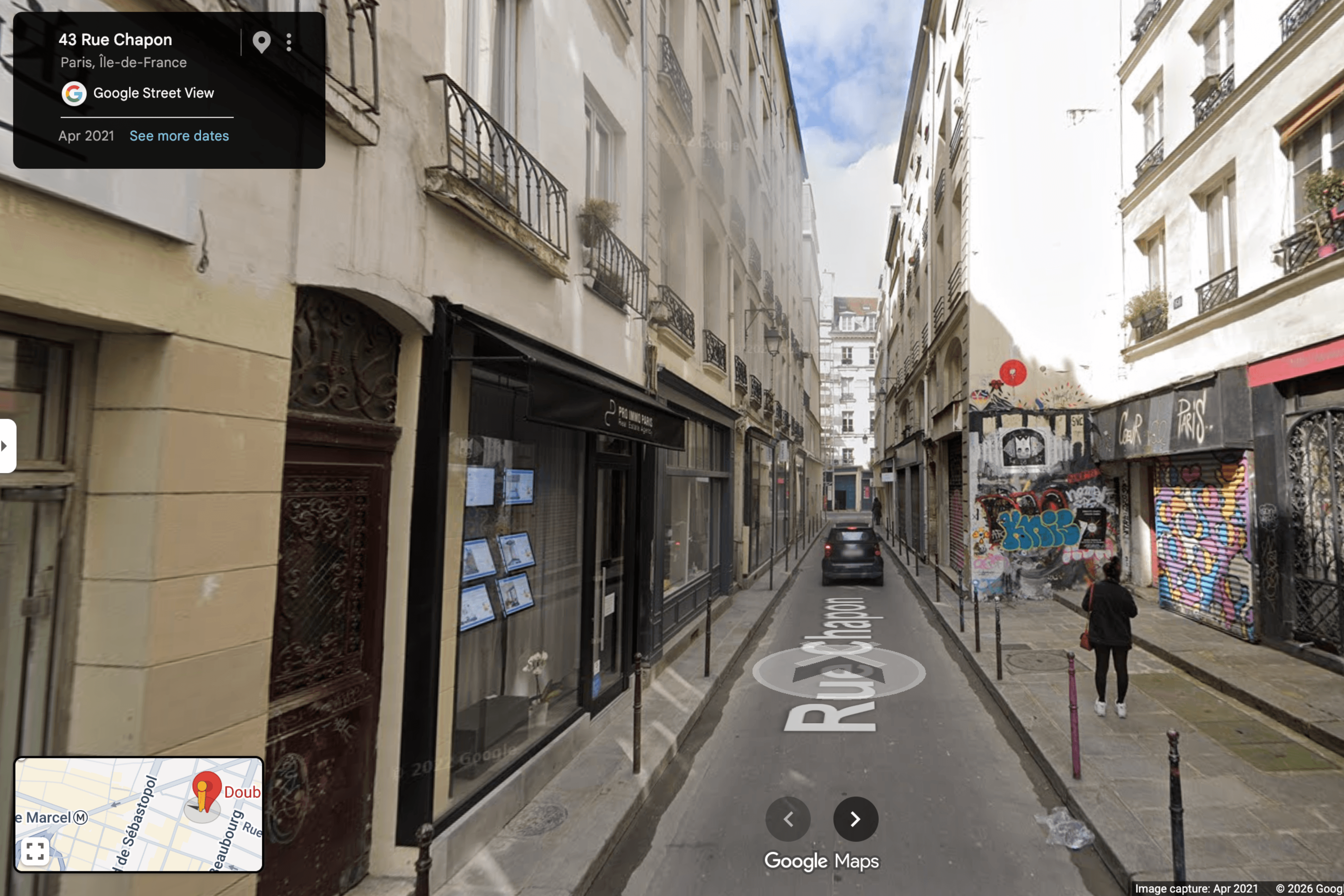
ON THE MAP | Double V Gallery was founded in 2017 in Marseille before expanding into a second space in France’s capital city, pictured here, in 2021. Image courtesy of Google Maps 2026.
Bridging both the historic and contemporary sentiments of the two cities, Double V Gallery's Marseille space is housed in the former residence of the iconic French playwright and poet Edmond Rostand, while its Paris space is located close to cultural spaces like the Centre Pompidou.
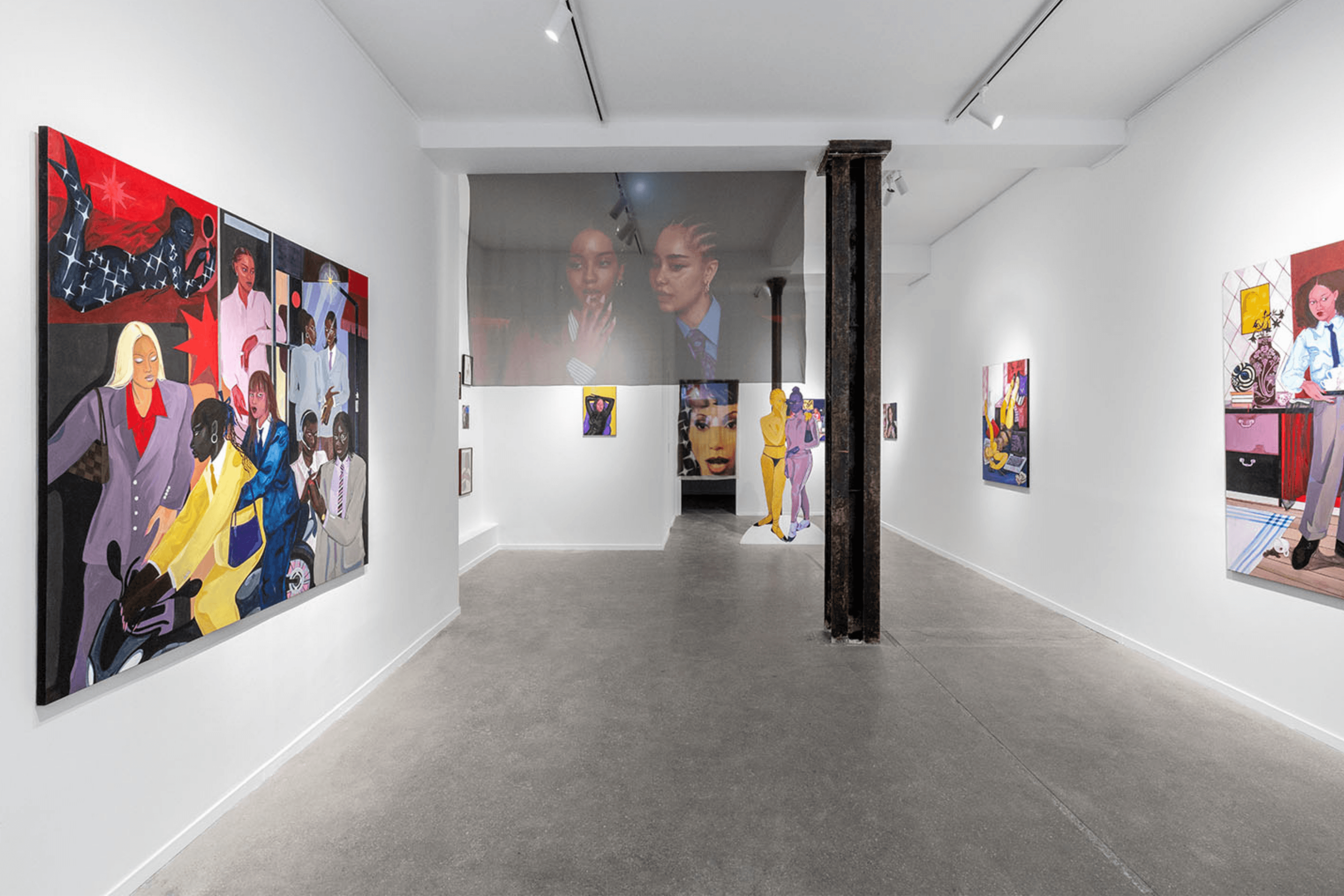
As the gallery and its director, Nicolas Veidig-Favarel, reflect: “Double V Gallery is conceived as a distinctive exhibition space where artistic practices, generations, and artists at different stages of recognition coexist and engage in dialogue…"
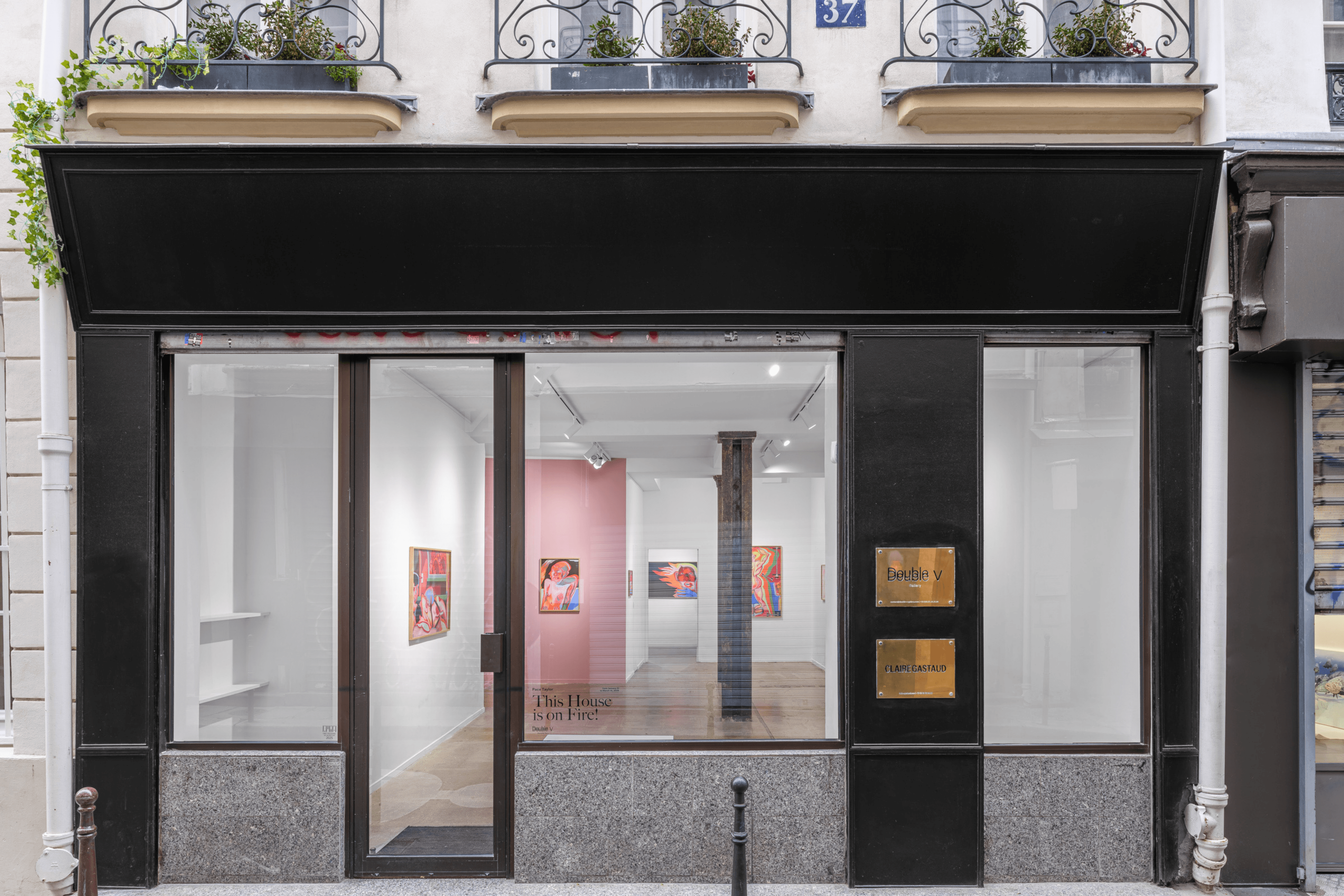
The gallery's identity is characterised by its Mediterranean heritage. Image courtesy of Double V Gallery.
"Driven by a pursuit for harmony between the conceptual and poetic dimensions of an artist's practice and a strong commitment to craftsmanship, Double V gallery develops long-term relationships with the artists it represents. This enduring commitment is reflected in its sustained collaborations with artists such as Alice Guittard, Manoela Medeiros, and Maximilien Pellet, among others.”
The gallery’s programming supports emerging and established artists from France and the international contemporary art community, working across a wide range of media and disciplines.
In Paris, the gallery is located on Rue Chapon, a historic street in the Marais district. Along Rue Chapon, the 400-metre-long street has art galleries, design studios, and historic townhouses which stand side by side. Image courtesy of Double V Gallery.
Double V Gallery thus integrates into the unique environment of a street where Parisian architectural heritage meets contemporary creation. The gallery now contributes to the artistic identity of Rue Chapon, where artists, visitors, collectors, art professionals, journalists, and curious passersby mingle throughout the day.
Across its two spaces in France, Double V Gallery contributes to the cultural landscapes of both Paris and Marseille, integrating French history within contemporary discourses with great international reach.
KUMALO | TURPIN
Johannesburg, South Africa
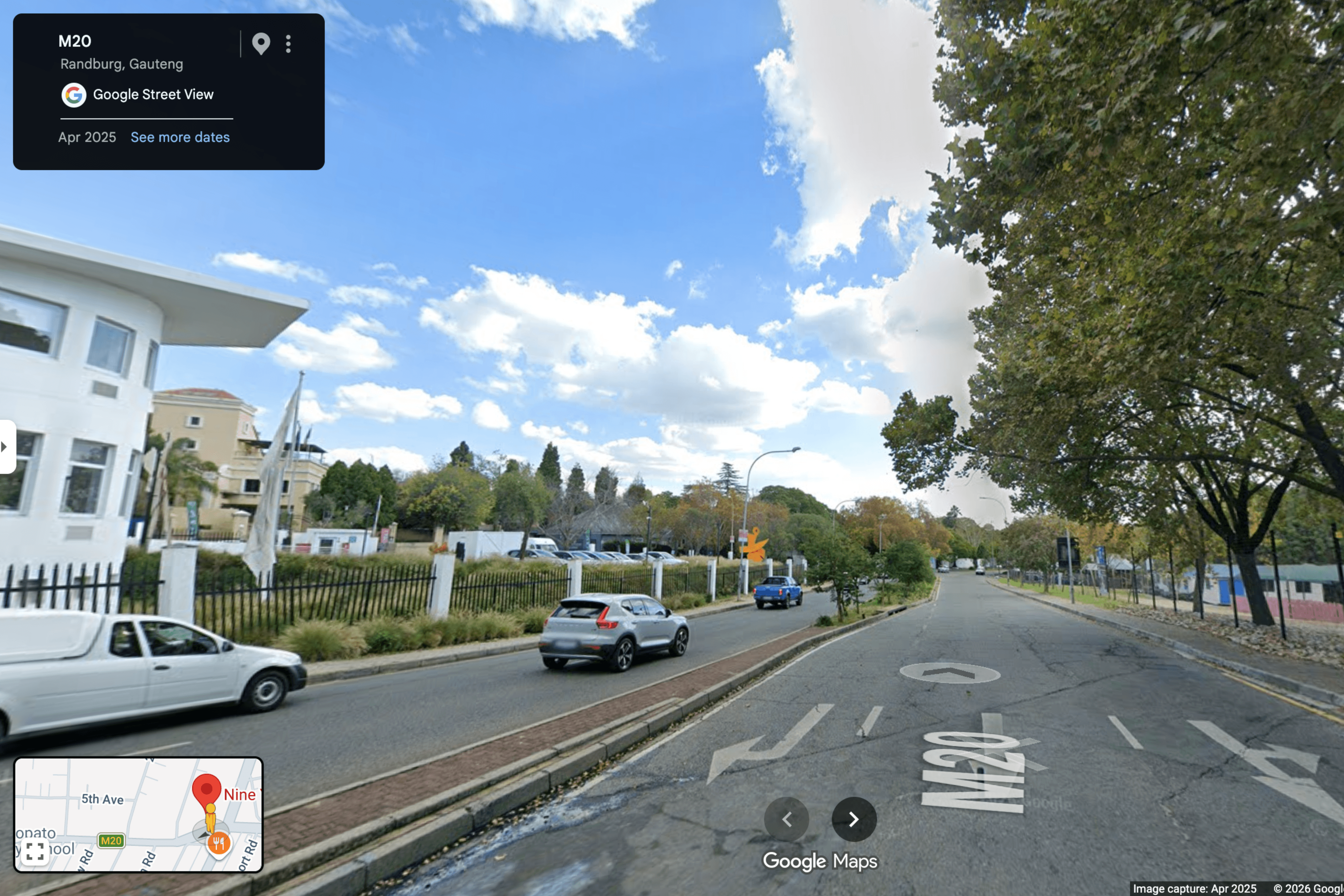
ON THE MAP | kumalo | turpin is one of Johannesburg's new galleries on the block. Image courtesy of Google Maps 2026.
After opening as a gallery in 2025, kumalo | turpin recently inaugurated its space in Nine Yards, in a commercial and green square in the bustling Johannesburg suburb of Rosebank.
The new contemporary art space was founded by Zanele Kumalo and M.J. Turpin, with the intention of exhibiting the incoming generation of leading artists hailing from the Global Majority, with a particular focus on themes of equity, experimentation, and socially engaged practice.
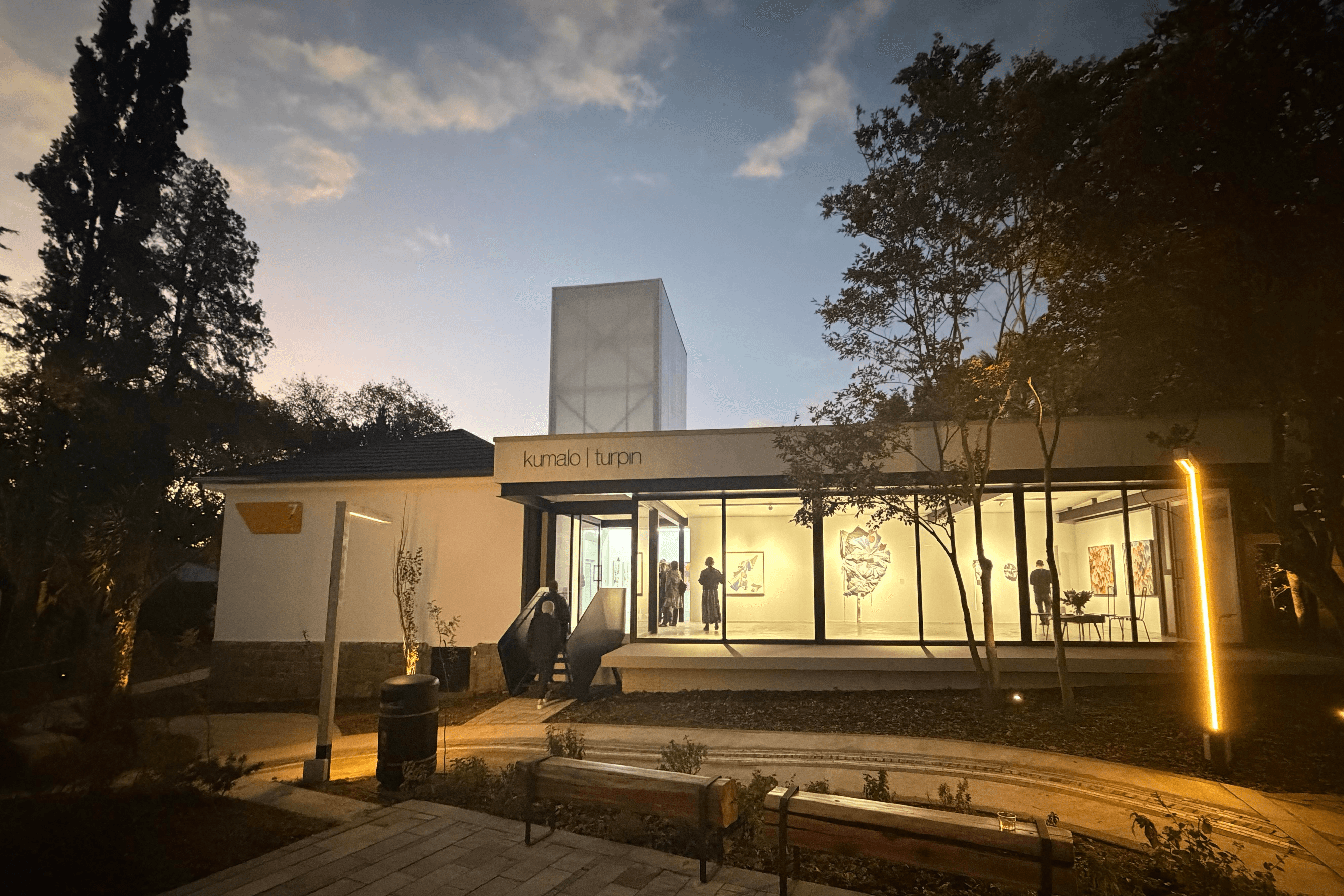
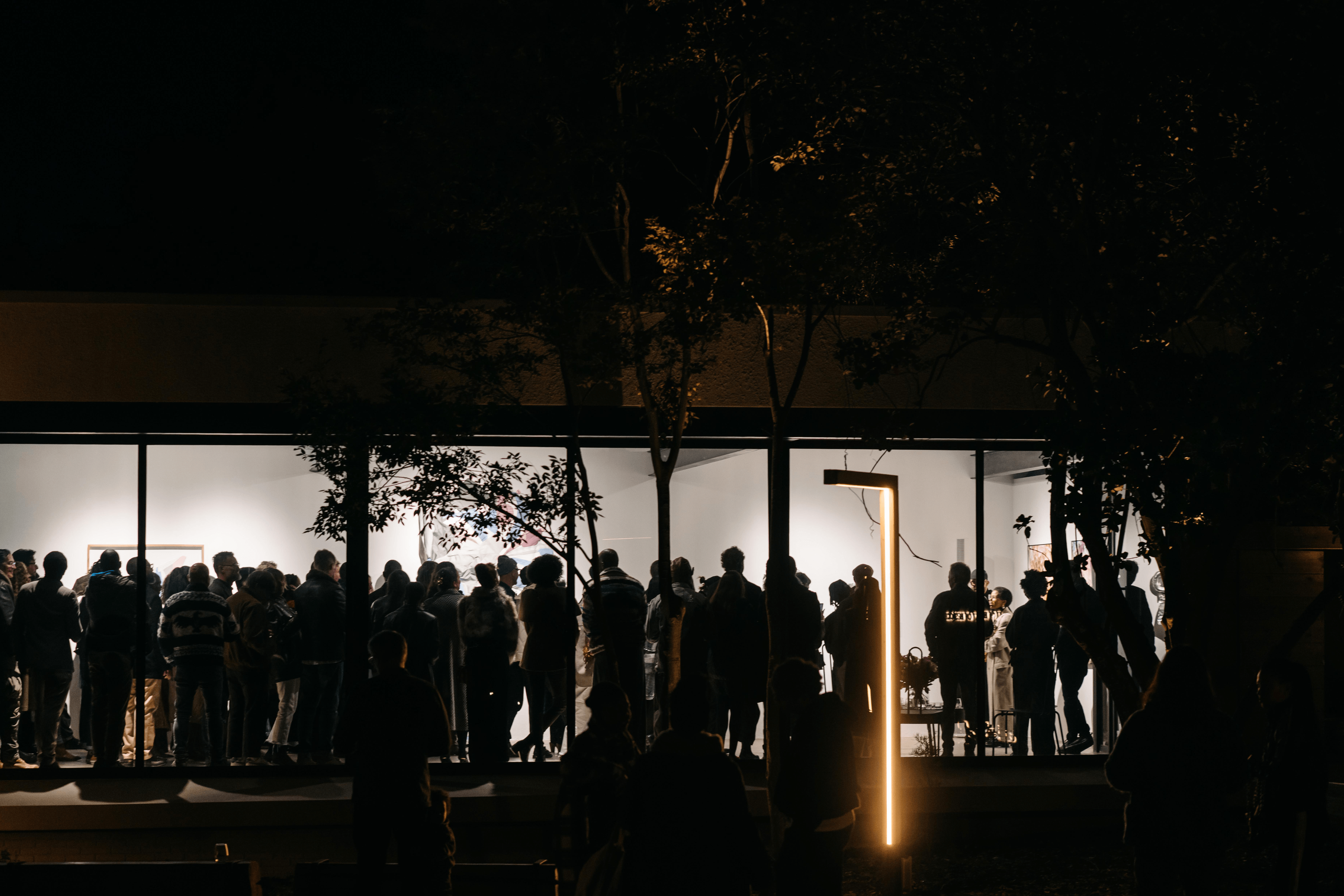
kumalo | turpin's new space is home to artists reimagining conversations around global power dynamics and resulting creative identities. Image courtesy of kumalo | turpin.
As the founders reflect: “With a focus on artists whose work challenges dominant narratives and reflects global concerns, the gallery presents a programme designed to amplify previously-excluded voices in today’s society. Through a dynamic range of exhibitions, residencies, and public programming, kumalo | turpin supports artists at pivotal moments in their careers—offering space to reflect, disrupt, and engage.”
The gallery is shaped by the cultural richness generated in its own city: “Rooted in Johannesburg’s legacy of creative resistance, kumalo | turpin fosters cross-cultural dialogue and critical inquiry. The art space works fluidly across disciplines, and between emerging and established voices, to shape a platform that is both locally grounded and globally connected.“
kumalo | turpin is located in Nine Yards, which is a novel retail precinct in Rosebank that is walkable and shaped by urban lifestyle concepts centring on art and design. Image courtesy of Google Maps 2026.
Rosebank is a bustling creative system in its own right: “Rosebank is a suburb that has organically become a central arts and culture hub over the past couple of decades. We're located across the road from the Goodman Gallery, a short walk from David Krut, Gallery MOMO, Everard Read, or BKhz, and a quick drive from the Standard Bank Art Labs. A little further away but still off Jan Smuts, we have the great initiatives of Roger Ballen's Inside Out Centre, the Joburg Contemporary Art Foundation (JCAF) and the Artist Proof Studio. Continuing down Jan Smuts Avenue into Braamfontein, we have the Wits Art Museum and the Origins Centre that regularly host exhibitions activated by educational programmes, and also close to the UJ Art Gallery on their Kingsway Campus. But if you continue straight over the Nelson Mandela Bridge, you'll find the Bag Factory, Museum Africa, the Johannesburg Art Gallery (JAG), The Market Theatre, Arts on Main for David Krut's printmaking workshop and the Centre for the Less Good Idea, as well as the Standard Bank Art Gallery.”
LIVINGSTONE GALLERY
The Hague, Netherlands and Berlin, Germany
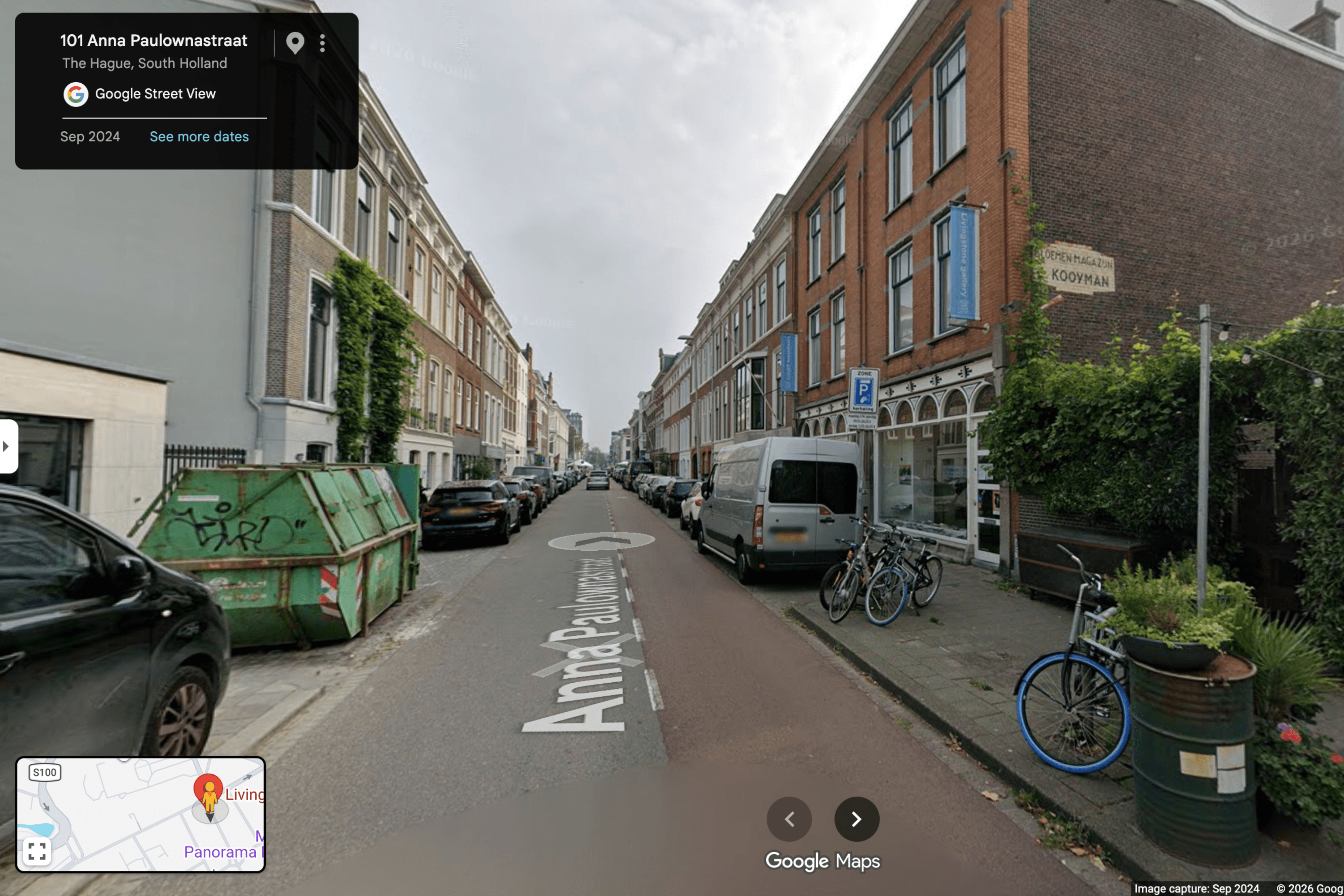
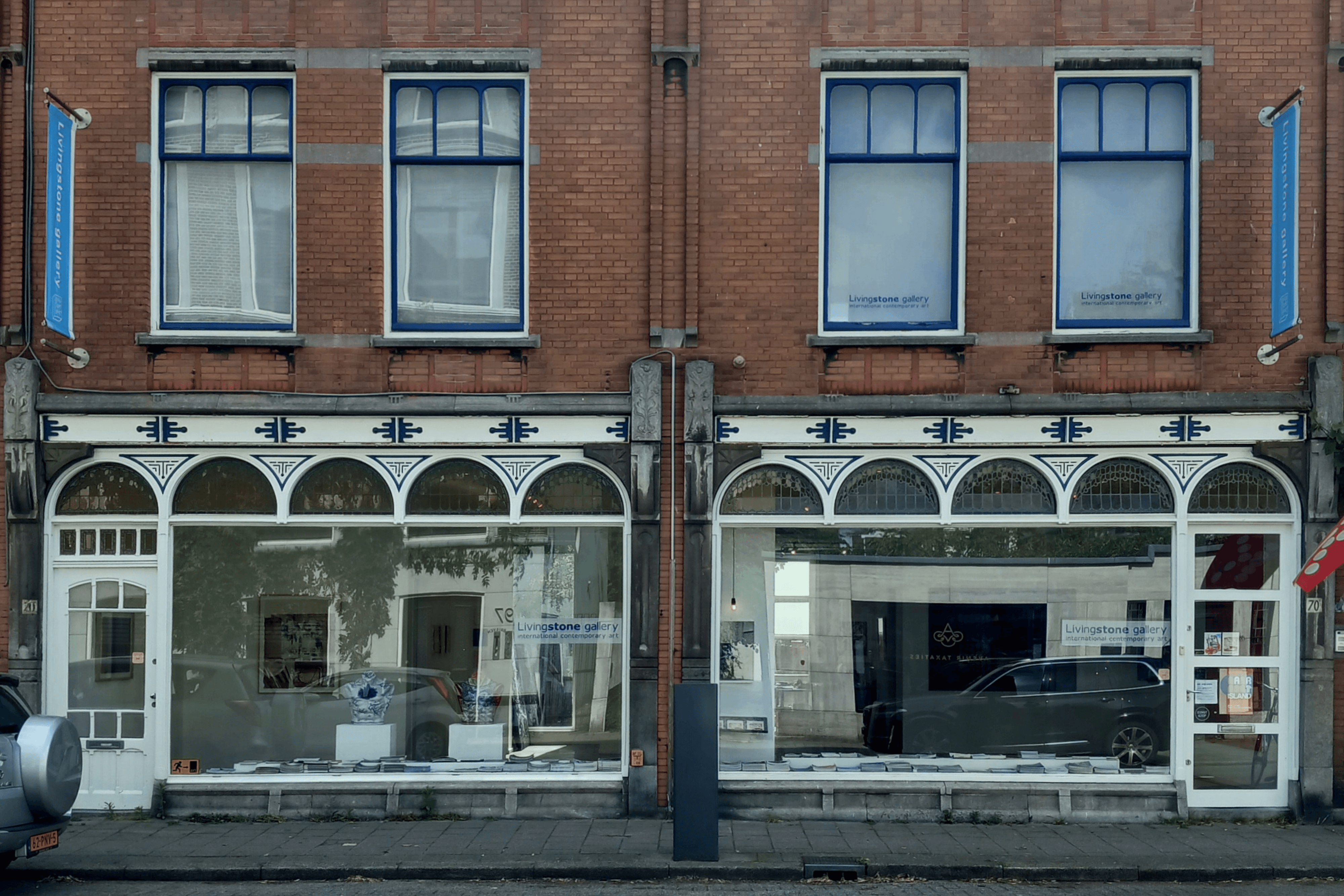
ON THE MAP | Livingstone Gallery celebrates its 35th birthday this year from its gallery space in The Hague.
Driven by a priority to nurture young contemporary artists, Livingstone Gallery is situated in the renowned international and diplomatic city of The Hague, while simultaneously supporting artists in its Berlin project space.
The gallery continues its close work with artists to “confront the new with the established, searching continuity and the experiment”. It focuses primarily on significant practices in contemporary drawing, sculpture and painting hailing from around the world.
Livingstone Gallery’s space in The Hague is centrally located and a short distance from significant art museums and historic institutions, including Mauritshuis, Kunstmuseum Den Haag, and the Peace Palace. Image courtesy of Livingstone Gallery.
Livingstone Gallery's international character is fitting for a city like The Hague, known for its role as a global political city and the home of both the International Criminal Court and the International Court of Justice. As a result, the Dutch city maintains a starkly international character and houses an influx of visitors from across the globe.
For over ten years, Livingstone Gallery has had its second space, Livingstone Projects Berlin, in the German capital. Here, artists can access a platform as both a workspace and an exhibition space, encouraging artists to access Berlin’s rich art community and bridging creative relationships between Germany and the Netherlands.
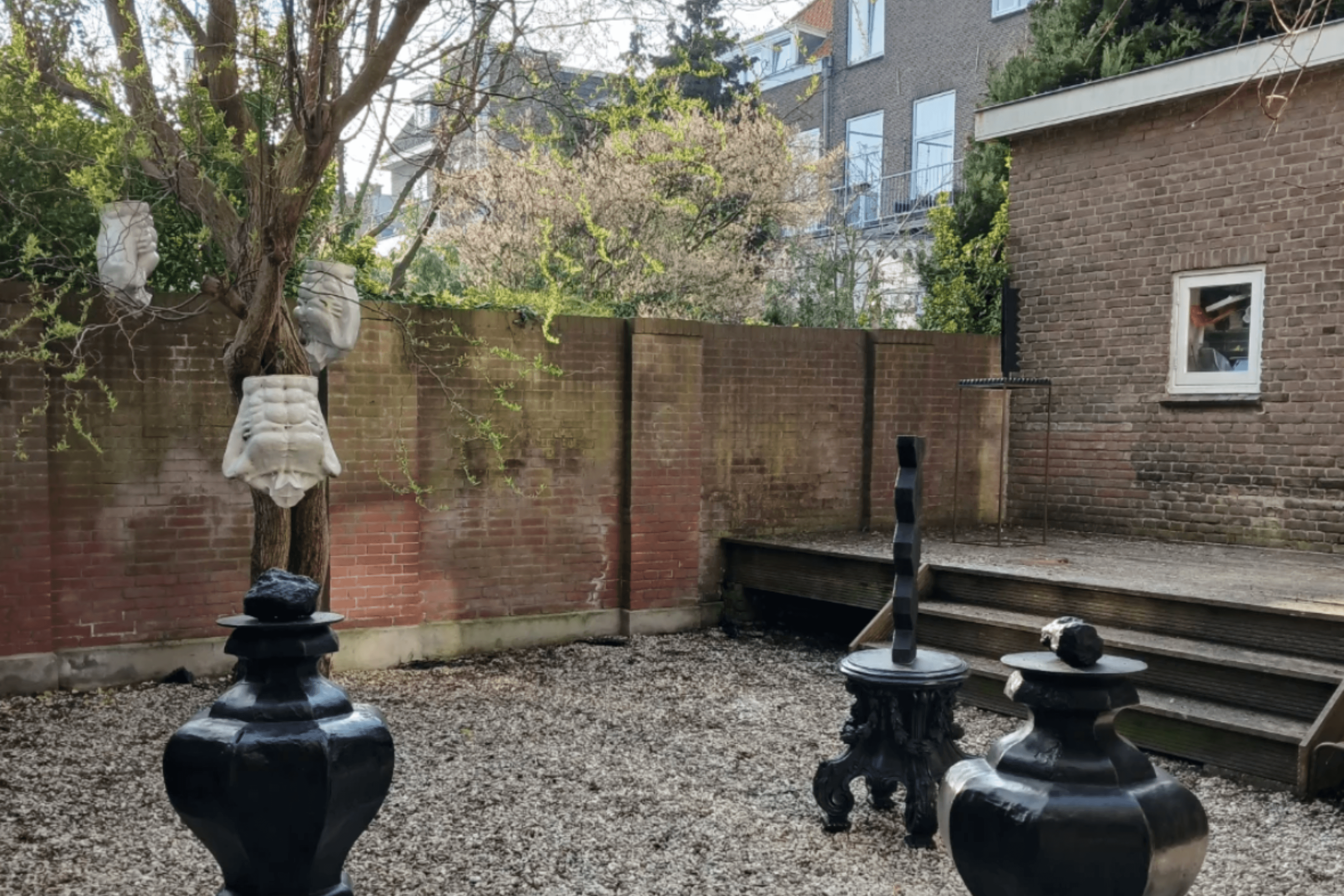
An exhibition taking place in the Livingstone Sculpture Garden, part of its space in The Hague. Image courtesy of Livingstone Gallery.
At the 2026 edition of Investec Cape Town Art Fair, Livingstone Gallery presented works by artist Raquel Maulwurf in our SOLO section. Maulwurf was the first artist to take residency at Livingstone Projects Berlin in 2014. The project space is found amongst restaurants, shops, other art spaces, and many green parks.
Much like the work Livingstone Gallery continues to do, its surrounding spaces in both Berlin and The Hague offer an exciting mix of active cultural landmarks and creative spheres that help in amplifying its artists.
ARTHARARE
Cape Town, South Africa
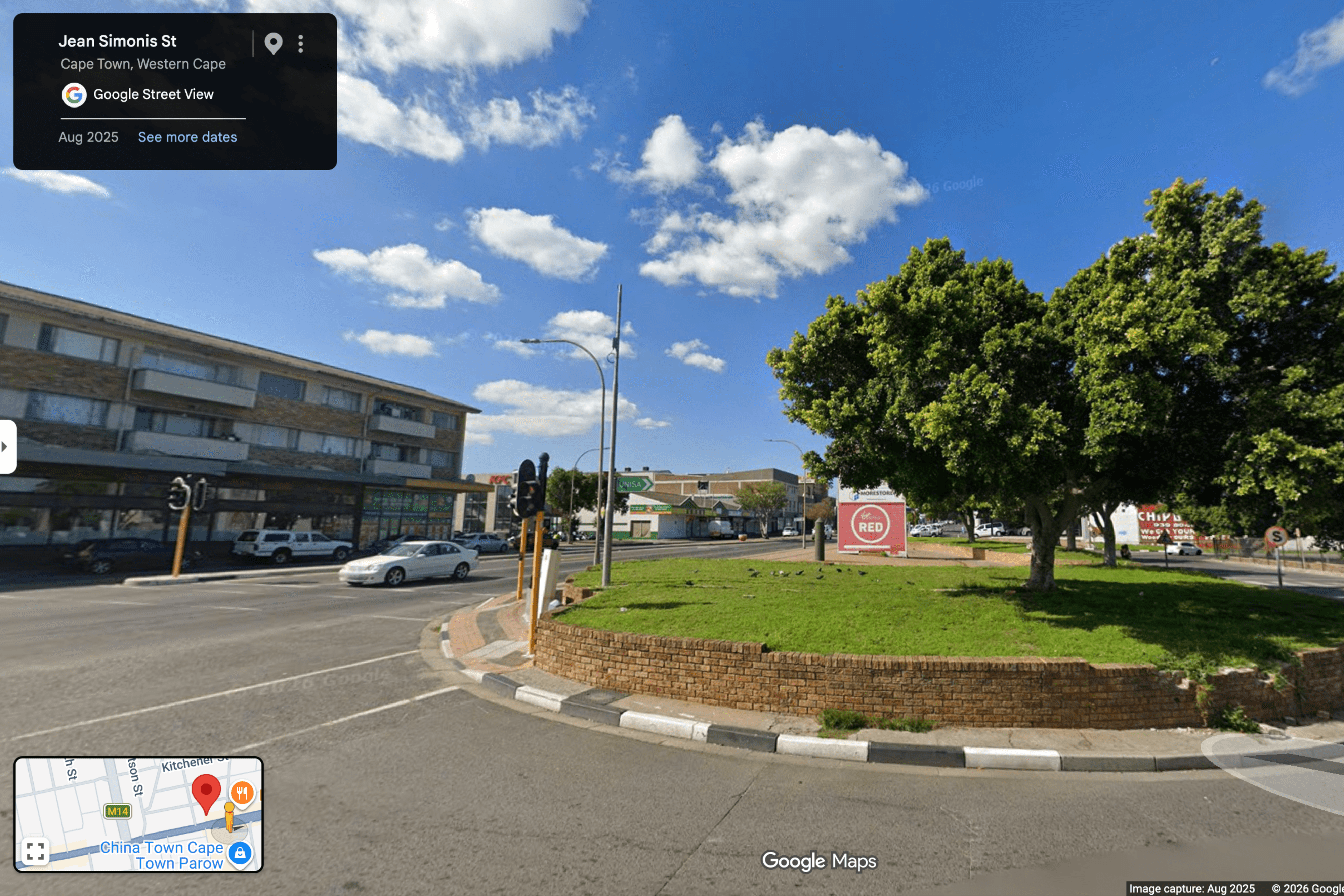
ON THE MAP | After its recent move to the northern suburbs of Cape Town, artHARARE continues to represent the contemporary art practices stemming from Zimbabwe and its diaspora. Image courtesy of Google Maps 2026.
From its new home in a converted mid-century former hotel building, artHARARE presents distinctly Zimbabwean artistic narratives from a neighbourhood with rich architectural and cultural history.
Gallerist Richard Mudariki shared the historic significance of the gallery’s surrounding area of Parow: “Approximately 16 kilometres from the city centre, Parow traces its origins to Prussian ship captain Johann Heinrich Ferdinand Parow, who acquired the land in 1886 following his arrival at the Cape in 1865, and Parow was officially proclaimed in 1901. This historical context resonates strongly with artHARARE’s ethos of collaborating with artists whose practices are shaped by movement, exchange, and evolving cultural identities.”
artHARARE facilitates a variety of crucial African dialogues: supporting meaningful conversations between Harare and Cape Town’s art ecosystems, but also promoting these continental networks to the broader international art community. Through its programme of solo and group exhibitions, as well as participating in major international art fairs, the gallery cements its role as a platform to access and celebrate Zimbabwean contemporary art.
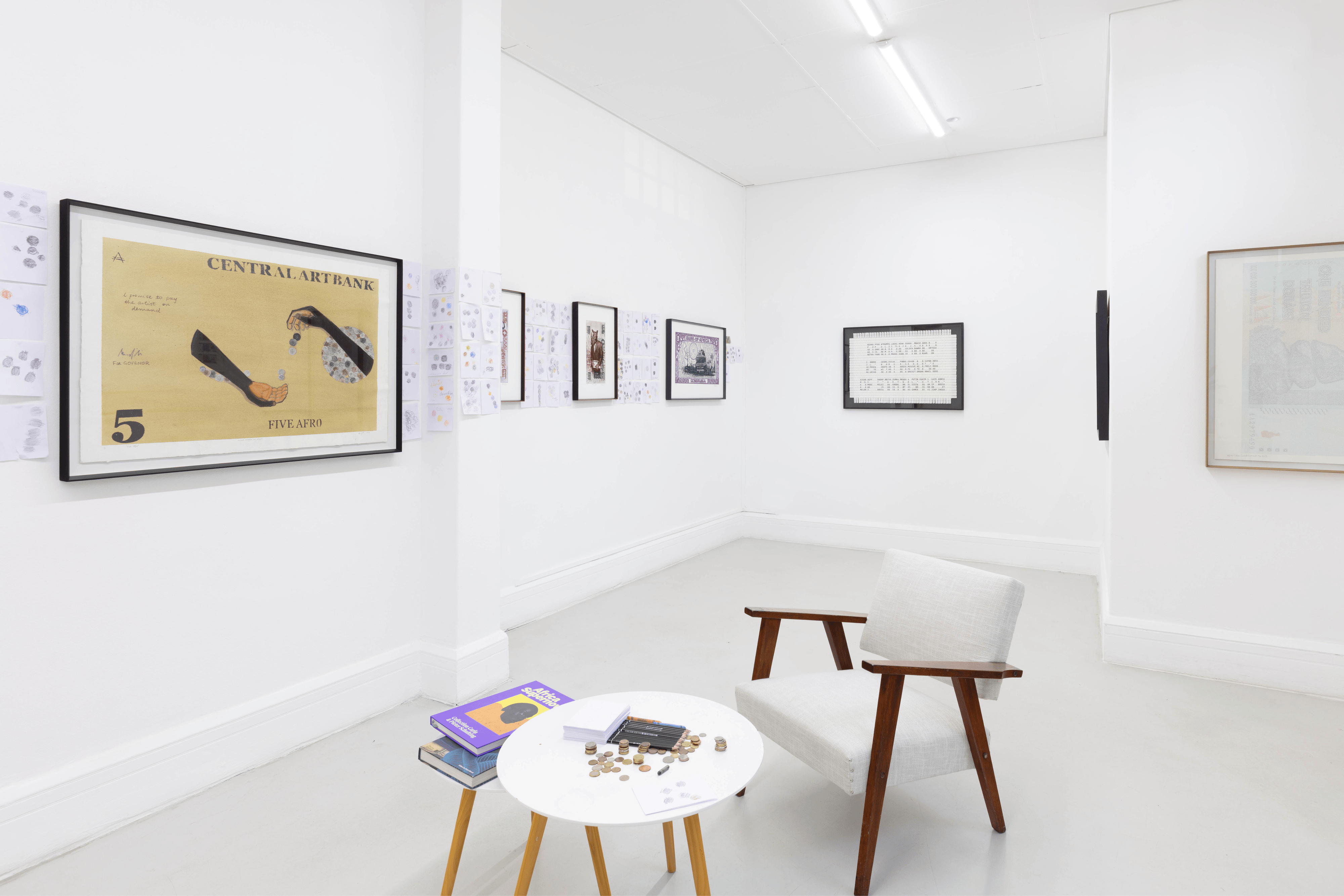
A glimpse into artHARARE's previous space showing the exhibition 'The Reserve Bank of Art'. Image courtesy of artHARARE.
This gallery’s move is reflective of the dynamic energy that the gallery contributes towards contemporary African art discourses by engaging with the concepts and conversations that are central to the lived experiences of Zimbabweans, influenced by current political and social issues. For example, its exhibition The Reserve Bank of Art in 2025, which “explored artistic responses to Zimbabwe’s 2008 currency collapse through historical and contemporary works, including Dan Halter’s celebrated Social Contract, created using Zimbabwe’s iconic 100 trillion dollar banknotes”.
artHARARE places contemporary Zimbabwe in direct conversation with contemporary South Africa. Its brand-new location, steeped in Capetonian history, reflects an exciting movement that will no doubt continue to energise the extensive international exchanges that take place at the gallery.
With gratitude to the teams at Reiners Contemporary Art, Galerie Caroline O'Breen, Double V Gallery, Livingstone Gallery, kumalo | turpin, and artHARARE, who generously provided supporting information and photographs for this story.