Mapping The Neighbourhood | Map 4
This month, we map the galleries and spaces connected by their shared focus in representing contemporary African art
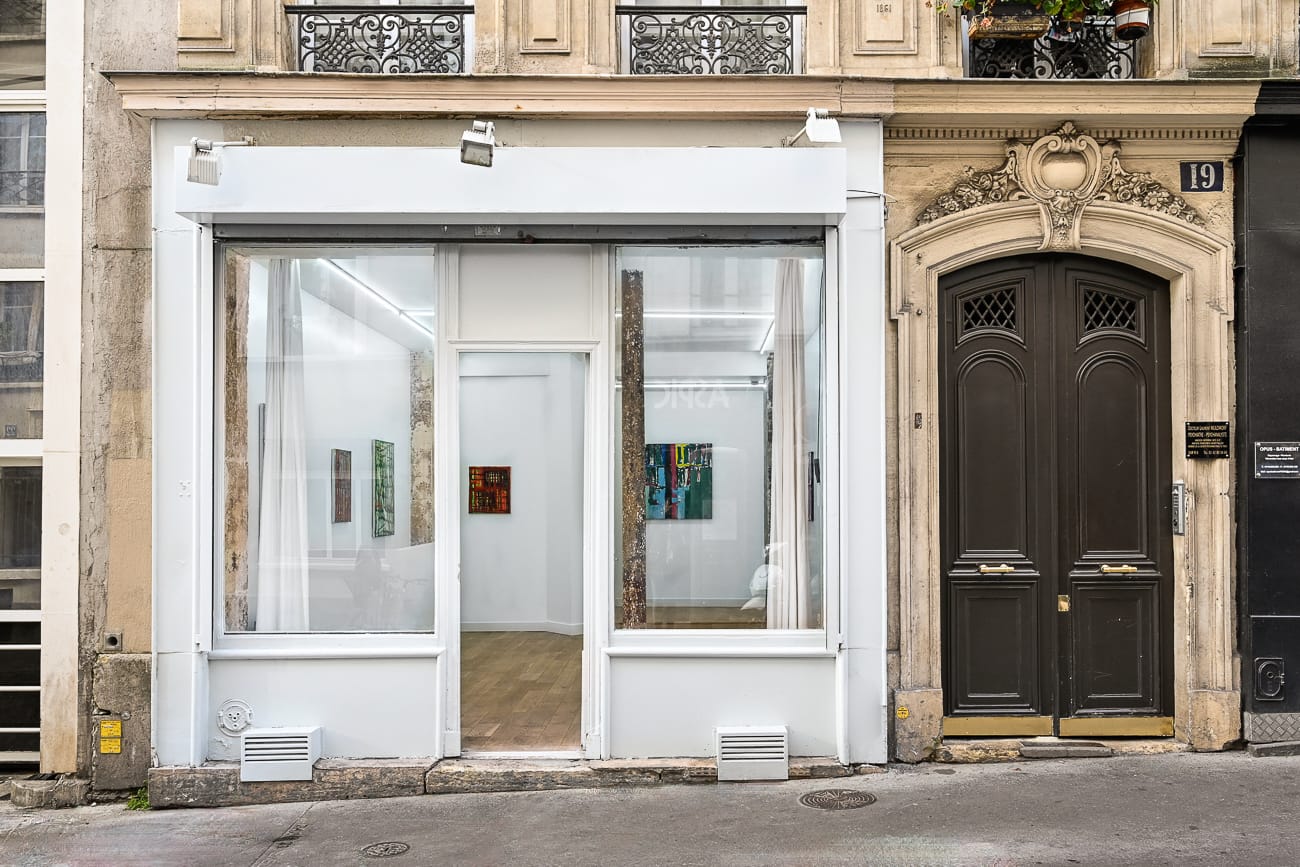
With the month of May globally celebrated as Africa Month, our fourth instalment in our series focuses on members of the global contemporary art community who spotlight the continent through the artists they represent, and the broader work they set out to do.
Our Mapping The Neighbourhood series is our continuous navigation across countries and continents to explore how contemporary art galleries are informed by their surrounding environments.
Across the world, gallery spaces conduct vital cultural work which supports artists and creative communities. Their locations provide contexts which help to shape this work, too. Whether situated in a quiet pocket of a bustling inner-city or operating in an artistic hub among a collection of warehouses, we explore different contemporary galleries by mapping their surrounding cities and districts to better understand the many parts of our global art neighbourhood.
As the largest and leading art fair in Africa, we are celebrating Africa Month by paying close attention to the galleries around the world that are connected by their shared focus on the continent: The Bridge Gallery (Paris, France), Circle Art Gallery (Nairobi, Kenya), First Floor Gallery Harare (Harare, Zimbabwe), Christopher Moller Gallery (Cape Town, South Africa), and THIS IS NOT A WHITE CUBE (Lisbon, Portugal).
THE BRIDGE GALLERY
Paris, France
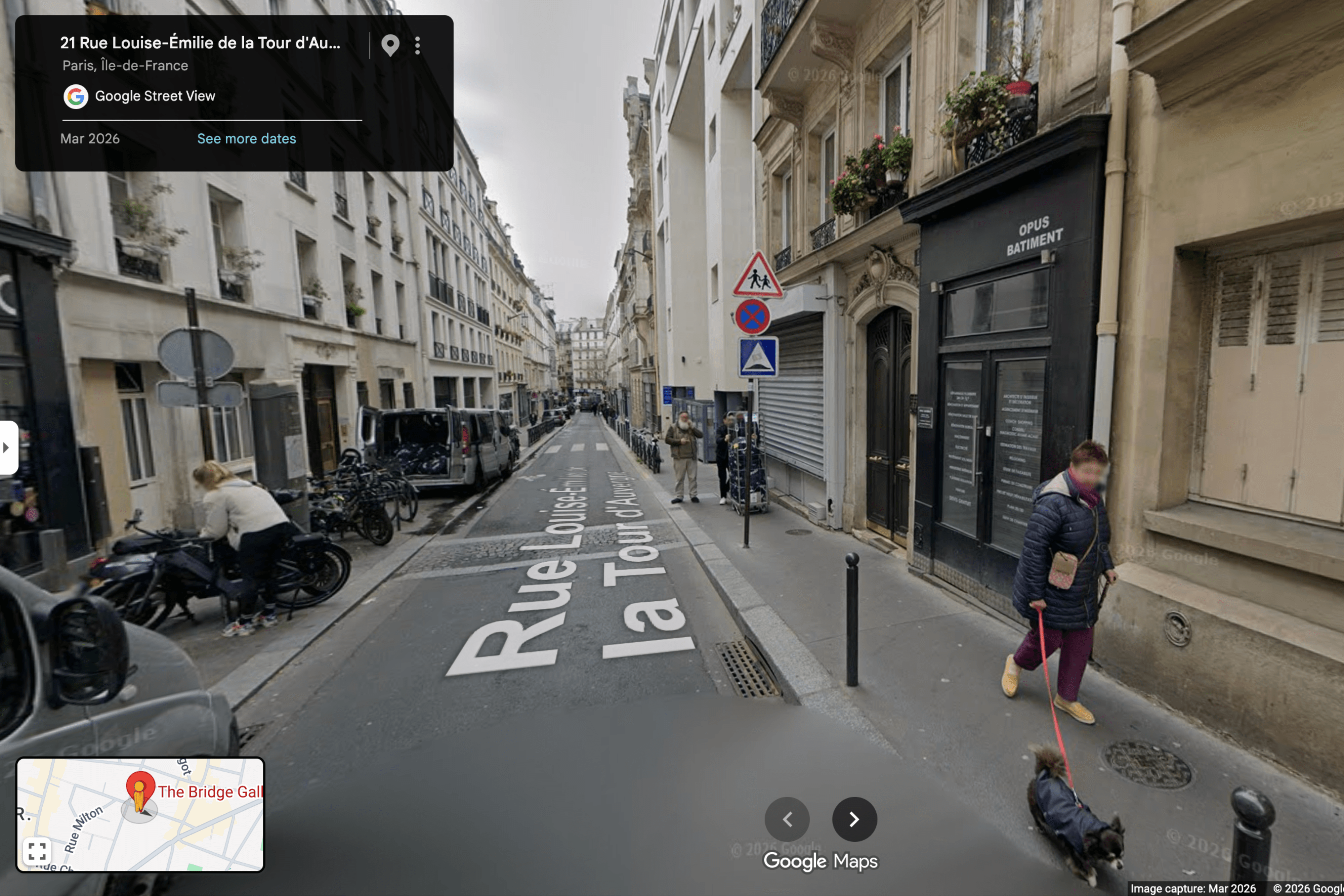
ON THE MAP | The Bridge Gallery is situated in Paris' 9th arrondissement, using its location to promote intercontinental dialogues with a particular focus on Africa and its diaspora. Image courtesy of Google Maps 2026.
Focusing on artists from Africa and its diaspora, The Bridge Gallery promotes emerging and ultra-emerging artists from its Parisian neighbourhood in the 9th arrondissement. As the gallery’s name suggests, the space is a physical and conceptual bridge for important cross-continental conversations that centre African lived experiences and creative voices.
The gallery team explained how the choice to locate its home space in this particular Parisian neighbourhood may come as a slight surprise to some, but it certainly shouldn’t be underestimated or dismissed: “We chose the 9th arrondissement, which isn't necessarily the first neighbourhood that comes to mind when you think of Parisian art galleries. That's precisely what drew us in. It has an energy and a dynamism, a young and constantly evolving character that felt aligned with our own identity. It's a district where new cultural or trendy spots are opening all the time, and where creativity expresses itself in a variety of forms.”
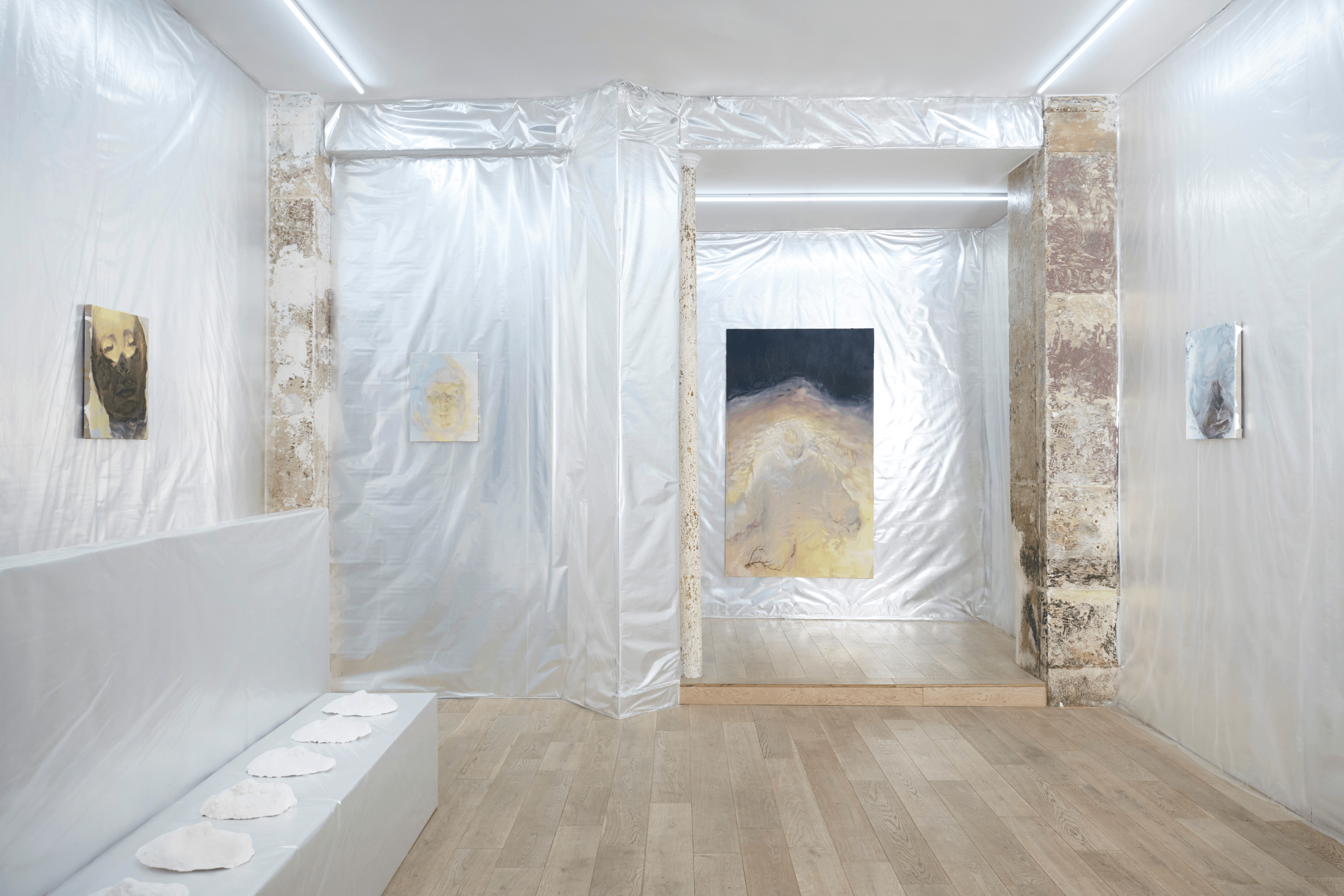
The gallery established its current permanent presence in 2024, turning a design studio into an art gallery. Image courtesy of The Bridge Gallery.
This decision came after a year-long period of operating nomadically. The space’s intentions echo the intentions of the gallery in how it represents African contemporary artists and dialogues: “We often like to see this space as a project room rather than a conventional white cube, somewhere we can go beyond the artwork on the wall and bring something fresh to the contemporary art world for artists from Africa and its diaspora. Artists are, most of the time, invited to take over the space: cover the walls, cover the floor, paint a wall, reconfigure the room…” As the team reflected, the meaningful connections forged through an initial flexibility in geography were helpful to establish before eventually settling into a permanent space where these relationships could continue to evolve.
Located between two significant Parisian art hubs, Montmartre and the Marais, the 9th arrondissement has a longstanding relationship with the art history of the area. The gallery of legendary Impressionist dealer Paul Durand-Ruel was located just a few streets away. The Bridge Gallery is also close to the Fondation Pernod Ricard. Many studios are found in the north of Paris, near the gallery, which ensures important working relationships between the gallery and its artists.
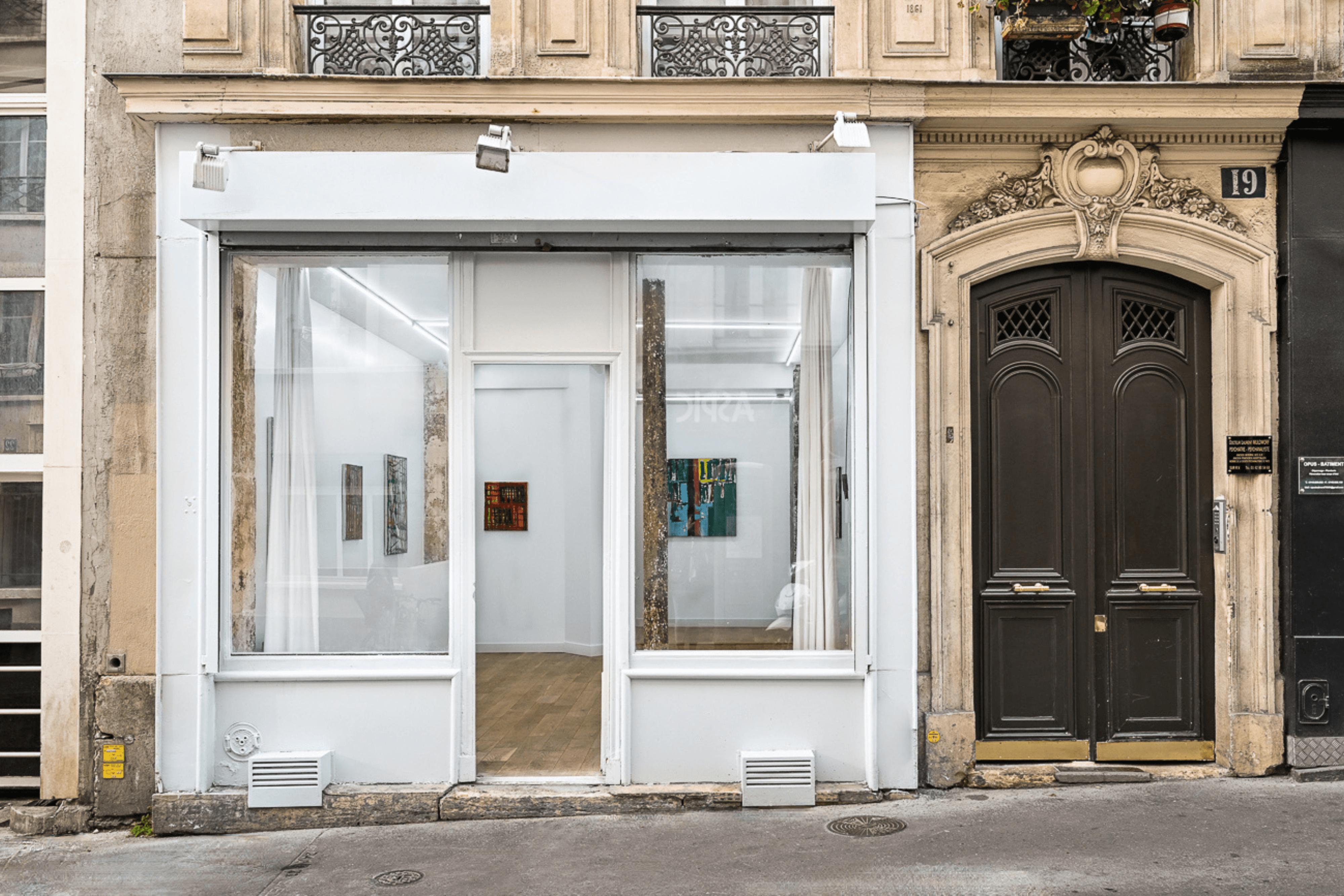
The gallery connects continents to support emerging African voices from its diaspora. Courtesy of The Bridge Gallery.
The Bridge Gallery is informed by layered geographies embodied in its surrounding neighbourhood, playing an important role in bridging African stories across the contemporary art world.
CIRCLE ART GALLERY
Nairobi, Kenya
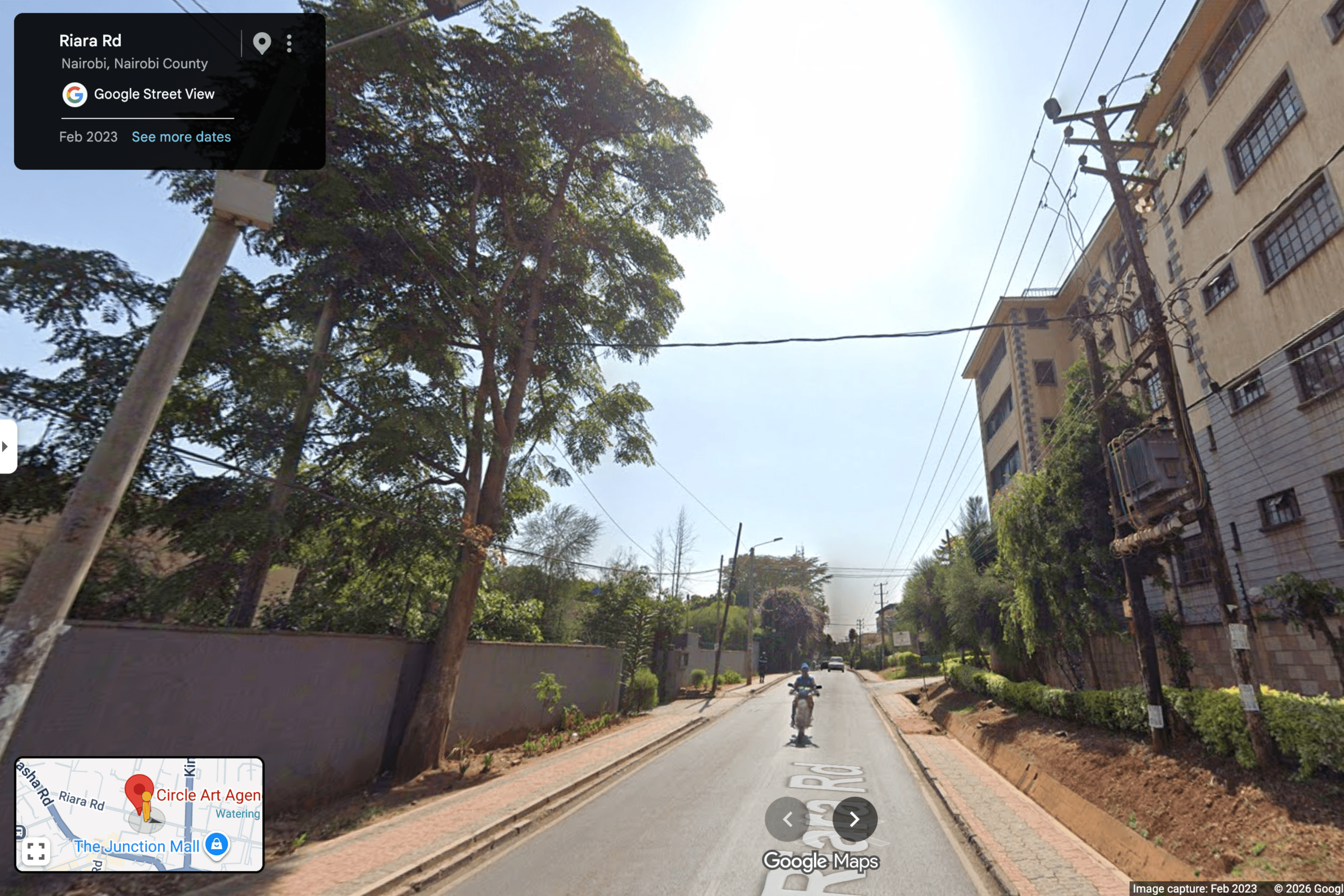
ON THE MAP | Circle Art Gallery's Nairobi space sits within a suburban pocket of the Kenyan capital, which is home to a sprawling network of different art spaces and initiatives. Image courtesy of Google Maps 2026.
Circle Art Gallery is a significant contributor to Nairobi’s wide and vibrant contemporary art ecosystem. The gallery conducts its work in one of the city’s leafy suburbs, maintaining a central focus on supporting East African artists and their surrounding contemporary art markets.
Circle Art Gallery is a key representative for East African contemporary art, both within the continent and beyond it. After eight years of operating in its first permanent space, Circle Art Gallery has been housed in a large 2500 square metre gallery space since 2023. Its decision to expand ensured opportunities to strengthen its programming with enhanced exhibition facilities. It also allowed for room for more ambitious presentations across an exciting range of mediums. Further expansion in 2025 saw the addition of another, smaller gallery adjacent to its existing space, in order to run multiple exhibitions simultaneously, and to grow the possibilities for the emerging artists to gain visibility.
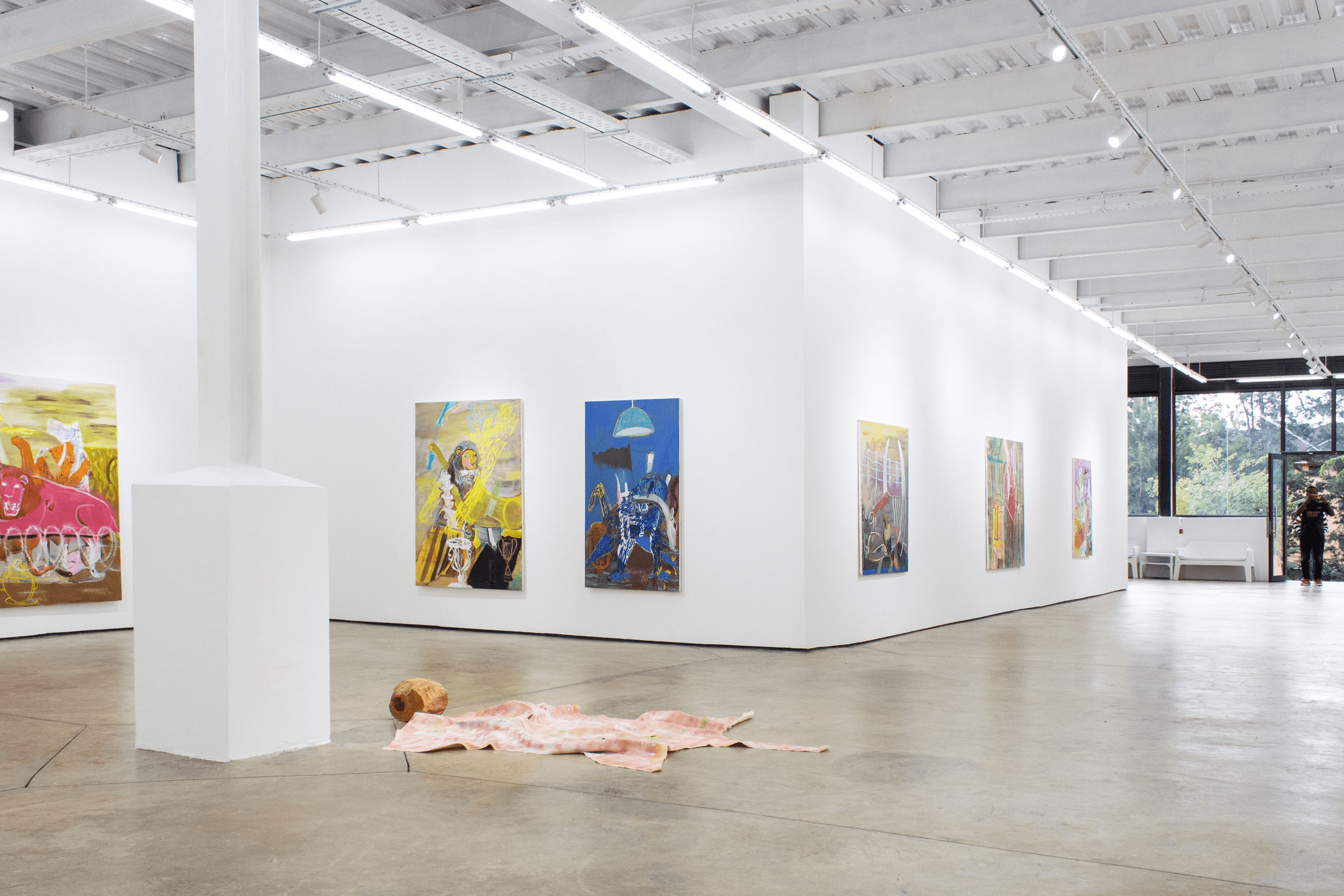
East African voices take centre stage in Circle Art Gallery's exhibition programme. Courtesy of Circle Art Gallery.
The gallery aims to create a strong and sustainable art market for East African artists by “supporting and promoting some of the most innovative and exciting contemporary artists practising in the region”. This can be seen in its exhibition presentations and countless participations at various international art fairs.
Its work to advocate for East Africa’s art communities extends into the secondary market, too. Art Auction East Africa, also run by Circle Art Gallery, is the region’s leading auction platform dedicated to modern and contemporary art hailing from East Africa.
Taking a closer look at the gallery’s neighbourhood, Circle Art Gallery sits in a primarily residential part of Nairobi, which enjoys a quieter atmosphere while still having easy access to a variety of independent businesses and creative spaces, which are increasingly popping up in the area.
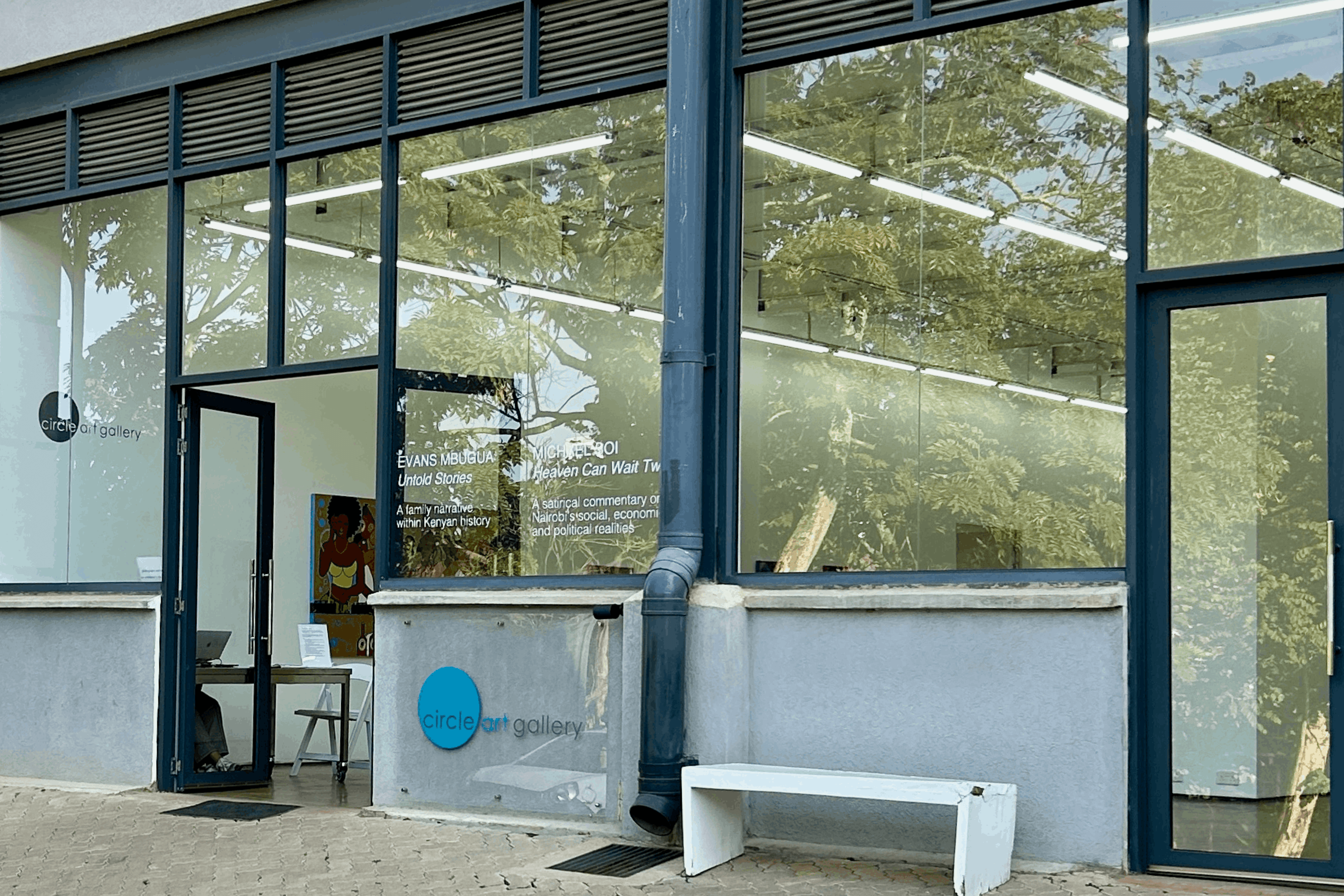
Circle Art Gallery can be found amongst the trees lining Nairobi's Riara Road. Courtesy of Circle Art Gallery.
“While Nairobi does not have a single concentrated gallery district in the way some cities do, it has a growing and vibrant contemporary art ecosystem. Circle exists within a wider network of galleries, artist-run initiatives, studios, residencies and cultural organisations spread throughout the city. Many artists work from independent studios and collectives across Nairobi, creating a rich and interconnected arts community”.
Nairobi’s contemporary art scene has seen significant growth over the last ten years, and it continues to garner increasing attention both locally and internationally. Deeply set within this cultural excitement is Circle Art Gallery, which continues to advocate for creative voices in the region.
FIRST FLOOR GALLERY HARARE
Harare, Zimbabwe
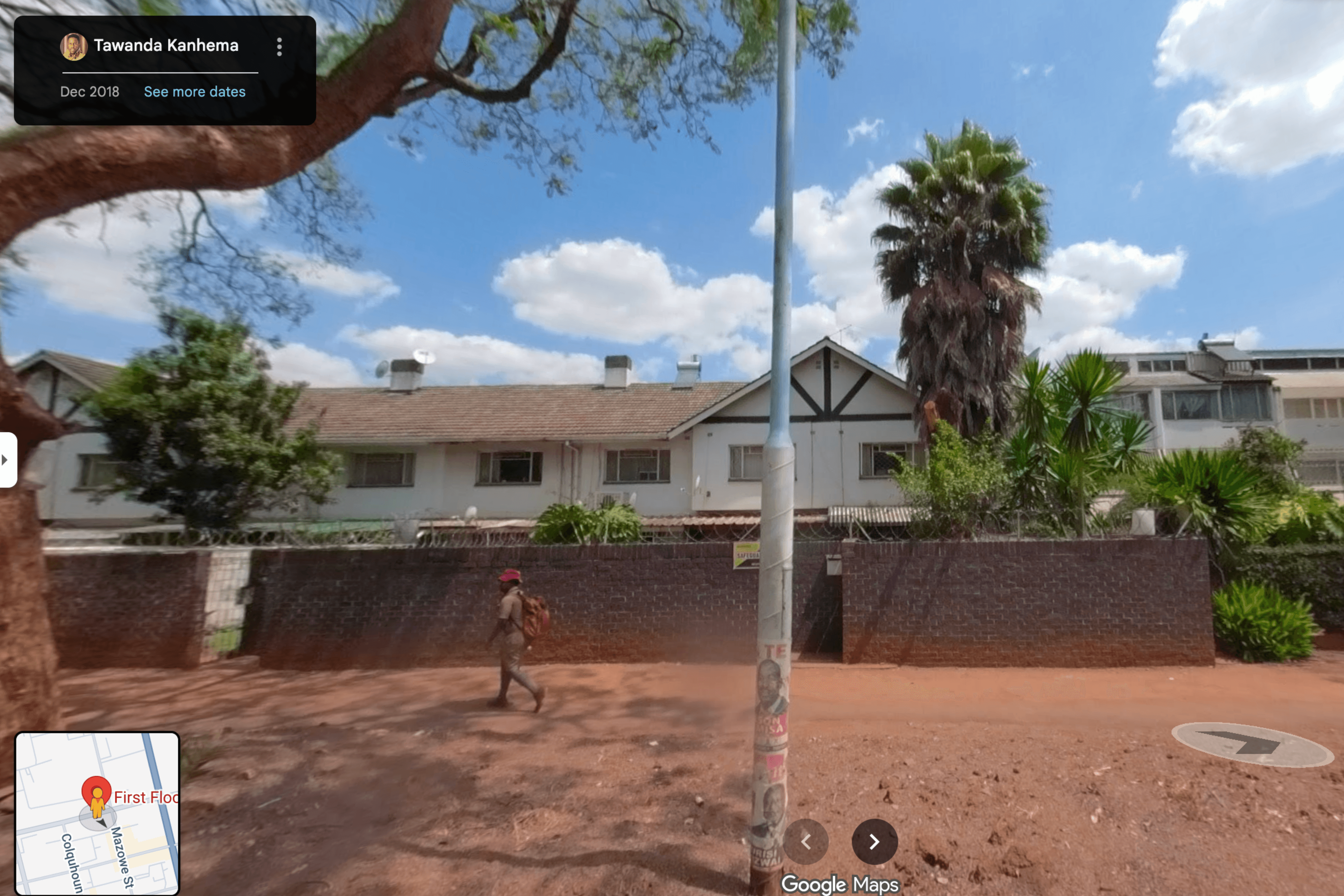
ON THE MAP | First Floor Gallery Harare sits among a web of cultural and national institutions informing a bustling contemporary art ecosystem. Image courtesy of Google Maps 2026.
First Floor Gallery Harare plays a key role in amplifying Zimbabwean voices across pan-African discourses from its home in a popular historical mixed neighbourhood that sits adjacent to the city’s central business district.
Since its founding in 2009, the gallery has operated as a dedicated contemporary art gallery and incubator to support various contributors to the contemporary art ecosystem, including professional artists, curators, and writers. Valerie Kabov, Director of First Floor Gallery Harare (FFGH), discussed the impact that the gallery has had in shaping how Zimbabwe is represented in the art world: “Over the past 15 years, FFGH has launched the international careers of globally recognised artists, while driving art sector sustainability through exhibitions, residencies, and collector development both in Zimbabwe and regionally.”
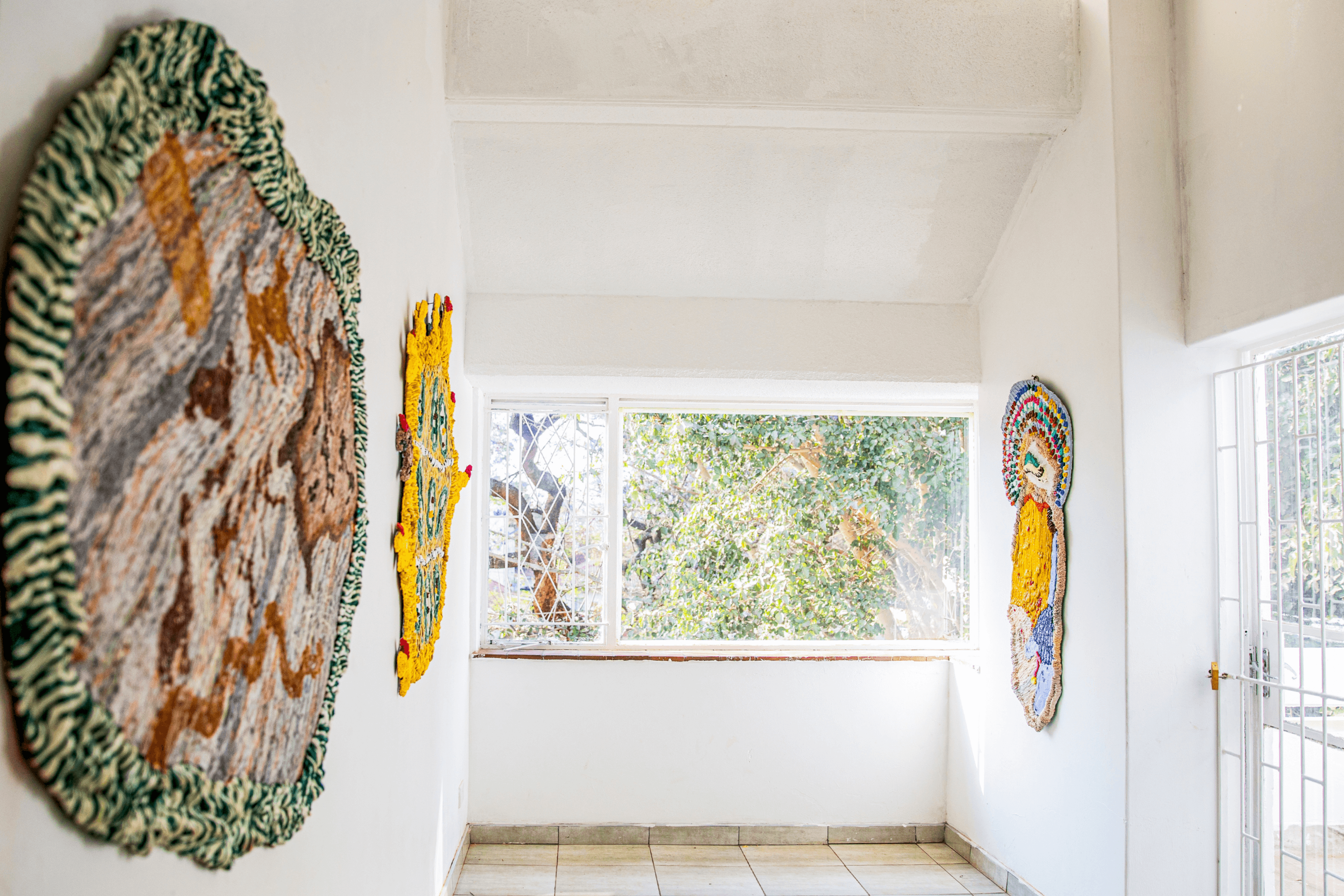
First Floor Gallery Harare is surrounded by greenery and a buzzing community of creatives and businesses. Courtesy of First Floor Gallery Harare.
Throughout its lifetime, FFGH has resided in various parts across Harare’s city centre, “with the aim of being equally accessible to people of all walks of life.” It’s currently based in The Avenues, one of the few green, walkable neighbourhoods in central Harare. The area is full of a diverse combination of industries and spaces, including cafés, bars, nightclubs, and boutiques, as well as doctors’ offices and government buildings.
The gallery is also a short walk away from the National Gallery of Zimbabwe, Harare Gardens, Theatre in the Park, and one of the country’s oldest art teaching institutions, Harare Polytechnic. The Avenues may be a residential neighbourhood, but it is alive and busy with people who enjoy its offerings as a cultural hub, including many students and younger Harareans.
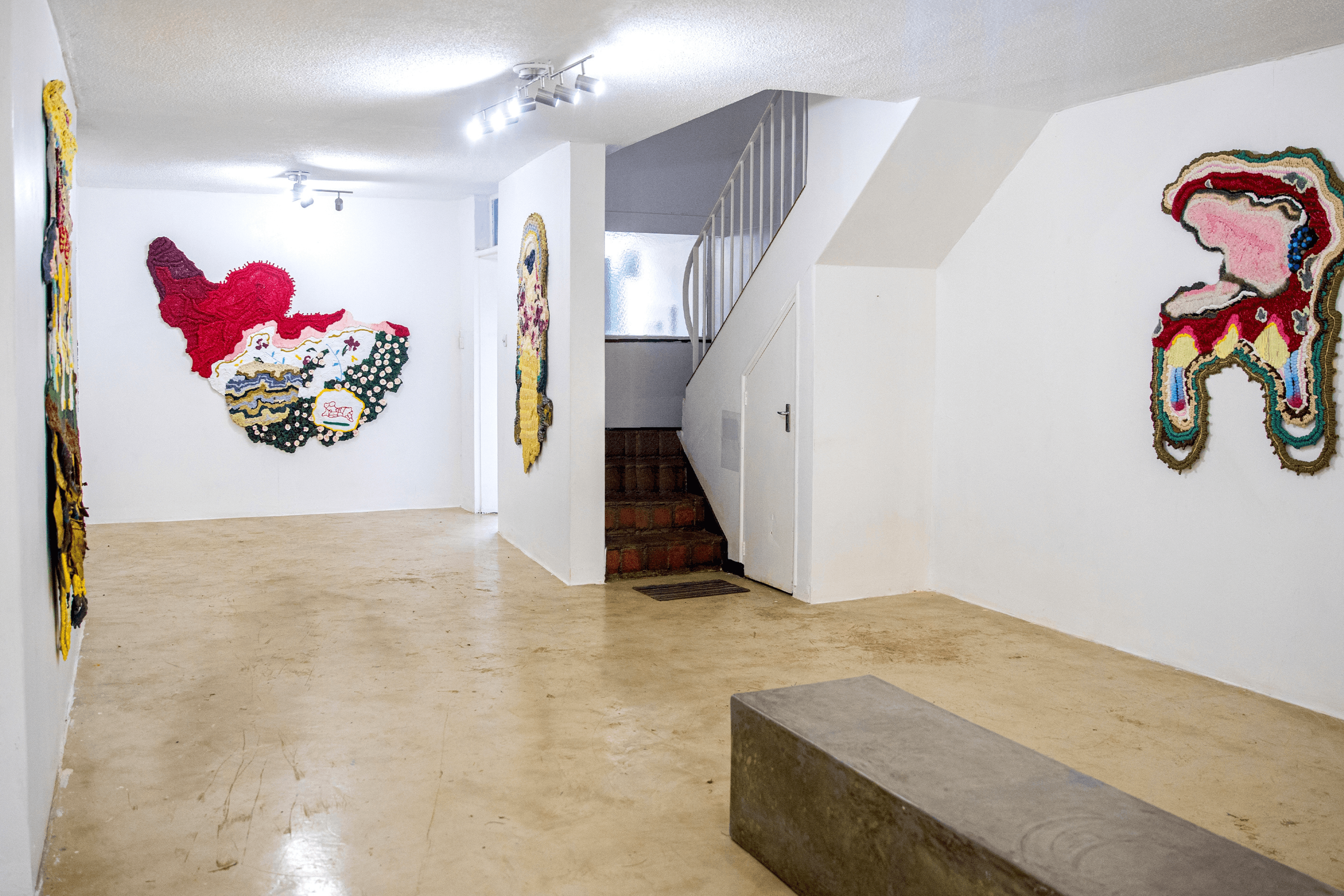
FFGH operates from a vibrant pocket of Zimbabwe's capital city. Courtesy of First Floor Gallery Harare.
FFGH advocates for the nurturing of the structures informing Zimbabwean contemporary art, as well as conversations taking place within Africa, and extending beyond the continent too. As Valerie Kabov explains, “FFGH is focused on extending Zimbabwe's art industry infrastructure, strengthening local art education, and fostering deeper, more inclusive engagement with the region's evolving art history.” In addition to the gallery’s continuous programming, it also co-founded the African Art Galleries Association (AAGA) and established the Emerging Painting Invitational (EPI).
Through its leadership in pan-African cultural initiatives, investment in arts education and infrastructure, and commitment to inclusive regional dialogue, First Floor Gallery Harare contributes to shaping African contemporary art from deep within the exciting energy of Harare’s central suburbs.
CHRISTOPHER MOLLER GALLERY
Cape Town, South Africa
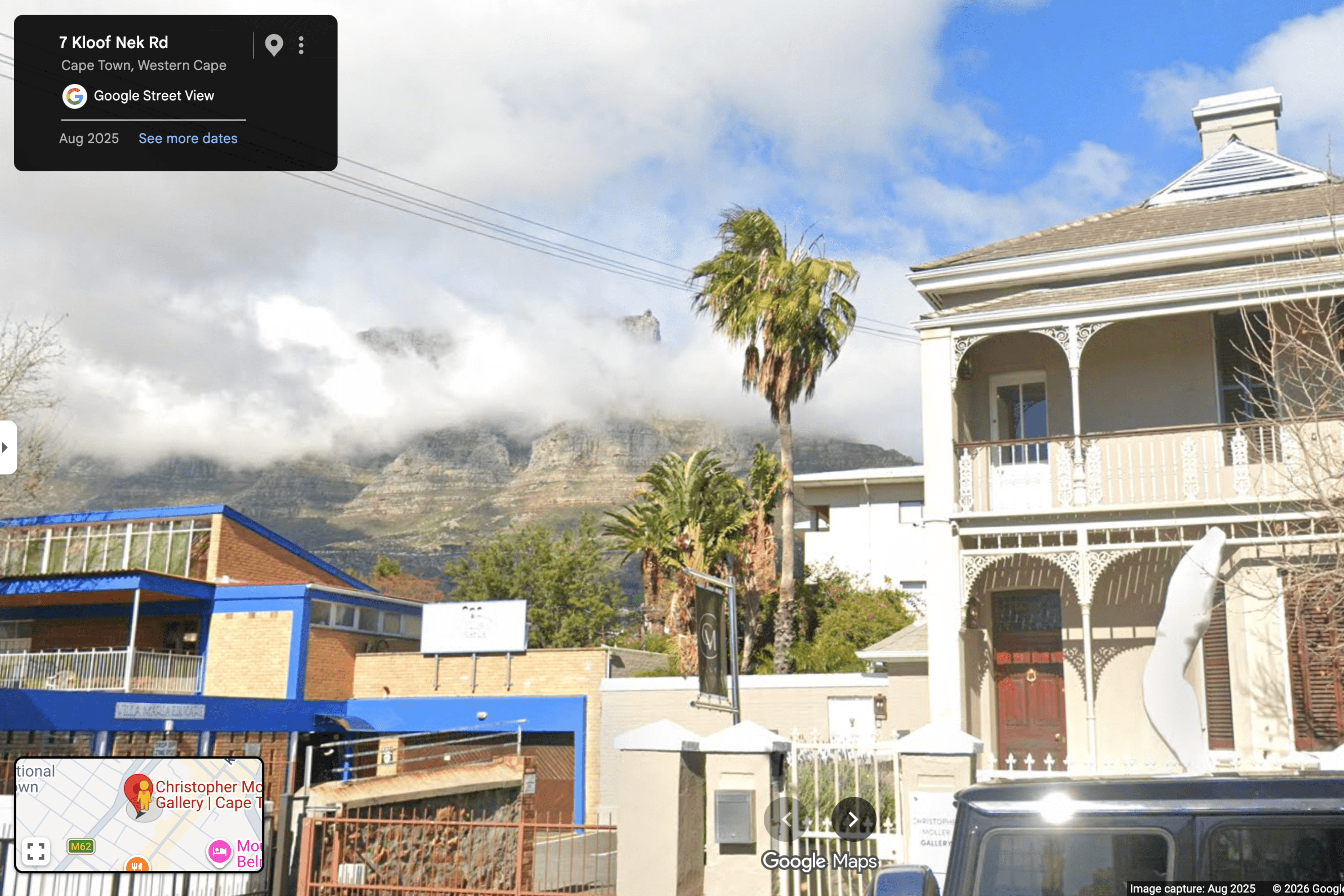
ON THE MAP | Christopher Moller Gallery engages contemporary conversations in its historic Victorian-style building in the heart of Cape Town. Image courtesy of Google Maps 2026.
Set just below Cape Town’s iconic Table Mountain, Christopher Moller Gallery uses its central space just off the city’s buzzing Kloof Street to support long-term growth for artists based across East, West, and Southern parts of the continent.
Applying its thorough understanding of the patterns and phenomena defining the African contemporary art market, Christopher Moller Gallery has developed a very particular approach to how it interacts with the artists and pieces defining art in Africa: “Christopher Moller Gallery’s philosophy has always centred around building tomorrow’s African masters through a long-term and sustainable approach. Rather than pursuing short-term market hype. Our focus is nurturing artists’ careers gradually… growing, consolidating, and evolving incrementally over the course of decades rather than seeking overnight success.”
The gallery’s approach responds directly to a pressing matter in African contemporary art, where exciting growth has also exposed certain complexities that can impact the success of the continent’s art ecosystems: “Over the past decade, African contemporary art, whether it be by visual, literary, [or] musical artisans, has experienced remarkable global growth and recognition… However, this rapid expansion has also created challenges. As the market grew, auction houses and galleries introduced a significant volume of work onto the international stage, often resulting in oversupply and making it difficult for collectors to distinguish between emerging talent and artists with long-term significance. The rise of trend-driven practices and imitation within certain genres of African contemporary art has further contributed to this sense of market saturation”.
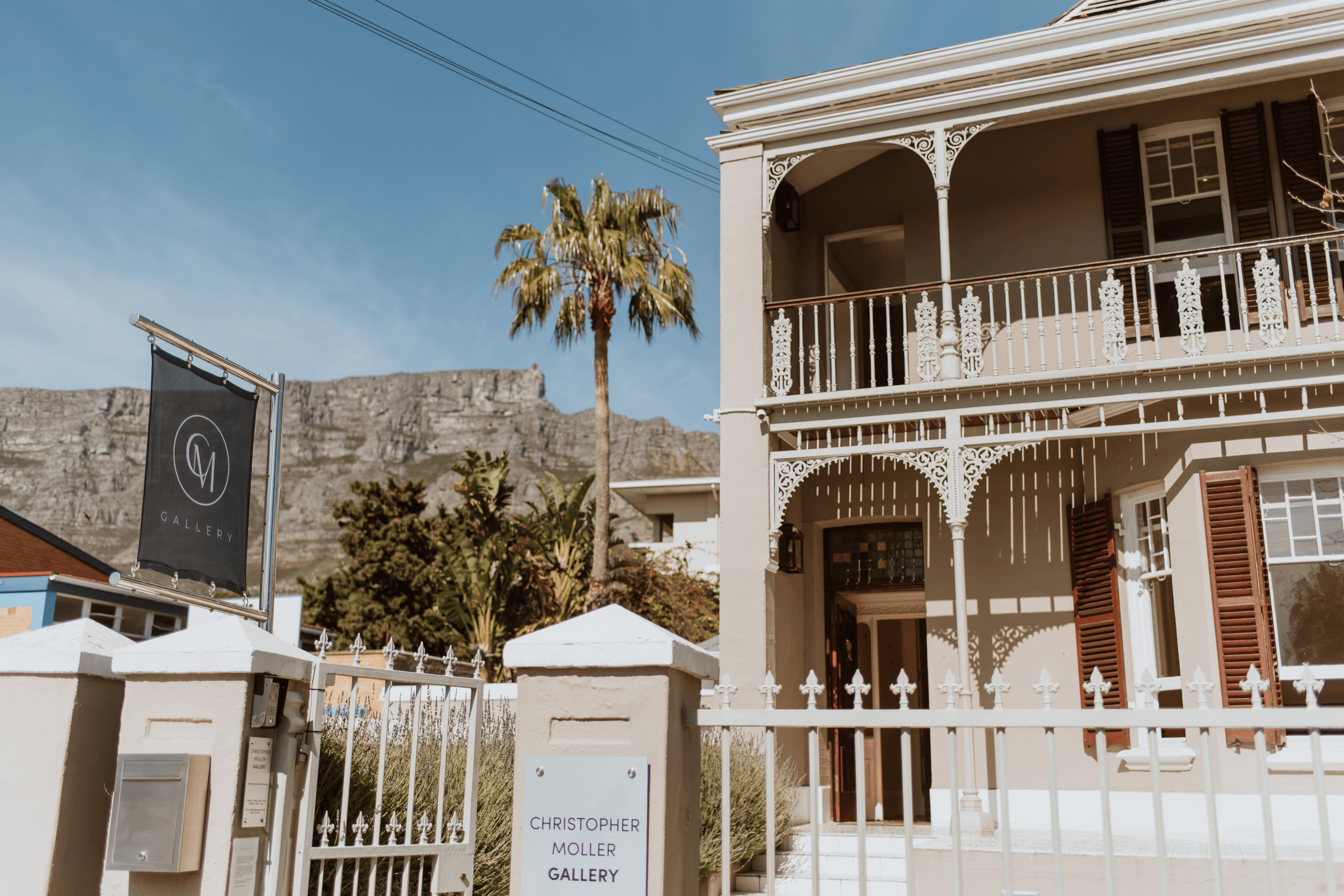
The gallery space is found in a Victorian-style former home in central Cape Town. Courtesy of Christopher Moller Gallery.
These apt observations are housed in Cape Town’s inner city, which has increasingly become a cultural melting pot of visitors and residents from across the continent, and across the world. Neighbouring a selection of popular bars, restaurants, and creative spaces, Christopher Moller Gallery’s historic building sits within a vibrant, people-oriented community with an exciting contemporary rhythm.
The gallery’s upcoming group show, Echoes of Home, opens on 28 May 2026, and is a fitting exhibition to bring in the concluding days of Africa Month. Taking shape through collaboration with artists hailing from different regions of the continent, the show’s conceptual focus is a meaningful continuation of the conversations that shape the gallery’s home city, and certainly how the gallery represents African identity: “that which within the diversity is one of unity. Heritage and ultimately family”. The show unpacks how the digital age’s interconnected global network has shifted the meaning of ‘home’. As the exhibition text reads, “Within this landscape, many find themselves navigating quiet tension between tradition and change, between inherited value systems and contemporary realities”.
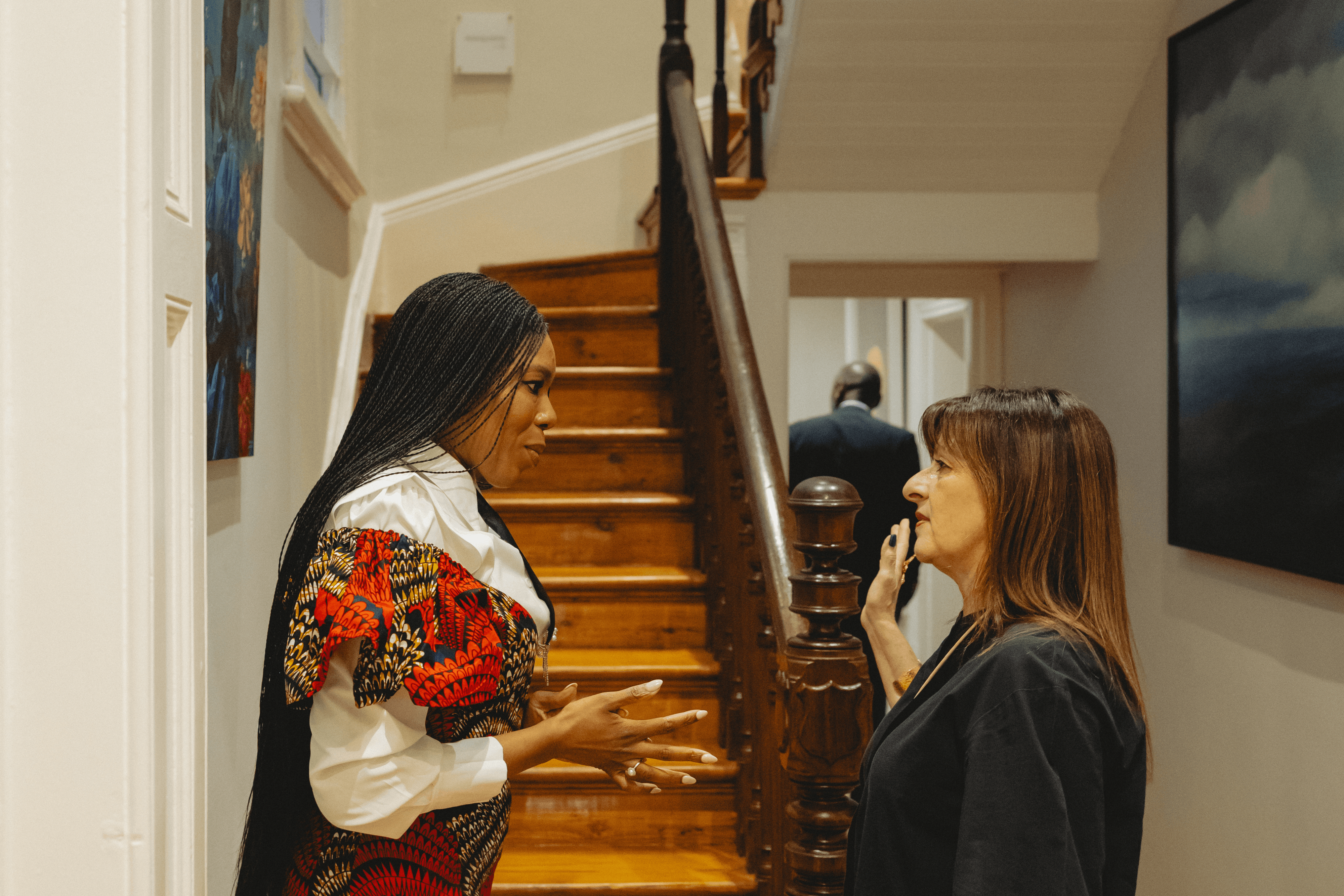
The gallery connects the most southern African city to the dialogues spanning throughout the continent. Courtesy of Christopher Moller Gallery.
Christopher Moller Gallery’s space also navigates this quiet tension between tradition and change. As Table Mountain continues to watch over the gallery, as it has watched many generations throughout history, Christopher Moller Gallery supports the futures of artists by engaging with contemporary conversations throughout the continent from the comforts of its home, steeped in history.
THIS IS NOT A WHITE CUBE
Lisbon, Portugal
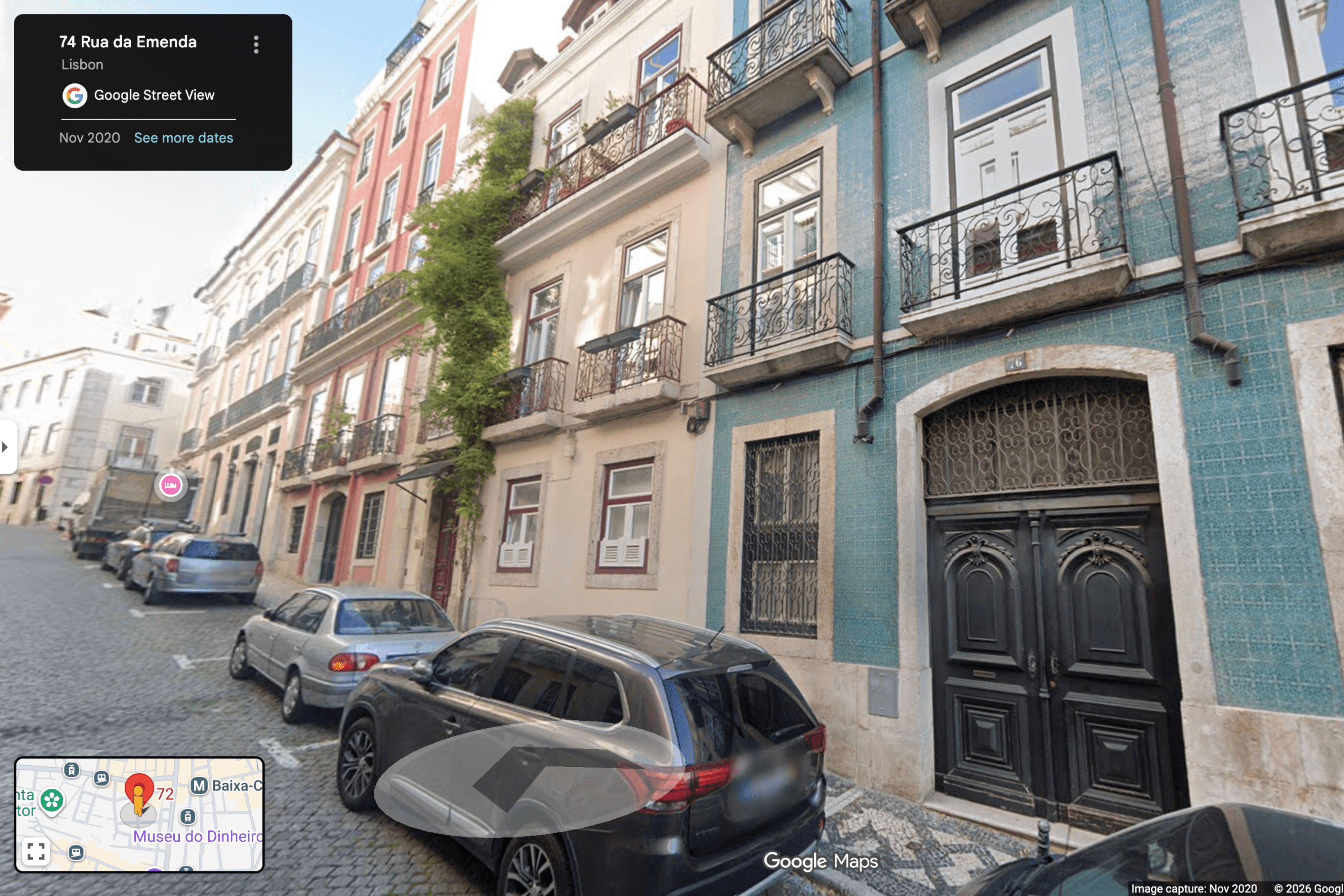
ON THE MAP | THIS IS NOT A WHITE CUBE connects Angola and Portugal from its location in Lisbon's vibrant Chiado neighbourhood. Courtesy of Google Maps 2026.
After originally being founded in the Angolan city of Luanda, THIS IS NOT A WHITE CUBE remains steadfast in representing artists and stories from Africa within the context of its new base city of Lisbon.
In fact, the gallery’s space in Lisbon’s Chiado cultural district is a strong testament to the intercultural dialogues it nurtures. As gallery director Graça Rodrigues commented, “Chiado functions as a vibrant cultural ecosystem where historical heritage coexists with contemporary artistic production…”. In this context, the contemporary art gallery promotes critical and experimental artistic practices through multiple curatorial fields and lines of research. With a focus on artists from Africa and its diaspora, THIS IS NOT A WHITE CUBE runs projects that engage with questions of identity, memory, postcolonial narratives, migration and contemporary social realities.
Ten years ago, THIS IS NOT A WHITE CUBE emerged as a prominent space for art and culture in the Angolan capital. Angola and Portugal have longstanding historical ties due to previous Portuguese colonial rule, and as a result, important established networks exist across the two countries. The same can be said for the dialogues taking place in the gallery’s current home city: “Lisbon itself has increasingly become an important meeting point for contemporary art practices connected to Africa, the Global South and diasporic perspectives, making the city an especially meaningful context for our programme and for the artists we represent.”
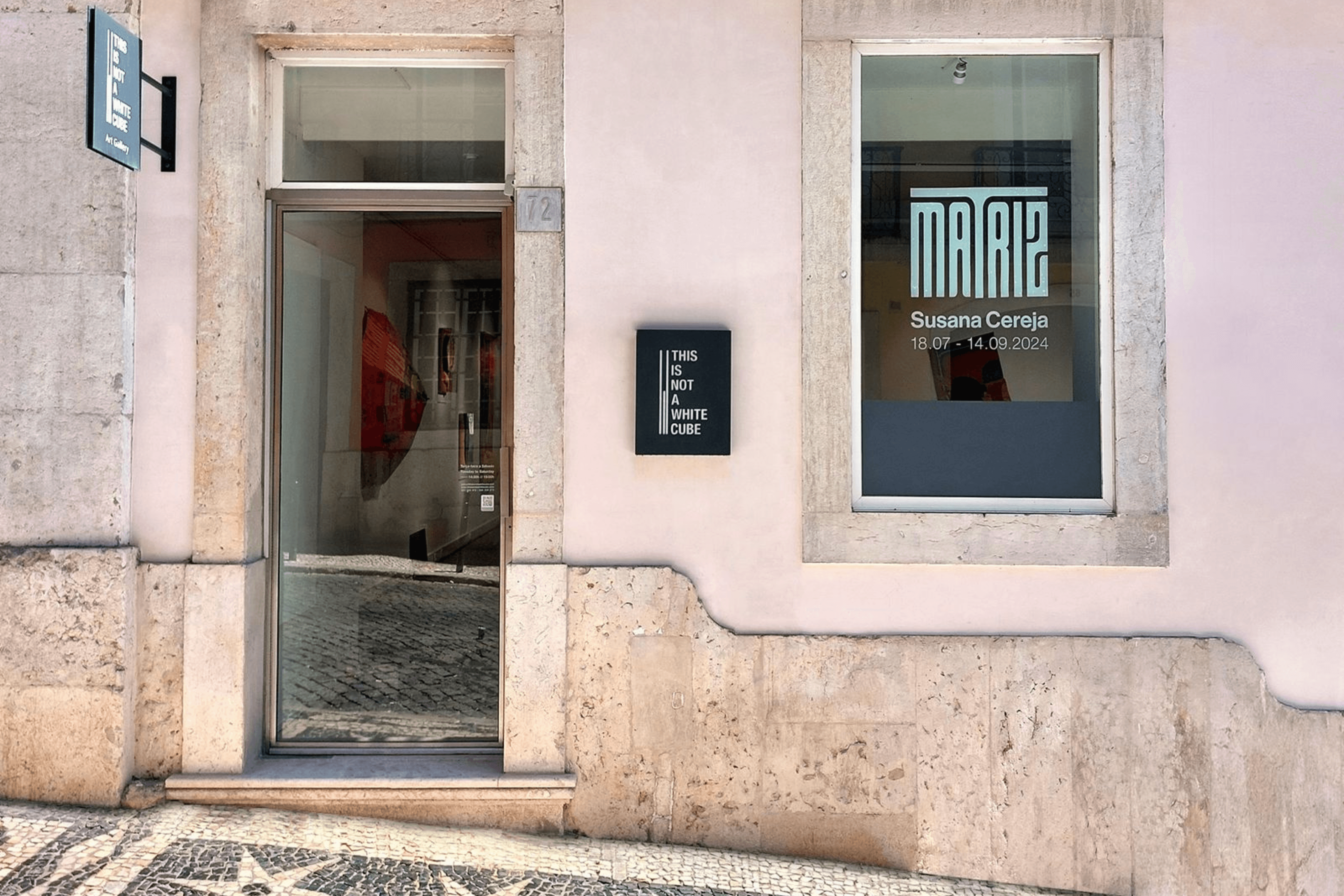
After growing in its founding city of Luanda, the gallery opened a second location in Lisbon’s Chiado neighbourhood in 2019. Courtesy of THIS IS NOT A WHITE CUBE.
Now, the gallery solely operates from its space in Lisbon, but still collaborates with the same types of artistic networks and African creative sentiments. The gallery is Portugal’s first African gallery to work with both Portuguese artists and artists hailing from countries in the Global South, including ex-Portuguese colonies like Angola and Brazil, as well as other countries in the global majority.
Chiado is home to a dense network of museums, theatres, universities, independent cultural initiatives and architectural landmarks, making it one of Lisbon’s most active centres for cultural exchange and artistic experimentation. Among the major cultural institutions located in or around Chiado are the National Museum of Contemporary Art – Chiado Museum, the São Carlos National Theatre, the São Luiz Theatre, the Faculty of Fine Arts of the University of Lisbon, and Bertrand Bookstore, recognised as the world’s oldest operating bookstore.
The wider Chiado and surrounding downtown area also includes several contemporary art spaces, galleries, and independent project spaces that contribute to Lisbon’s increasingly international contemporary art scene.
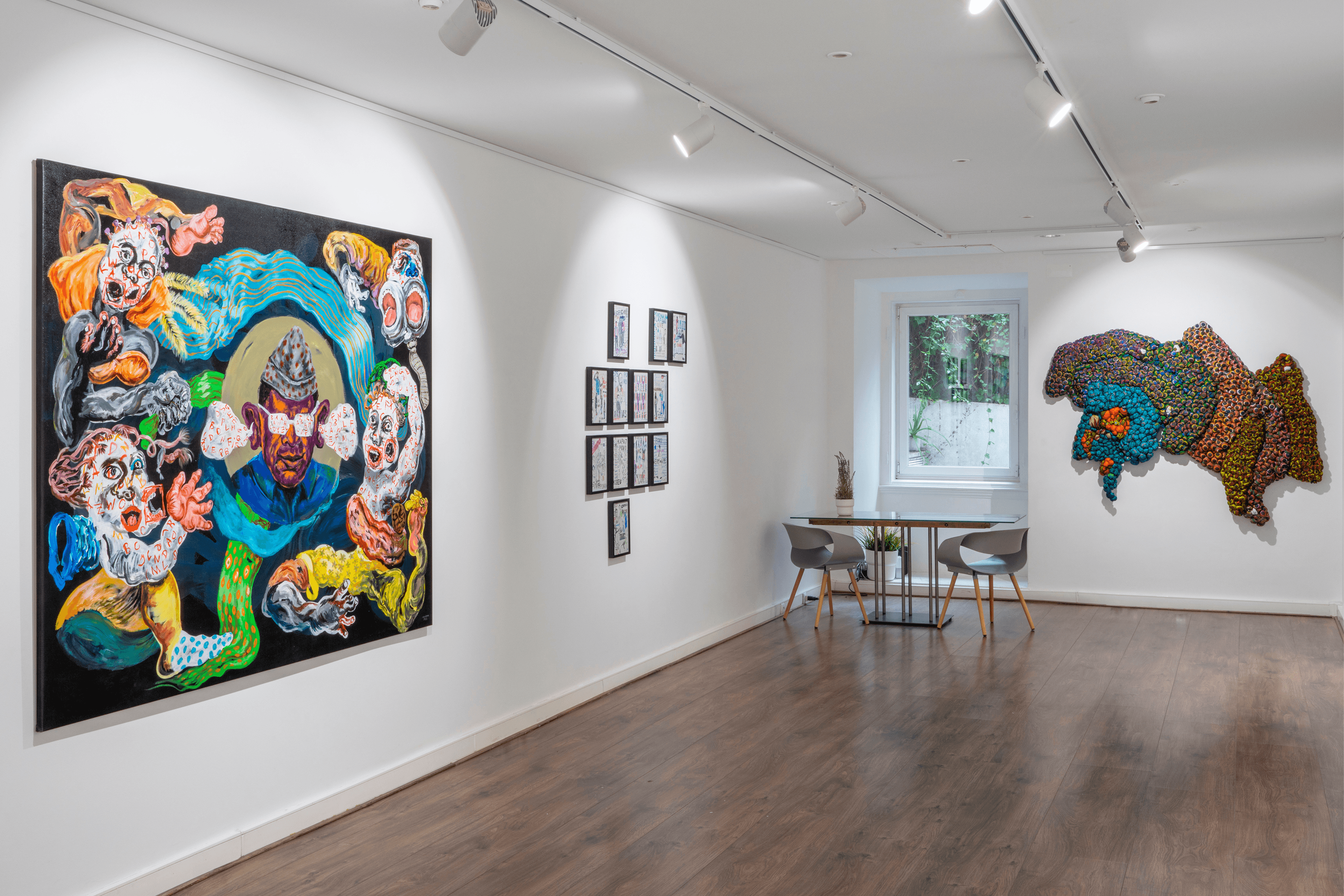
The gallery's exhibitions harness the cultural richness of both Angola and Portugal’s capital cities. Courtesy of THIS IS NOT A WHITE CUBE.
THIS IS NOT A WHITE CUBE encourages intercultural dialogues reflective of its own pattern of migration. Through this, it supports African art ecosystems and narratives from different continents
With gratitude to the teams at The Bridge Gallery, Circle Art Gallery, First Floor Gallery Harare, Christopher Moller Gallery, and THIS IS NOT A WHITE CUBE, who generously provided supporting information and photographs for this story.