Mapping The Neighbourhood | Map 3
In this third instalment of our series, we wander across the galleries and their surrounding neighbourhoods which inform our global contemporary art ecosystem
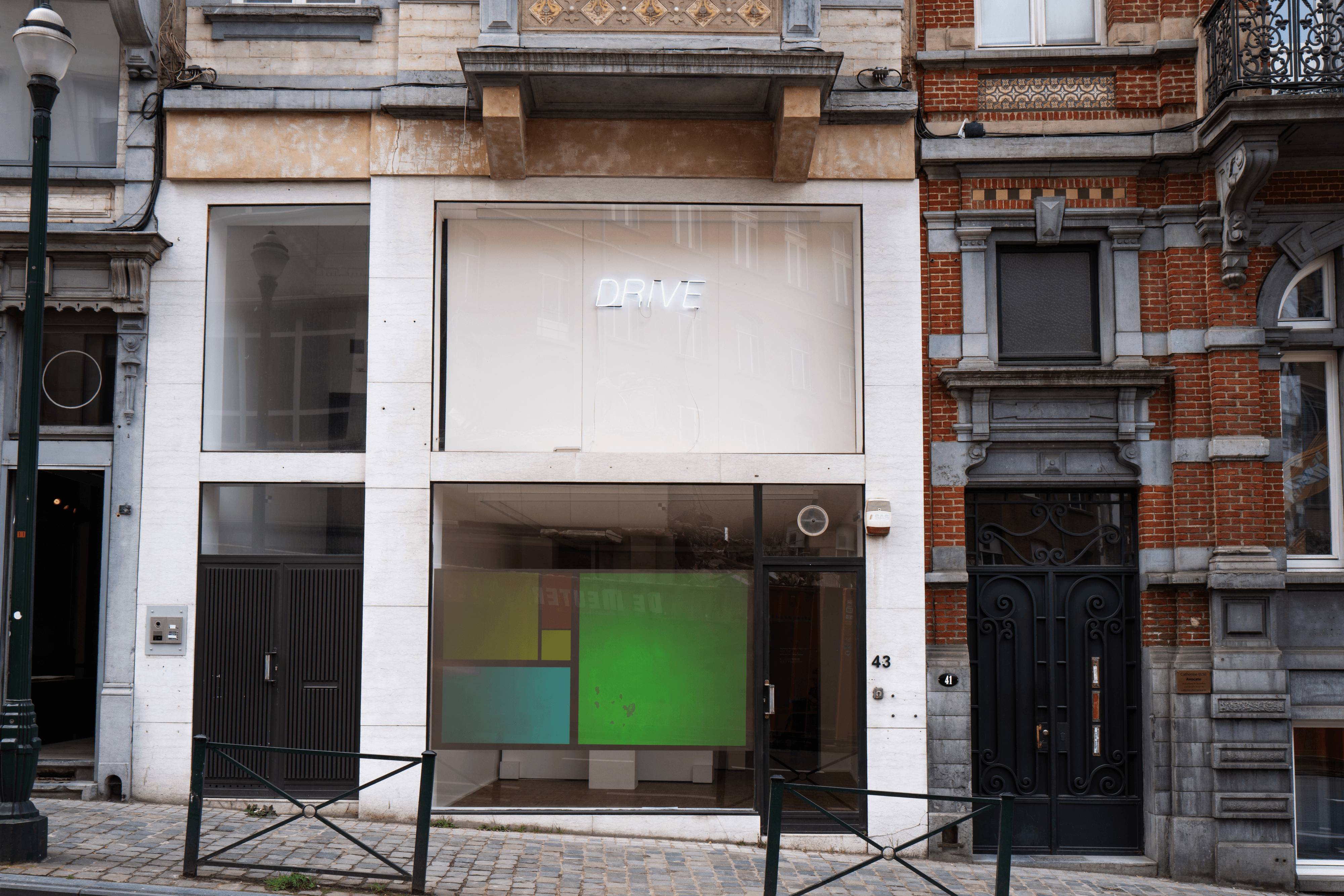
Across the globe, contemporary art galleries operate with unique perspectives and practices. However, these points of production, thought and exchange are informed by the environments which surround these gallery spaces.
In their pursuits to support artists and creative communities, galleries are products of their social and geographic contexts, and their immediate surroundings offer meaningful contributions to the powerful work they conduct and the artists they exhibit. From offering a moment of quiet respite within a bustling city centre, to a gallery drawing from its roots in a particularly historic building, to a space operating as an active member of an established artistic community, we highlight a selection of contemporary art galleries within the global discourse, and navigate the surrounding cities and districts which inform our global art ecosystem.
In this article, we focus on Gallery Nosco (Brussels, Belgium), Southern Guild (Cape Town, South Africa and Los Angeles, USA), Lo Magno artecontemporanea (Modica and Scicli, Italy), and Vela Projects (Cape Town, South Africa). As we navigate across countries and continents, we explore these galleries and pinpoint their surrounding areas on our global art map.
GALLERY NOSCO
Brussels, Belgium
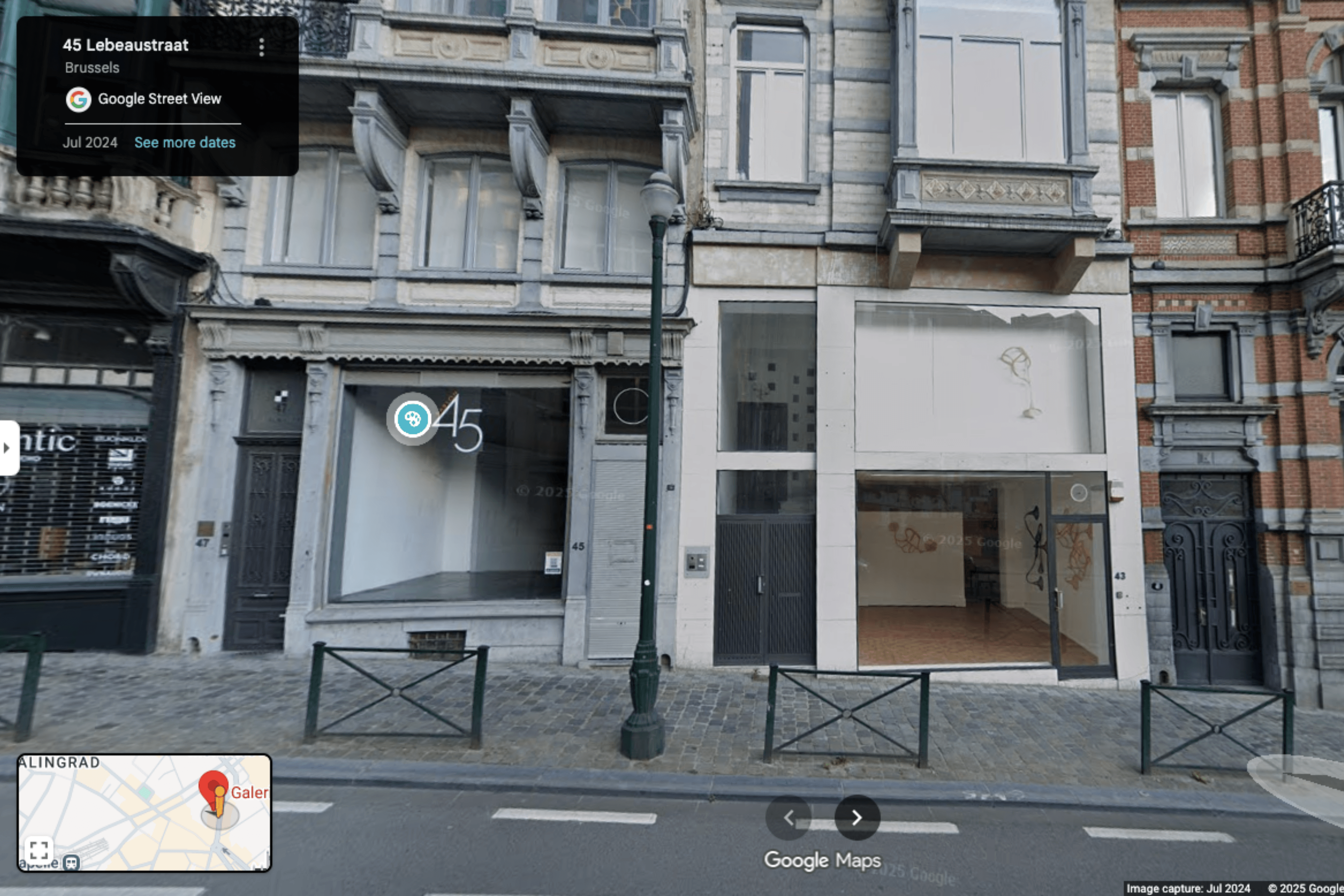
ON THE MAP | Gallery Nosco is in the heart of the Brussels neighbourhood known for its antiques, amongst other historic city traditions. Image courtesy of Google Maps 2025.
Gallery Nosco has been based in the Sablon district in Brussels for five years, after originally being founded in London in 2007 as a secondary practice, before becoming a primary gallery in the UK city in 2012. Now, the gallery situates its distinctly contemporary practice within this historic Brussels neighbourhood, well-known for its antique shops, luxury boutiques, design-led stores, and galleries of larger sizes.
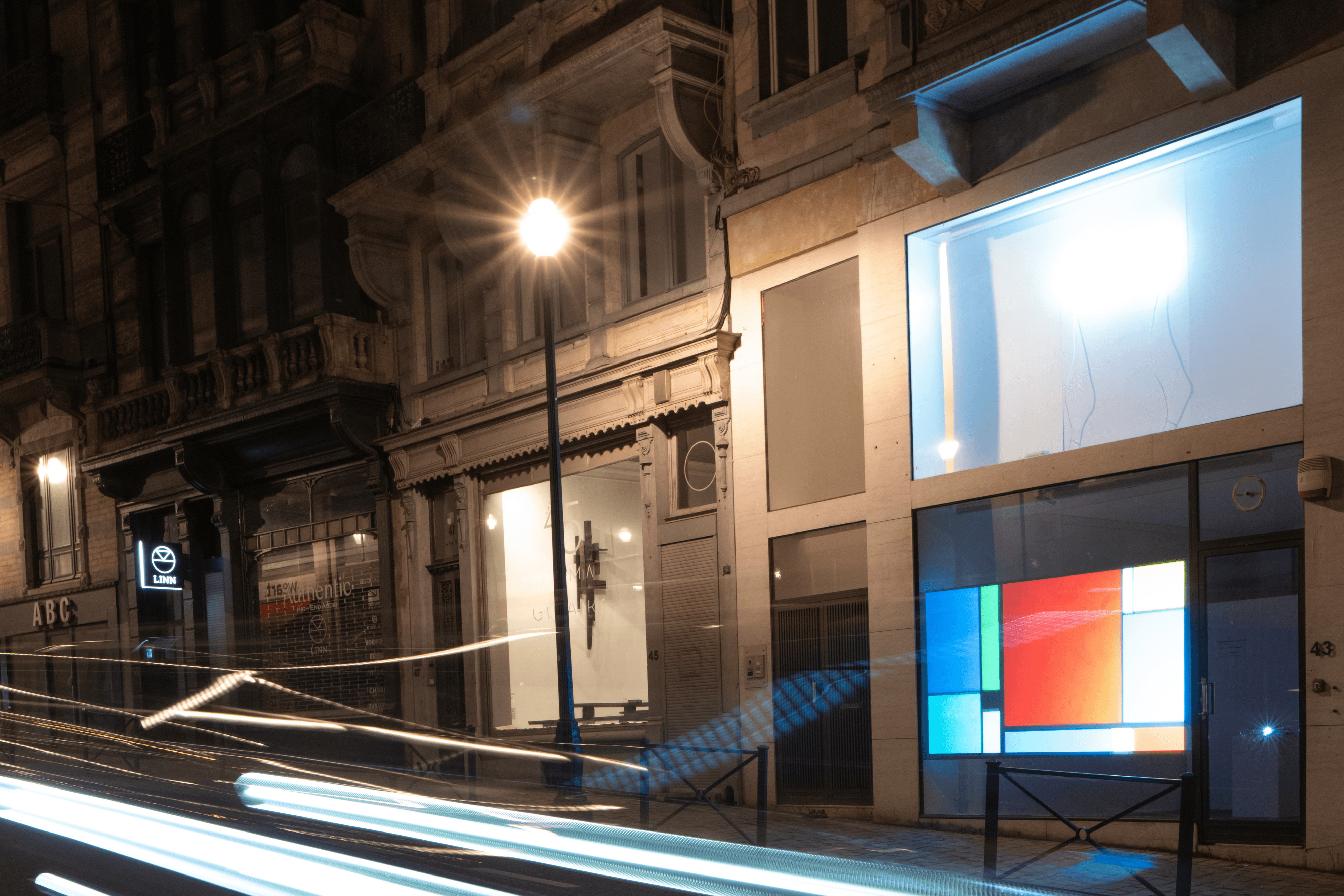
The gallery is dedicated to facilitating international cultural exchange and fostering critical dialogue across artistic practices, political contexts, and cultural histories. Image courtesy of Gallery Nosco.
Gallery Nosco's dynamic programme puts on around six to seven exhibitions each year, in addition to artist residencies and major international art fair participation. From its spot in Brussels, the gallery brings together emerging and mid-career artists who are mainly from Latin America, as well as from Africa, the United States, and Europe.
The Sablon district, marked by its twin squares, the Grand Sablon and Petit Sablon, is a prominent space in both the art and antiques trades of Brussels. Alive with businesses and practices, Sablon is truly an ‘art district’, housing an extensive network of art infrastructure, clientele and cultural cachet with an extensive history.
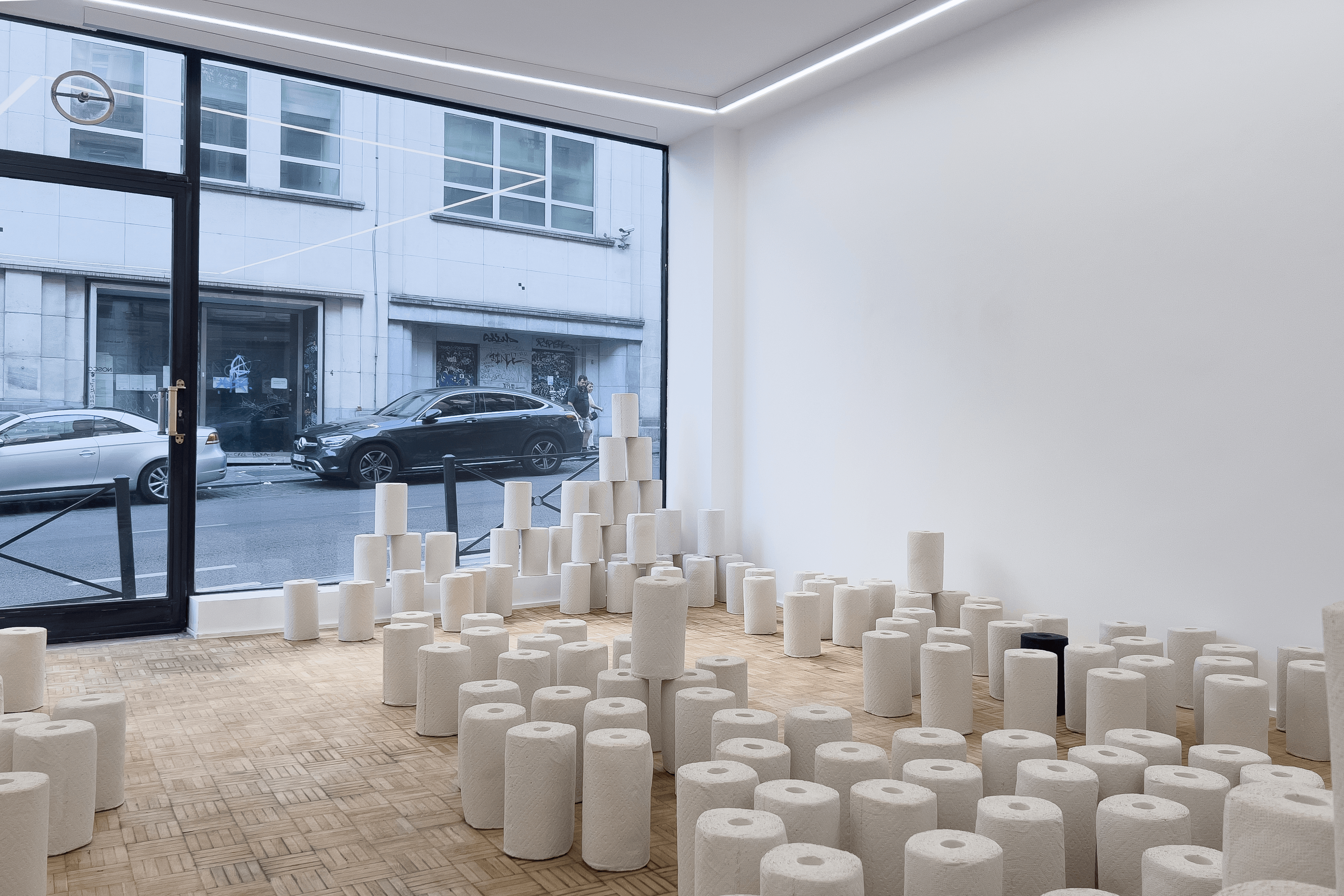
Steeped in this historic neighbourhood, Gallery Nosco brings contemporary practices from around the world into the mix, creating a dynamic juxtaposition between the district’s historic context and the forward-looking art it presents. Image courtesy of Gallery Nosco.
Close to the gallery are a broad range of museums, like the BOZAR Museum (or ‘Palais des Beaux-Arts’), Royal Museums of Fine Arts of Belgium, the Musée Magritte Museum, Musée des Instruments de Musique (MIM), BELvue Museum, as well as the Victor Horta House for those with particular interest in architecture and history.
Gallery Nosco’s contemporary conceptual inquiry and cultural activism is located in Sablon’s rich artistic community, with a thriving creative community set against a legacy of historic antiques and artistic traditions.
SOUTHERN GUILD
Cape Town, South Africa and Los Angeles, USA
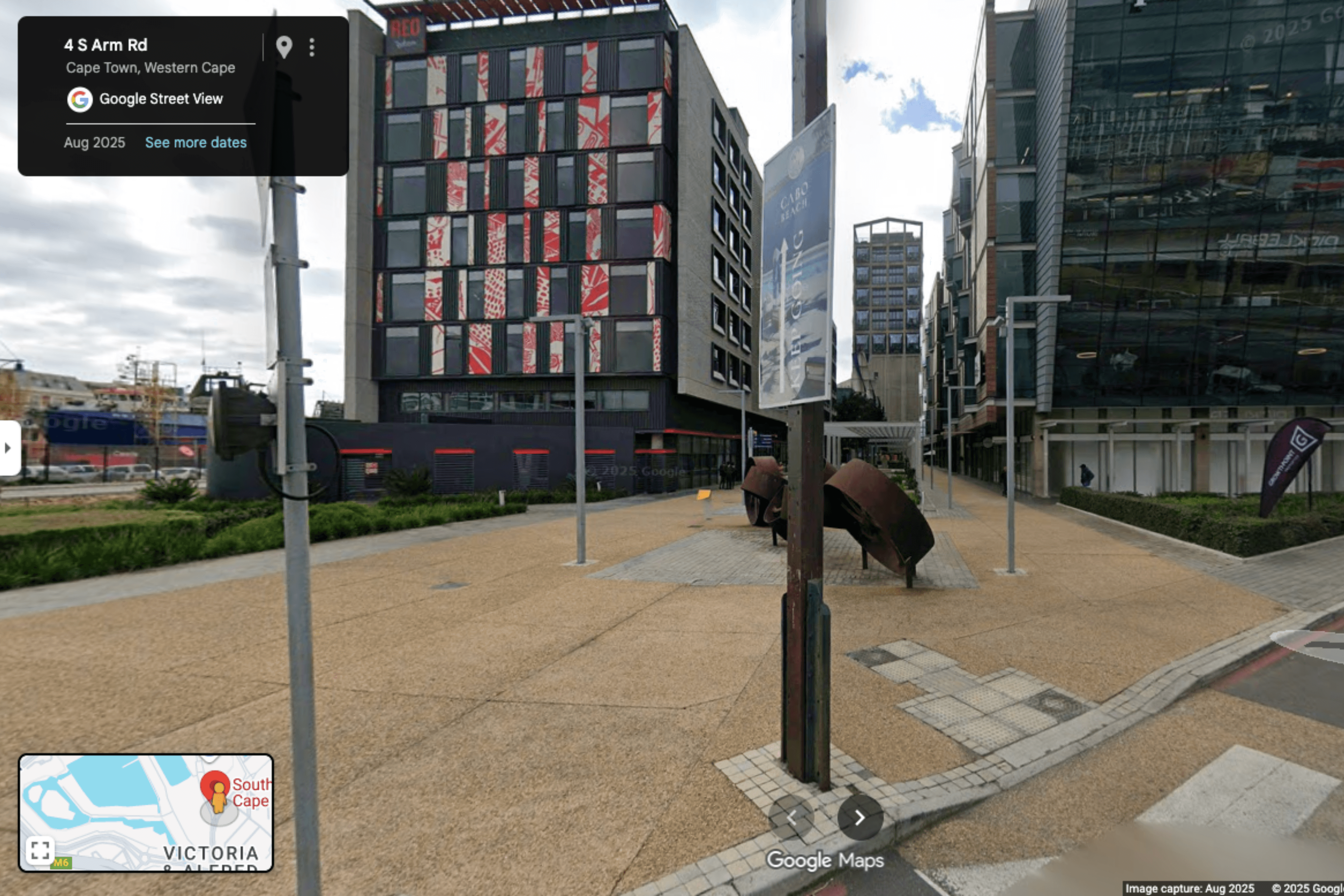
ON THE MAP | Southern Guild's Cape Town gallery sits within the bustling pedestrian-friendly Silo district, nearby popular sites like Zeitz Museum of Contemporary Art Africa (Zeitz MOCAA) and the V&A Waterfront. Image courtesy of Google Maps 2025.
Southern Guild represents contemporary artists from Africa and its diaspora across two gallery spaces on two continents. Its original space can be found in Cape Town’s vibrant cultural precinct, the Silo district, while its newer space is in Melrose Hill, a historic Los Angeles neighbourhood nestled between Hollywood and Koreatown.
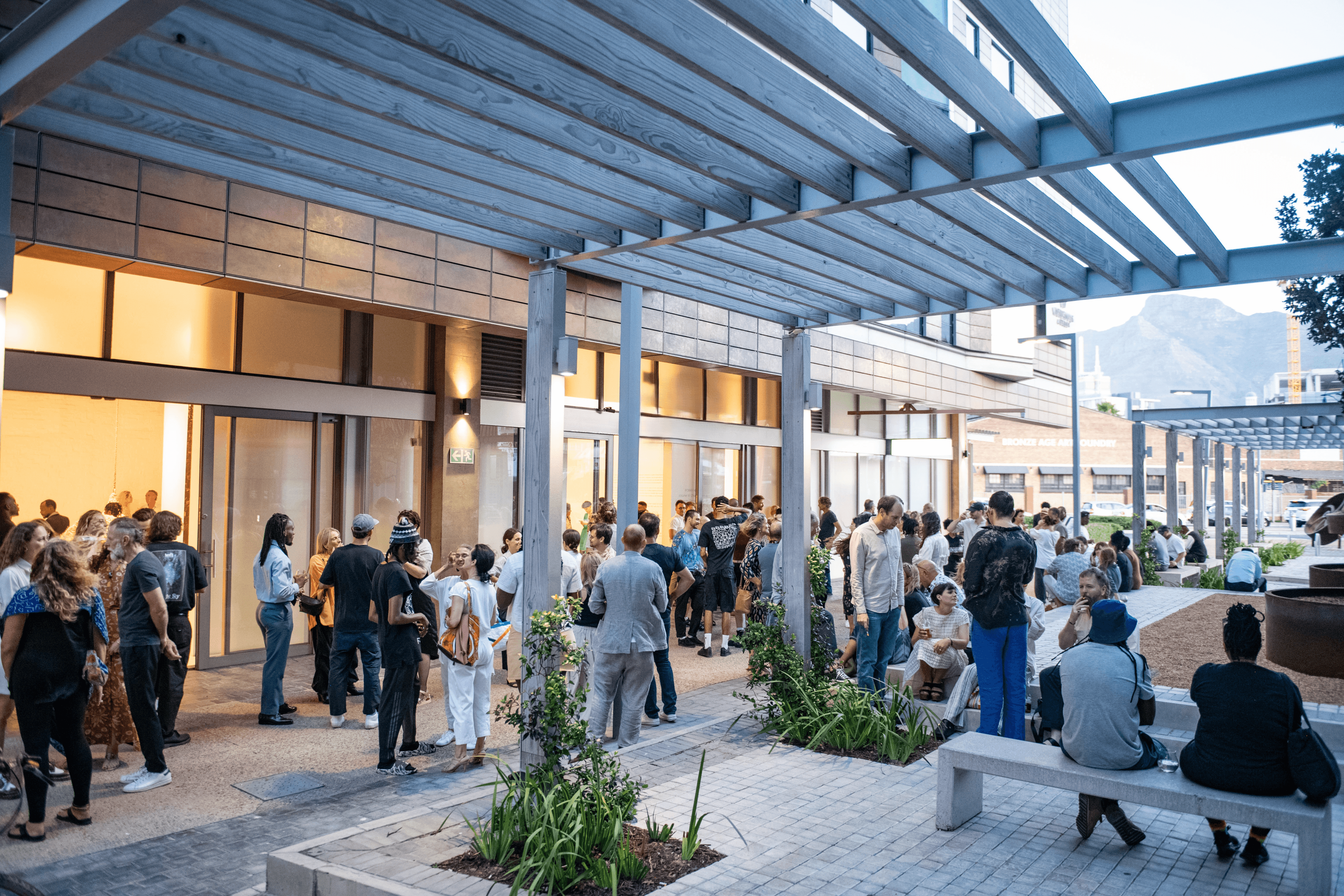
With a magnificant view of Table Mountain, Southern Guild Cape Town is found in a reimagined grain silo complex, which has evolved into one of Cape Town’s leading creative hubs. Image courtesy of Jomeri Mouton/Southern Guild.
The Silo district features public sculptures, the Zeitz MOCAA, murals, installations, as well as design stores and live music events. Originally built in 1921 by UK-based Heatherwick Studio, the Silo District today is a popular destination for Cape Town locals and visitors alike.
Southern Guild relocated here from Woodstock - another historic creative neighbourhood in Cape Town - in 2017. Since then, the gallery has extended into a campus which encompasses a number of warehouses with artist studios and production facilities, creating a synergy between the gallery, artists’ spaces, and its headquarters nestled in the Port of Cape Town, just down the road.
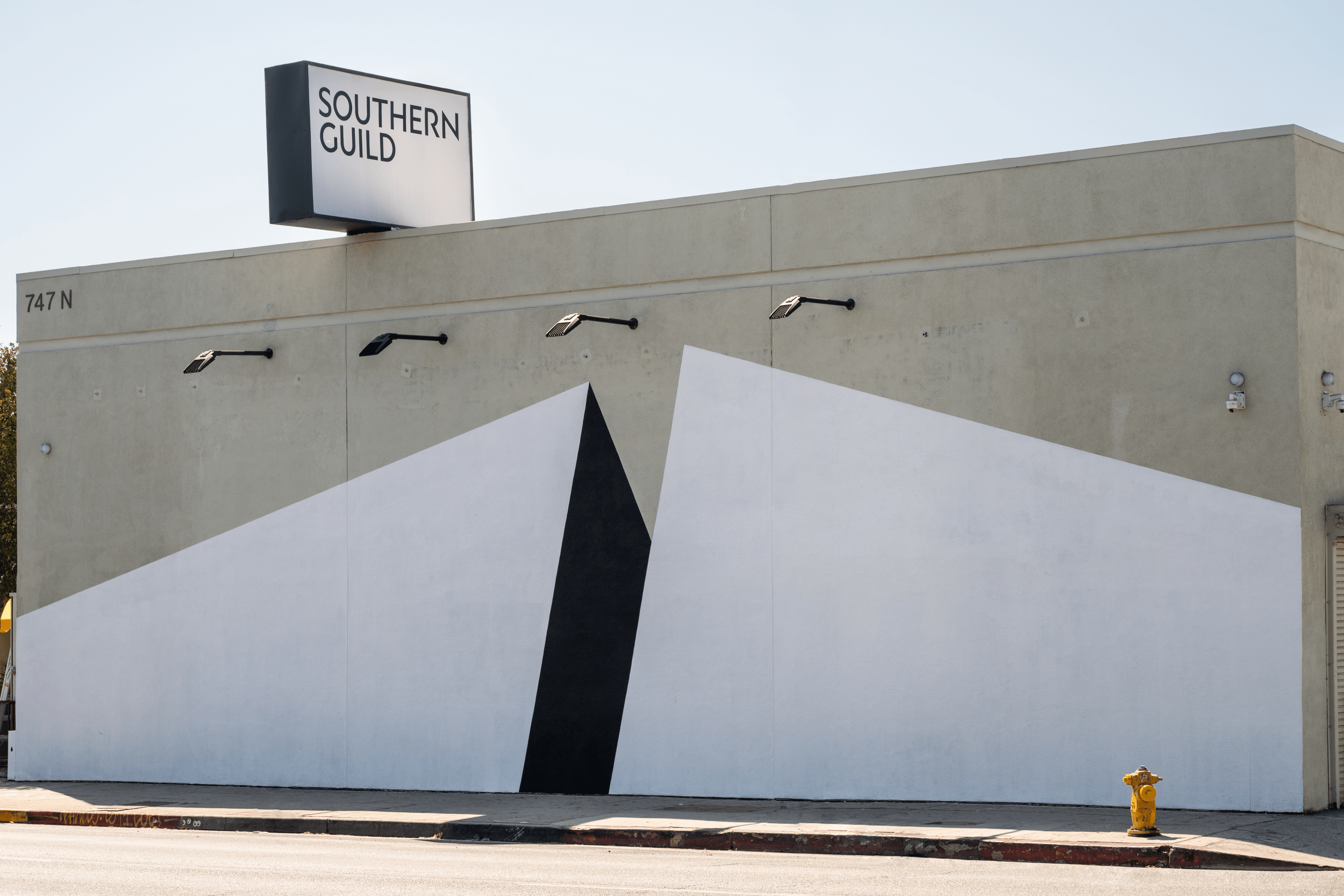
A street view of Southern Guild Los Angeles. Image courtesy of Christopher Wormald/Southern Guild.
In February 2024, Southern Guild Los Angeles opened in Melrose Hill. This neighbourhood used to be home to large-scale furniture warehouses and retailers, but has fast developed into one of the city’s most vibrant art and design districts. The architectural profile of the gallery’s surrounding area is often compared to the Bowery in New York. Its expansive, column-free buildings with high ceilings have proven ideal for contemporary art galleries.
As the neighbourhood continues to cultivate a creative community – with many galleries located close to one another – a dynamic, walkable ecosystem has emerged. Notable surrounding institutions include David Zwirner, Rele Gallery, Sargent’s Daughters and James Fuentes Gallery, among others. It's an adequate representation of the Los Angeles art scene as a whole: A large, diverse and rapidly growing network which includes a number of major museums, commercial galleries and artist-run spaces. It is also known for its amalgamated community of both established and emerging artists.
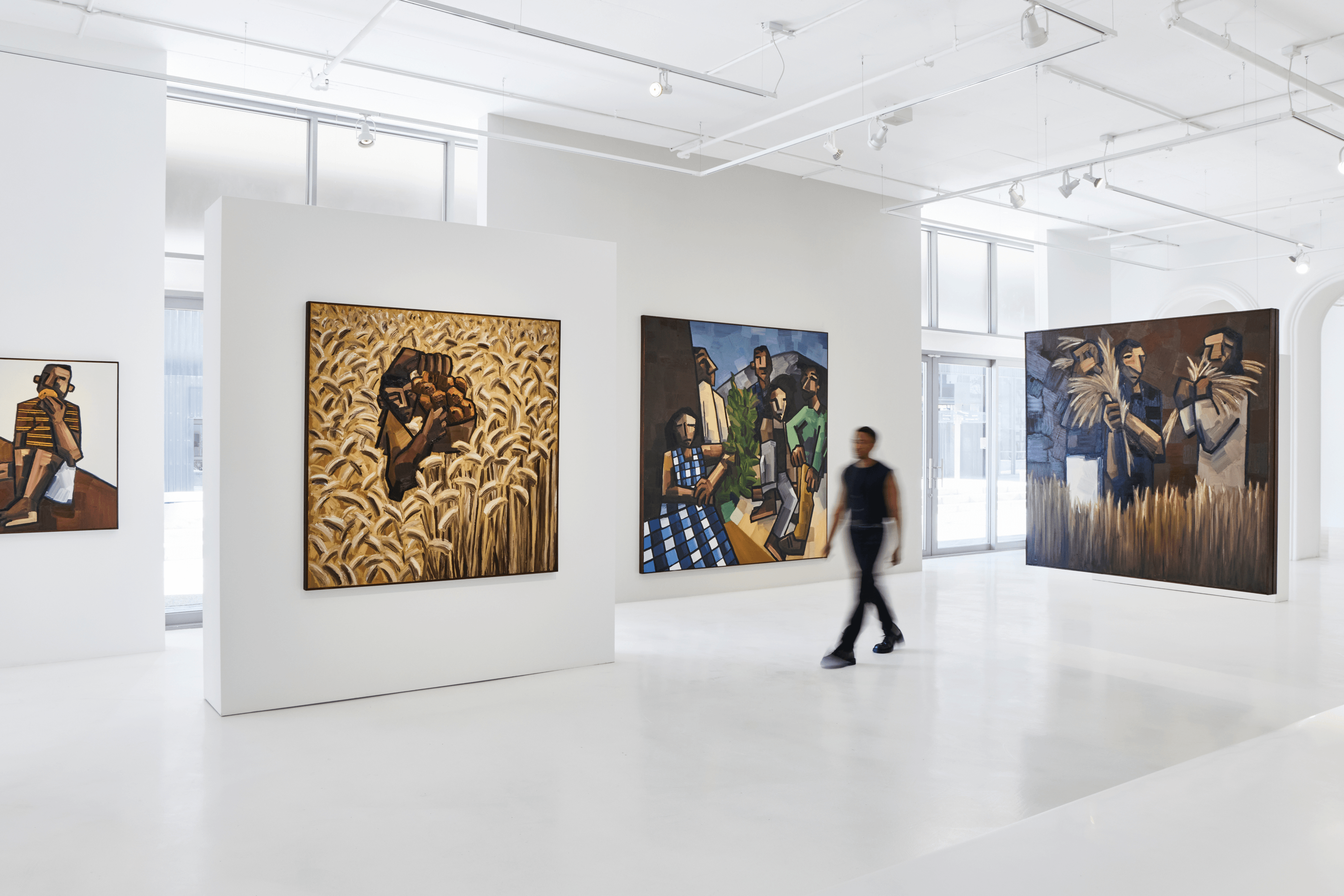
An interior shot of Southern Guild Cape Town during its An Open Letter exhibition. Image courtesy of Hayden Phipps/Southern Guild.
From Cape Town and Los Angeles, Southern Guild continues its work to contribute a platform for African and diasporic voices within the broader global art stage.
Lo Magno artecontemporanea
Modica and Scicli, Italy
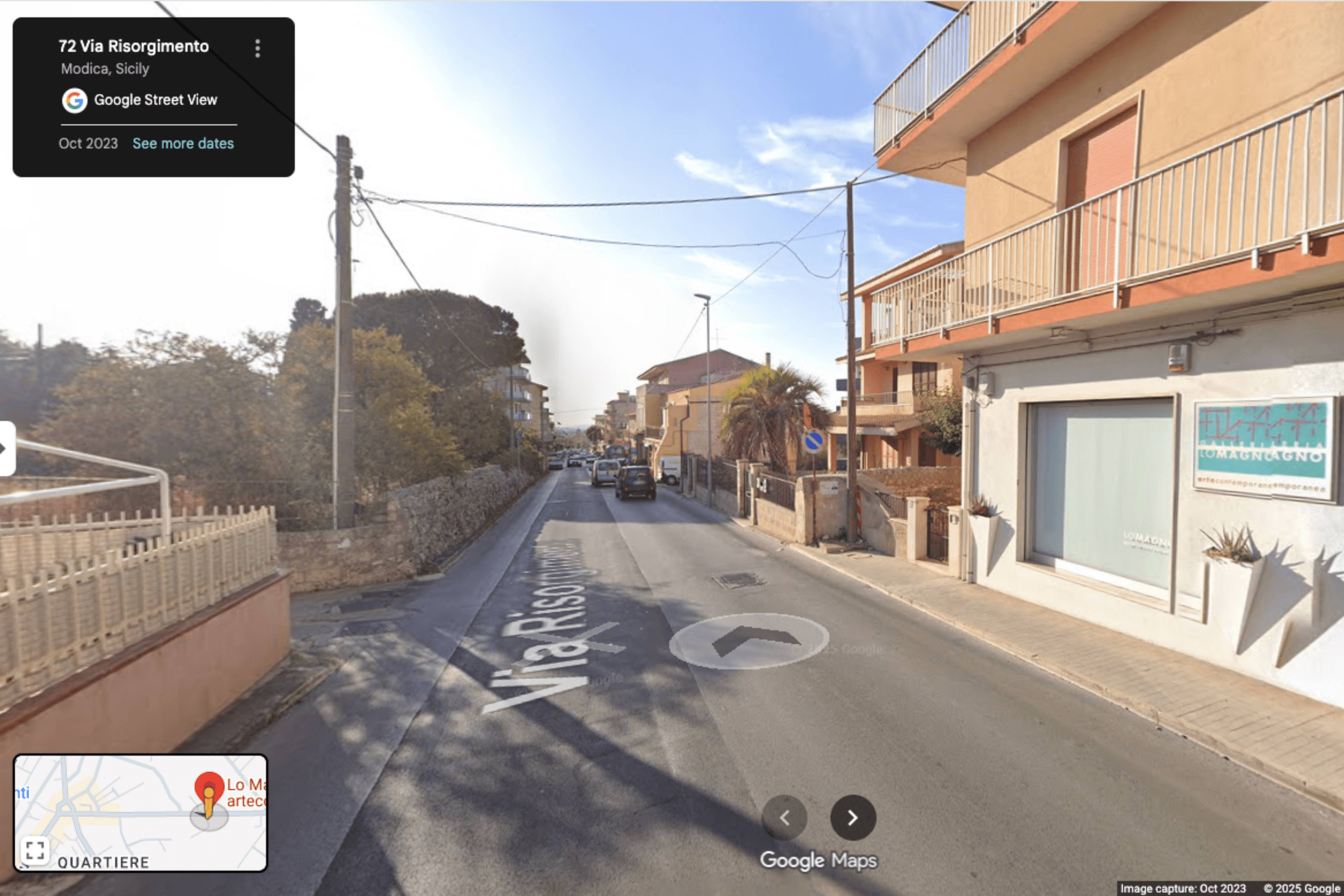
ON THE MAP | Lo Magno artecontemporanea's gallery in Modica is nestled within a city with compelling ancient history and global networks. Image courtesy of Google Maps 2025.
Lo Magno artecontemporanea is located in two spaces across Sicily. Steeped in the rich history of the island, both its Modica and Scicli galleries operate as contemporary manifestations of the cross-cultural exchange ingrained within the region.
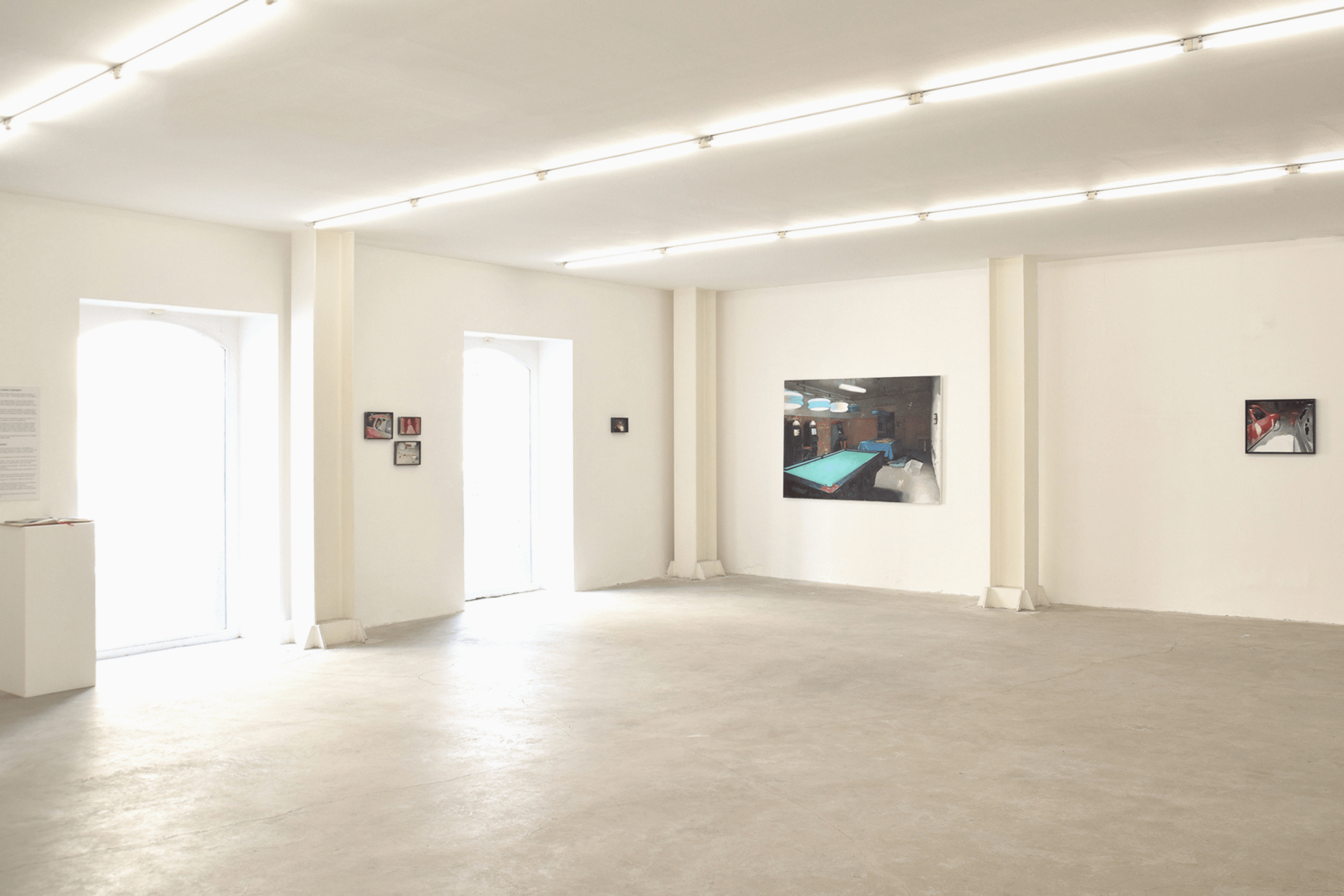
Inside the gallery during Nel Silenzio della Superficie, a solo show by Emanuele Giuffrida. Image courtesy of Lo Magno artecontemporanea.
Lo Magno artecontemporanea was founded in 2003 in Modica, in the heart of southeastern Sicily, by Giuseppe Lo Magno. The gallery's story, however, began a decade earlier, with the opening of a small artisanal frame workshop. This humble yet vital space quickly became a point of convergence for artists, intellectuals, and collectors, laying the groundwork for what would become one of the region’s most respected contemporary art galleries.
Modica is dramatically set among canyons and hills in southeastern Sicily. With the city’s roots tracing back to the Neolithic period, it has long been a cultural crossroad, with its historical identity shaped over centuries by Greek, Roman, Arab, and Norman influences. Its layered history is still visible today in the city’s topography and architectural richness.
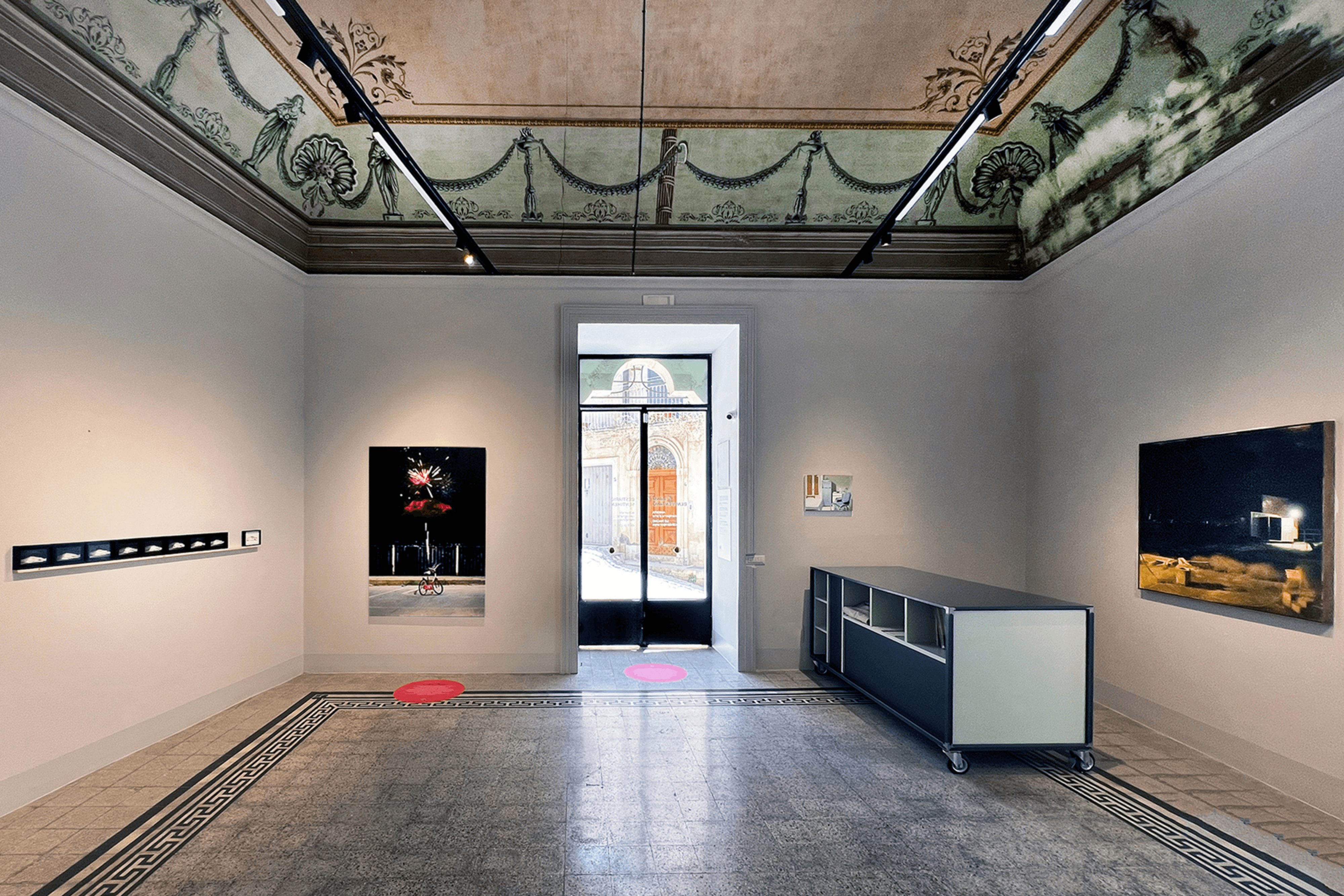
Deeply rooted in the cultural and social fabric of its territory, Lo Magno artecontemporanea has always maintained a strong connection to its origins. Image courtesy of Lo Magno artecontemporanea.
The gallery works primarily with Sicilian artists, and nurtures relationships and practices that reflect the history, identity, and complex layers of the Mediterranean world. This territorial grounding does not limit the gallery’s vision but rather enriches its dialogue with broader national and international contexts.
Today, the gallery and the original workshop coexist in a dynamic, hybrid space that combines artisanal tradition with contemporary creativity. Firmly anchored in its territory, Lo Magno artecontemporanea bridges its local context with international conversations through curated exhibitions, inter-gallery collaborations, and regular participation in major international art fairs and industry events.
In 2023, the gallery expanded its presence by opening a second location in the Palazzo Beneventano in Scicli: an impressive product of Sicilian Baroque architecture, as well as a UNESCO World Heritage Site. The corners of the palace’s façades are adorned with a striking gallery of mascheroni: grotesque faces and mythical beasts appear beneath its balconies like actors on a stage. Such sculptures are unique to southeastern Sicily and reflect the playful, symbolic, and spiritual imagination of the Baroque era. More than mere decoration, many of these elements acted as symbols intended to ward off evil. Late Sicilian Baroque is known for its theatrical, imaginative, and highly decorative architecture, and the cultural period of making emerged after a devastating earthquake in the area in 1693.
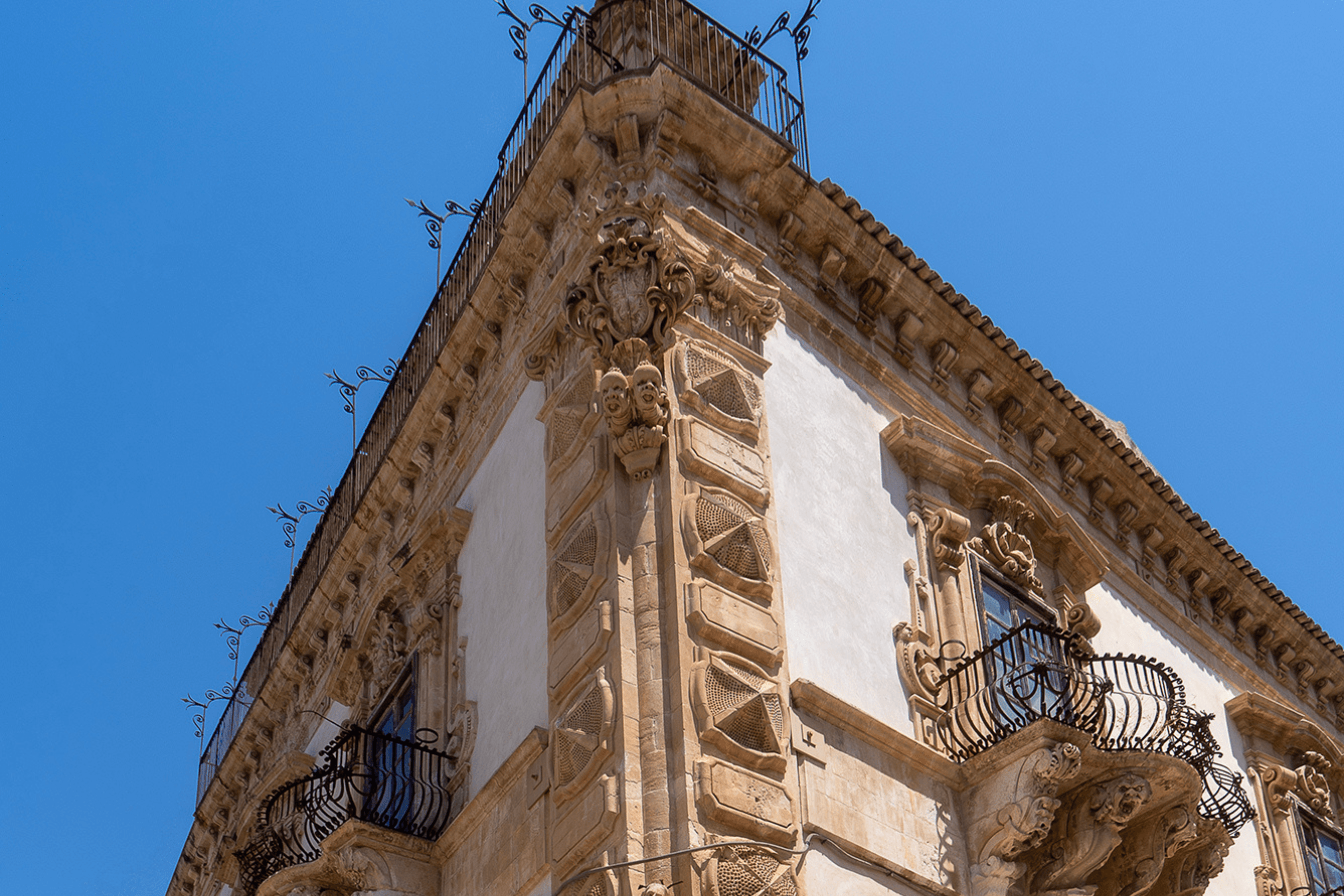
The gallery's Scicli location with its distinct Sicilian Baroque architecture and mascheroni. Image courtesy of Lo Magno artecontemporanea.
Looking more in the present, Lo Magno artecontemporanea plays an active role in the cultural development of its surrounding network, working closely with public institutions, museums, associations, and local communities.
Today, Modica and Scicli are important crossroads for young artists who, through galleries and creative spaces in the region, are establishing themselves in the contemporary art world as innovative voices inspired by Mediterranean culture and tradition.
The area is also nearby to the Academy of Fine Arts in Catania, which ensures ample room for collaborating with the younger artistic voices of Sicily. Painting, in particular, remains deeply rooted in the cultural and historical identity of the region, and many artists continue to base their research on this legacy, reinterpreting it through contemporary perspectives.
From ancient history to the experimental work of contemporary artists today, Lo Magno artecontemporaneo’s galleries are rooted in both this past and its present. Through educational programs, exhibitions, and site-specific projects, the gallery promotes a meaningful and accessible dialogue between contemporary art and society, reinforcing the role of culture as a driver of critical thought and collective identity.
Vela Projects
Cape Town, South Africa
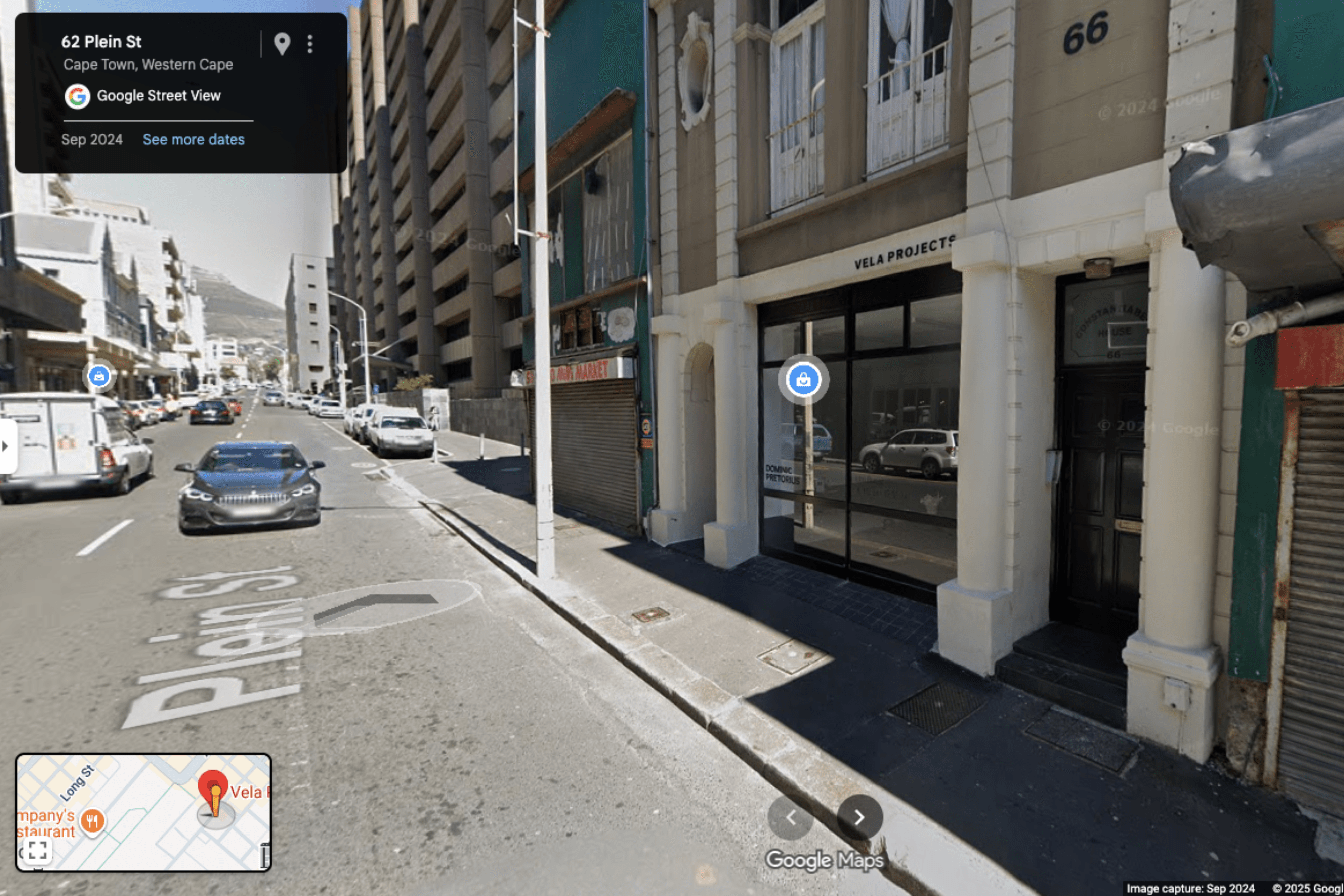
ON THE MAP | Vela Projects sits in the central area of Cape Town, where many cultural institutions and historic landmarks intersect.
Vela Projects is a contemporary art gallery located in a historic 19th-century building on Plein Street, in Cape Town’s city centre. Formerly home to Kamp’s Café, one of the city’s most beloved dining institutions, the building carries a deep connection to South Africa’s cultural history. On 8 May 1897, the gallery’s street address witnessed and hosted the founding meeting of the South African Society of Artists (SASA), later known as the Association for Visual Arts (AVA), marking it as a cornerstone of Cape Town’s artistic heritage.
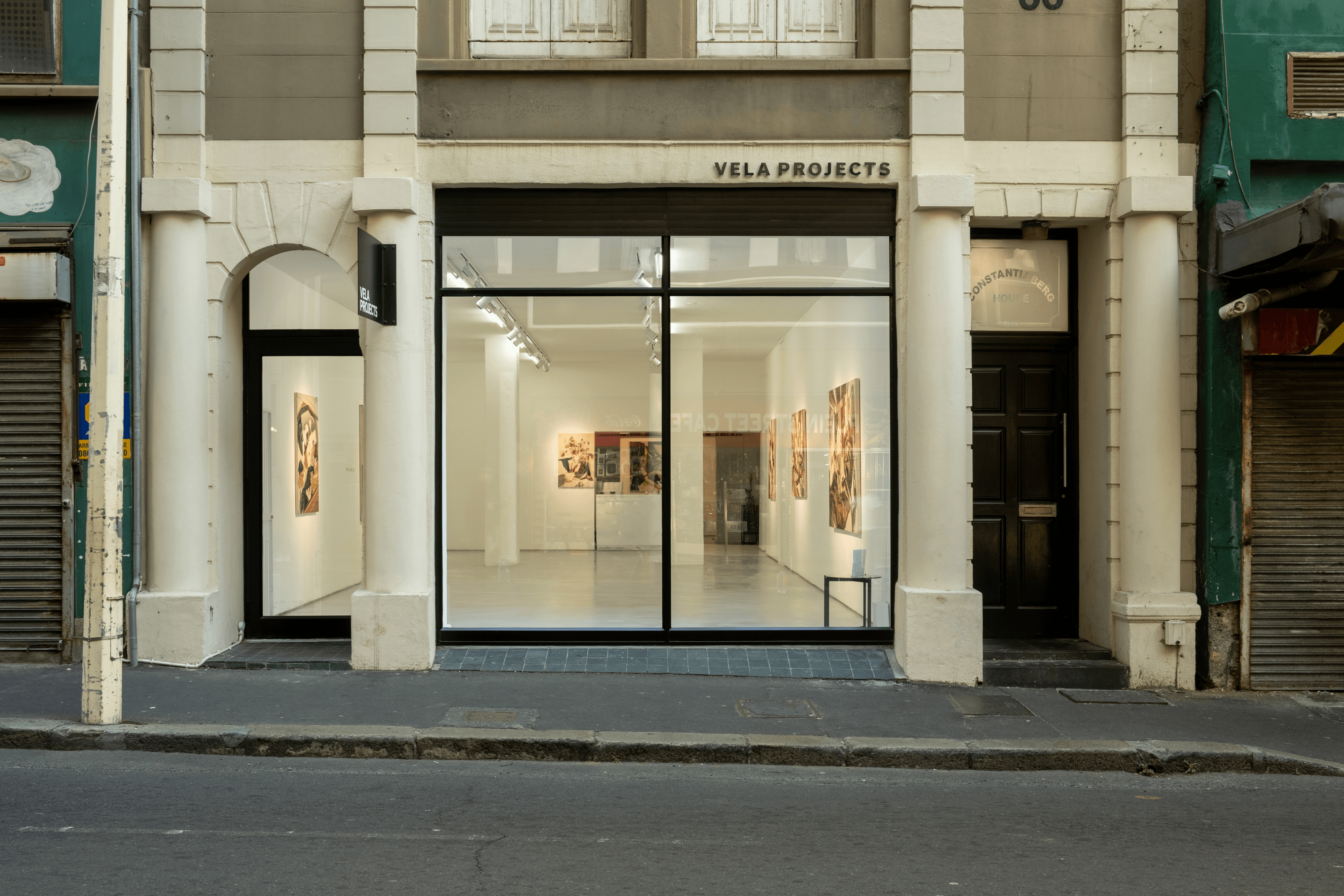
Situated near the Parliament precinct and a short walk from Church Square and the Company’s Garden, the gallery sits within one of Cape Town’s most characterful pockets. Image courtesy of Vela Projects.
Vela Projects is found in this area where heritage architecture, creative studios, and public institutions intersect. The neighbourhood is home to several key cultural landmarks, including the Iziko South African National Gallery (Iziko SANG), A4 Arts Foundation, Spier Arts Trust and the National Library of South Africa.
Since opening its permanent space, the gallery’s programme has exhibited both emerging and mid-career artists that reflect both the breadth and depth of South African creativity, while noting the shifts shaping the international art landscape.
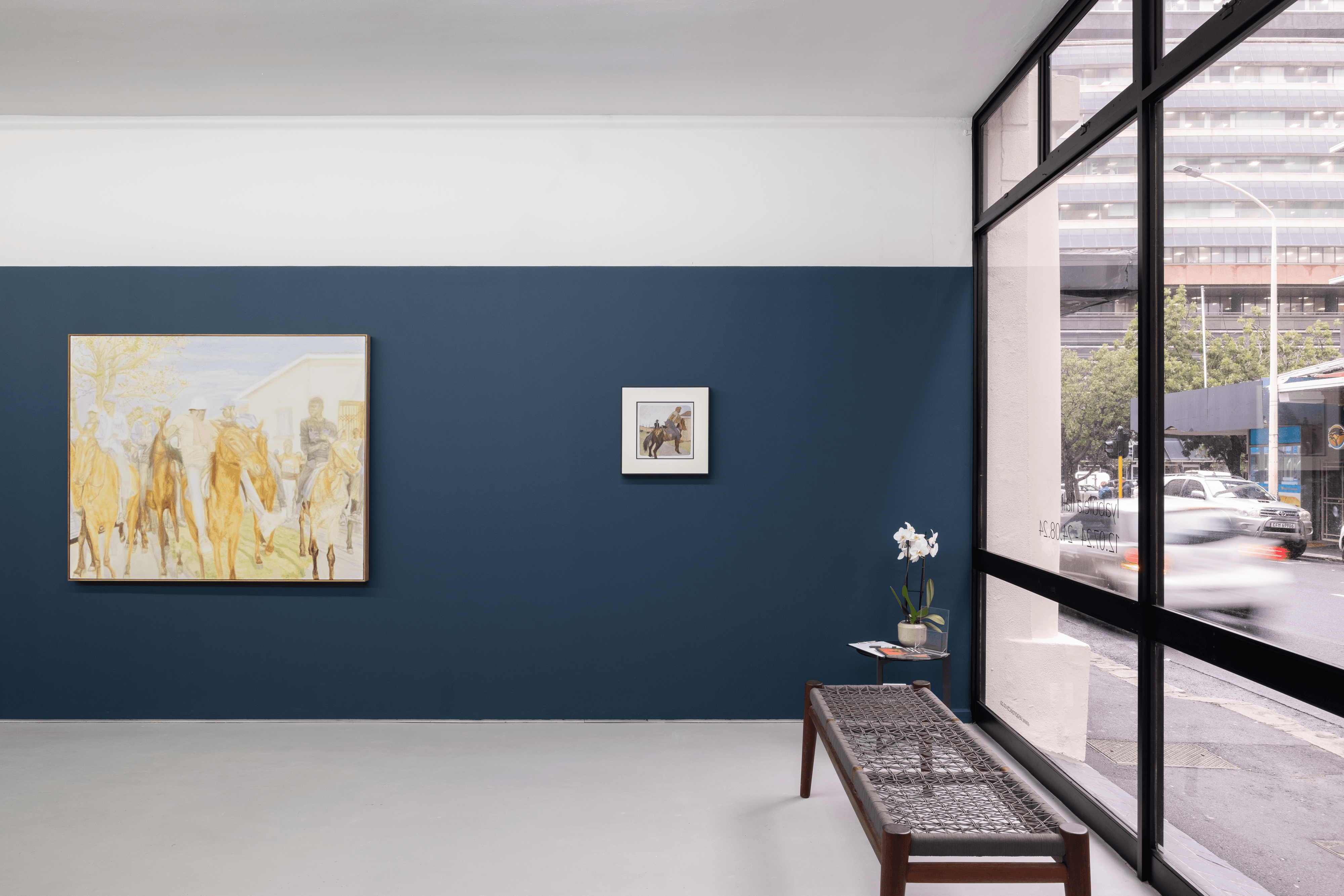
Songezo Zantsi's 2024 solo show, Iyabulela Ilali at Vela Projects. Image courtesy of Vela Projects.
Notable exhibitions include Alexis Schofield’s Our Calves Demand a Wolf (2024), whose distinctly contemporary sensibility intertwines with unexpectedly classical elements of pose, light, and form, reflecting the timelessness of its subject; Songezo Zantsi’s Iyabulela Ilali (2024) captured the vibrancy of Xhosa weddings while extending his practice across heritage and innovation; and Dominic Pretorius’ Urn Burial (2024) offered a meditative exploration of mortality through ceramics.
For its first international video exhibition, the gallery curated Force Majeure, a group show examining the notion of the permacrisis, featuring works by Pipilotti Rist, Minnette Vári, Simnikiwe Buhlungu, Tabita Rezaire and Kristen Lucas.
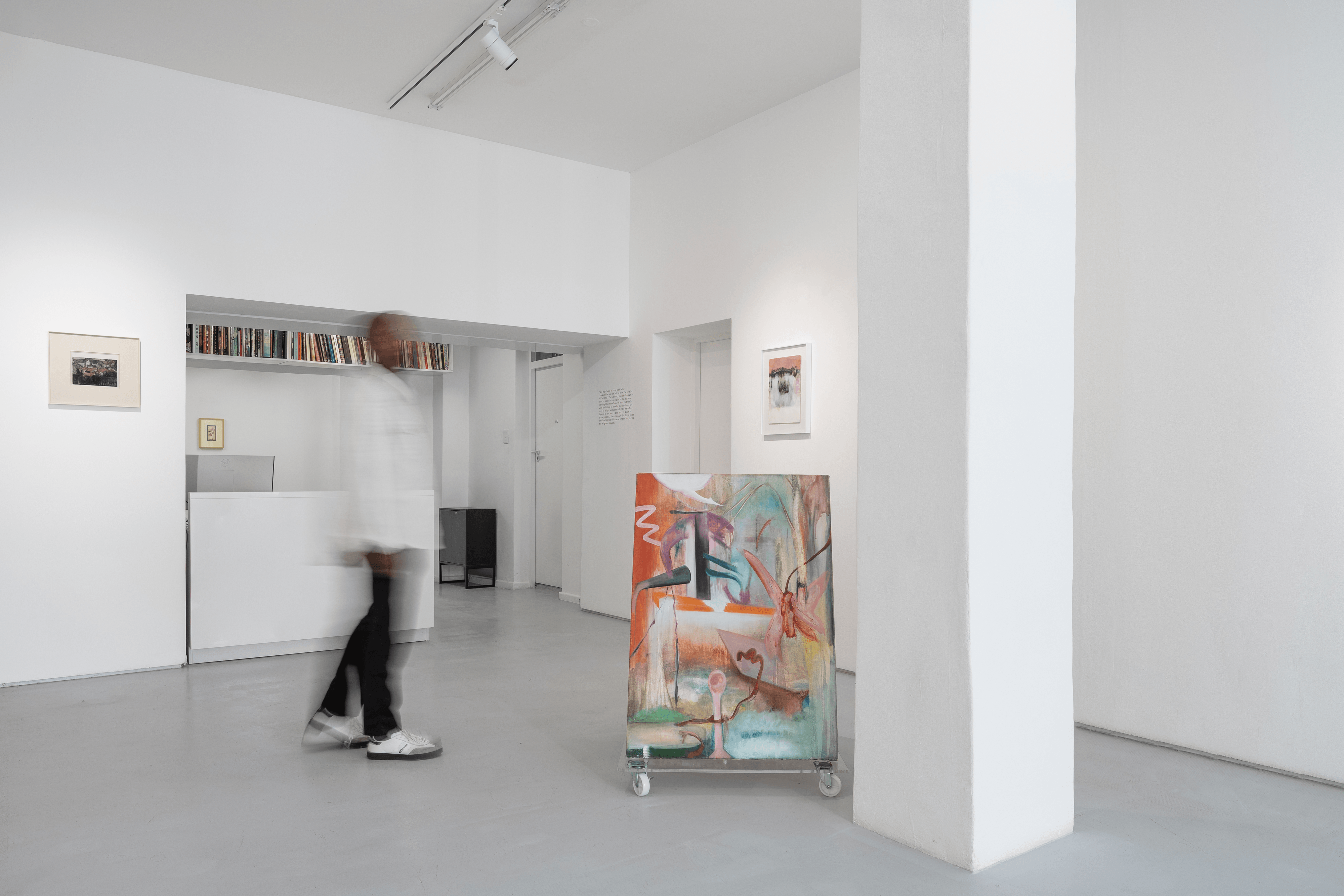
The gallery interior is complimented by a cosy office nook featuring a striking collection of books and texts. Image courtesy of Vela Projects.
The gallery also staged a striking dual retrospective of two prolific 20th century South African artists Peter Clarke (1929 -2014) and Robert Hodgins (1920 – 2010), accompanied by a detailed biographical catalogue and a panel discussion featuring art critic Sean O’Toole, Goodman Gallery curator Neil Dundas, art advisor Phillipa Duncan, and artist Songezo Zantsi. The show placed historical depth at the core of Vela’s programme.
In February 2025, the gallery followed with its second major retrospective, Rainmaker, a celebration of Samson Mnisi’s (1971-2022) interpretation of abstract expressionism in a South African context. This shift, while still a relatively new approach locally, places historical depth at the heart of Vela’s programme, aligning it with broader international gallery practices, where such integration has long been central.
With gratitude to the teams at Gallery Nosco, Southern Guild, Lo Magno artecontemporaneo and Vela Projects, who generously provided supporting information and photographs for this story.